
AI Can Plan Your Vacation in Seconds, but Travelers Warn of Hidden Traps
The Allure of AI-Powered Trip Planning
There is something undeniably attractive about typing a few sentences into a chatbot and watching it organize your entire stay. Instead of researching dozens of destinations, you can ask an AI travel planner to identify places that fit your budget, interests, and travel dates. A couple seeking adventure and luxury might request hiking trails, boutique hotels, and spa treatments. Another might ask for a quiet, culture-focused stay with minimal walking. The technology assembles these preferences into a personalized itinerary, eliminating most of the time-consuming preliminary research.
Latest news
 Expedia Group Acquires Kiwi.com to Expand European Flight Sales
 Atlas Ocean Voyages Lets Guests Choose Hull Color for New Sailing Yacht
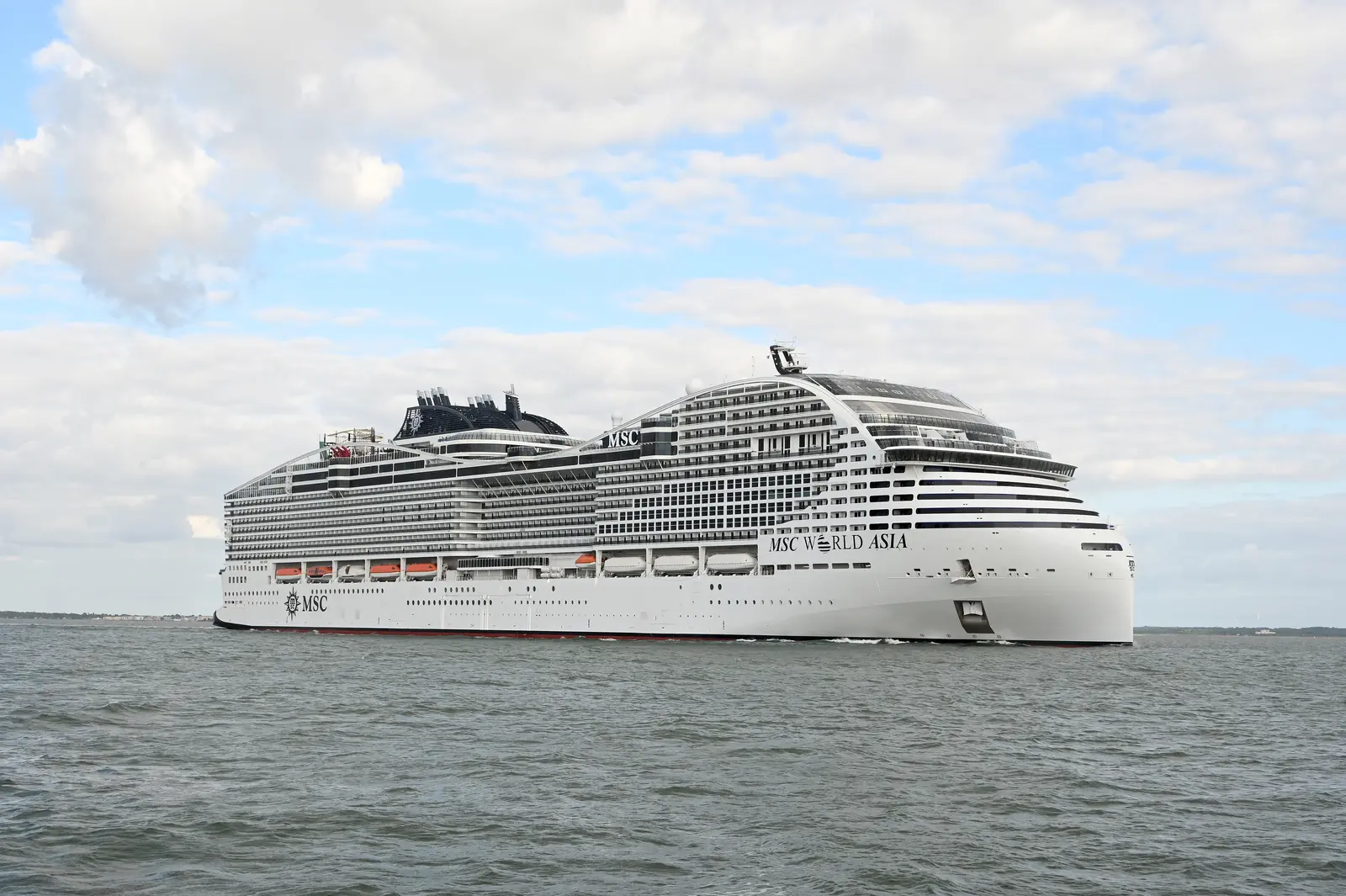 MSC World Asia Sets Sail as One of the World's Largest Cruise Ships
 American Airlines Issues Travel Alert For Miami Airport Amid FAA Ground Stop Advisory
For some travelers, this convenience is not just a marketing promise. In a Reddit discussion about using AI for international trips, one user described using ChatGPT, Claude, and Perplexity to plan trips to six countries. For a four-day stay in Dubai, the user received a useful itinerary in about two minutes. One suggestion, a dinner cruise on a dhow boat, became a highlight of the actual vacation. The same user noted that AI budget estimates fell within a 10-15% margin of error compared to actual spending. This experience illustrates why AI is appealing to those who want a well-organized vacation without spending an entire weekend on research. It also shows that artificial intelligence can provide genuinely useful recommendations, provided travelers understand its limits.
The First Problem: AI Does Not Always Know What Is Open
Imagine spending an entire afternoon planning around a museum, castle, or scenic attraction, only to arrive and find it closed. This is frustrating even when you planned it yourself, but it is especially irritating when the recommendation comes from a system that presents the information with apparent confidence. Attraction opening hours can vary by season, day of the week, holidays, weather, and special events. Even attractions that operate year-round may close specific facilities or limit access in certain months. The Reddit traveler who described planning trips to six countries estimated that AI provided incorrect opening hours in about 20% of cases, based on their experience. This is not a scientifically stable error rate, but it is a useful reminder that even someone who found AI planning extremely useful considered independent verification essential.
When AI Plans a Two-Week Vacation That Demands Three Weeks of Energy
The problem is especially significant for visitors to smaller museums, family-run attractions, seasonal adventure businesses, and destinations where schedules change frequently. A waterfall might be accessible year-round, while the associated cable car operates only seasonally. AI can correctly identify these places as worth visiting, without accurately representing the experience available on your specific travel dates. The safest approach is to verify opening hours, seasonal closures, and ticket requirements directly with the attraction before making it a core part of your itinerary.
One of the most amusing complaints about AI-generated itineraries is that they sometimes seem designed for travelers who do not get tired, do not get hungry, do not get lost, and do not run late. An itinerary might schedule back-to-back activities with no buffer time for rest or meals. This creates a pace that is physically unsustainable for most real-world travelers. The AI does not account for human limitations like fatigue or the need for breaks. Travelers must often manually adjust these schedules to add rest periods and flexible time.