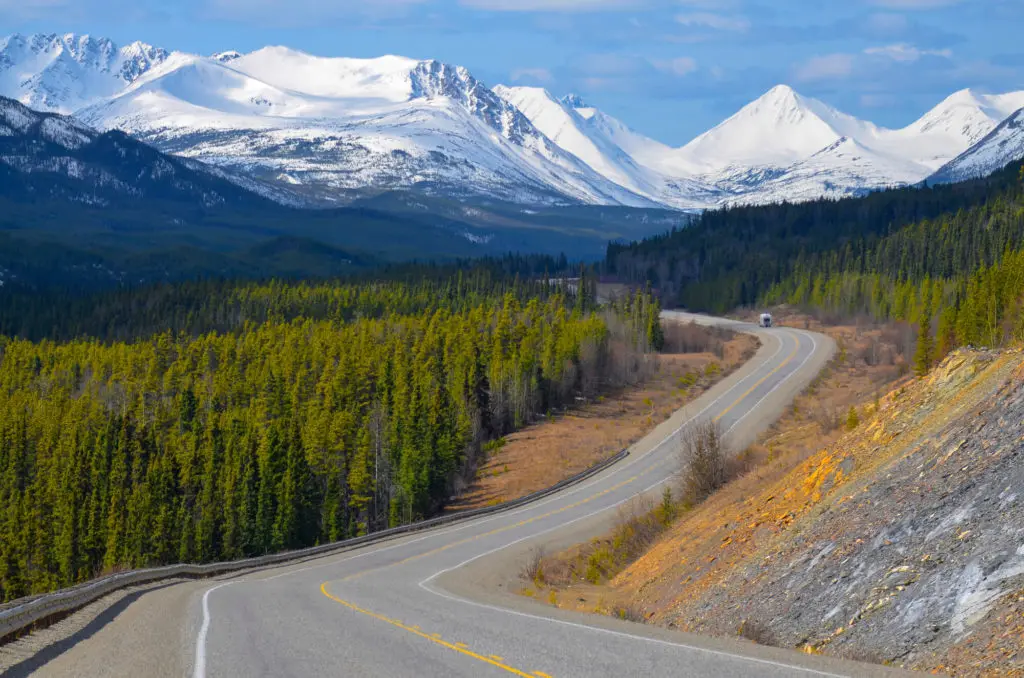
Alaska Adventures: 19 Must‑Do Experiences for 2026 Travelers
Chasing Glaciers: From Icefields to Ice‑Climbing
Alaska’s rugged frontier draws explorers with its towering peaks, sprawling glaciers, vibrant native cultures, and abundant wildlife. From June through September, visitors can trek icy fjords, witness the northern lights, and sample fresh seafood in historic towns. Whether you crave adrenaline or quiet contemplation, the state offers a menu of unforgettable activities.
Latest news
 Air Travel Chaos: How TPG’s Experts Steer Travelers Through Flight Disruptions
 Aer Lingus Upgrades Long-Haul Fleet with Luxury Cabins
 Frequent Flyer Programs Face Turbulence Over Tax Disputes
 Abu Dhabi Maintains High Formula 1 Hotel Pricing Amid Regional Shifts
The state’s sheer size means each region feels distinct. In the south, the Inside Passage provides calm waters for kayaking among sea otters, while the interior’s Denali National Park showcases North America’s highest summit. Coastal communities preserve centuries‑old traditions, and remote villages let travelers meet the descendants of Inuit and Tlingit peoples. Seasonal daylight, ranging from endless summer sun to winter’s aurora‑lit nights, shapes every adventure, making timing essential for a full Alaskan experience.
Glaciers dominate Alaska’s landscape, and modern tours let visitors get up close without sacrificing safety. Guided hikes on the Matanuska Glacier combine sturdy crampons with expert instruction, allowing novices to feel the crunch of ancient ice beneath their boots. For seasoned climbers, the challenging ascent of the Root Glacier in Wrangell‑St. Elias offers vertical ice walls that test skill and endurance. Local operators emphasize environmental stewardship, using low‑impact routes and educating tourists on the effects of climate change on these frozen giants. „Our glaciers are receding faster than any generation has seen,” says park ranger Lena Koot, „so experiencing them now is both a privilege and a responsibility.”
Should You Visit Alaska in Summer or Winter?
Summer brings long days, blooming wildflowers, and accessible roadways, ideal for wildlife spotting in places like Katmai National Park, where brown bears fish for salmon. Winter, however, transforms the terrain into a snow‑covered wonderland perfect for dog‑sledding, aurora viewing, and ice‑fishing. The choice hinges on personal priorities: daylight lovers may favor the midnight sun, while those seeking the mystical green curtains of the aurora borealis should plan for October through March. Regardless of season, booking accommodations early is crucial, as lodges fill quickly during peak months.
Alaska’s allure lies in its ability to surprise. As more travelers seek sustainable, off‑the‑beaten‑path experiences, the state’s tourism infrastructure is expanding responsibly, balancing visitor demand with preservation. Expect new eco‑lodges, community‑run tours, and increased emphasis on Indigenous storytelling to enrich future trips.
Frequently Asked Questions
What is the best time to see wildlife in Alaska? Late June to early August offers the highest concentration of bears, moose, and caribou, as animals gather near rivers for spawning salmon.
Do I need a special permit to hike Denali’s summit? Yes, a summit permit is required and must be secured months in advance through the National Park Service, with quotas limiting daily climbers.
Can I travel between major Alaskan towns by road year‑round? Most major routes, like the Alaska Highway, remain open year‑round, but winter storms can cause temporary closures; checking road conditions before departure is advised.