Exploring Brownsberg: Access, Activities, and a Sample Itinerary
Hiking the Plateau: Trails and Views
Brownsberg Nature Park lies about three hours south of Suriname’s capital, Paramaribo, perched on a forested plateau that overlooks the expansive Brokopondo Reservoir. The park attracts hikers, birdwatchers, and adventure seekers looking for tropical wilderness and panoramic views.
Latest news
 Laguna Beach Unveils 25 Must‑Try Experiences for Visitors and Locals Alike
 Oman Proves Ideal For Independent Road Trips
 Five Unique Ways to Explore Paris with Tauck Travel Experiences
 Santa Ana Travel Guide: 10 Best Things to Do & 4-Day Itinerary
The park’s road entrance is reachable via a paved highway that winds through low‑lying villages before climbing to the plateau. Visitors often start early to avoid afternoon heat, and many choose to stay overnight in eco‑lodges that blend into the surrounding rainforest. The reserve protects diverse flora and fauna, making it a key site for conservation and ecotourism in the region.
Marked trails snake across the ridge, offering varying difficulty levels. The most popular route, a four‑kilometer loop, leads to the summit’s iconic lookout, where the reservoir stretches like a silver mirror. Park rangers report that the trail sees over 5,000 hikers each year, drawn by the chance to spot toucans, howler monkeys, and rare orchids. „The air here feels cleaner than anywhere else in the country,” said a local guide who has led tours for a decade.
What Activities Can Visitors Enjoy Beyond Hiking?
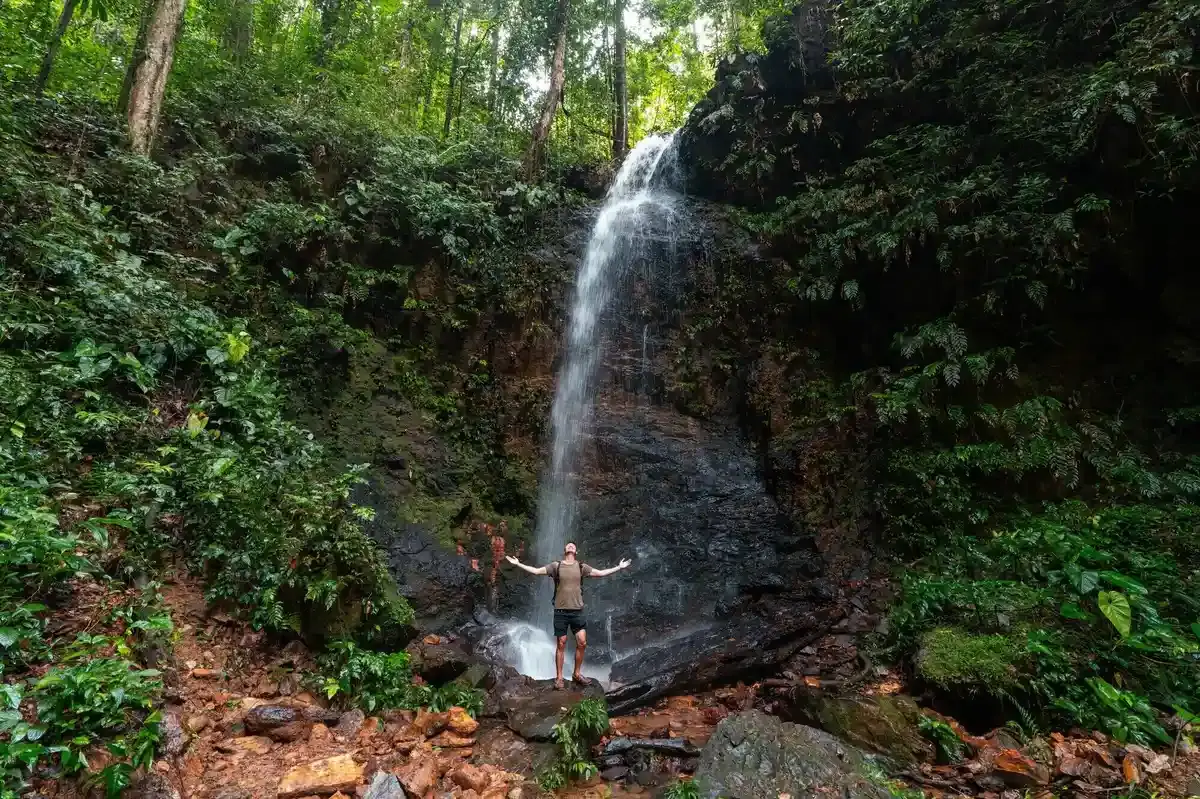
Waterfall enthusiasts can detour to the nearby Cascades of the Lawa River, a short side trek that ends at a series of natural pools. The falls provide a refreshing dip after a demanding ascent, and their mist creates a micro‑climate that nurtures moss‑covered stone formations. Seasonal variations affect water flow, with the rainy season delivering the most dramatic cascades.
Beyond trekking, Brownsberg offers guided night walks that reveal nocturnal wildlife rarely seen in daylight. Birdwatchers can join early‑morning excursions to capture the calls of the scarlet ibis and the elusive white‑bellied antbird. For the adventurous, zip‑line courses have been installed across the canopy, granting a bird’s‑eye perspective of the forest. Local communities benefit from these ventures, as tour operators employ residents and sell handcrafted souvenirs.
The park also supports scientific research, with universities conducting biodiversity assessments and climate studies. These efforts help inform management plans aimed at preserving the area’s ecological integrity while accommodating growing tourism demand.
Looking ahead, Brownsberg is poised to become a flagship destination for sustainable travel in South America. Investment in low‑impact infrastructure and community‑based programs promises to enhance visitor experiences without compromising the park’s natural assets. Continued collaboration between authorities, NGOs, and local stakeholders will be essential to balance ecological preservation with economic growth.
Frequently Asked Questions
How do I reach Brownsberg from Paramaribo? Take the main highway south toward Brokopondo, then follow signs to the park entrance. The drive takes roughly three hours, with scenic stops along the way.
What is the best time of year to visit? The dry season, from May to September, offers clearer trails and lower humidity, while the rainy season provides fuller waterfalls and richer bird activity.
Are there accommodations inside the park? Yes, several eco‑lodges and basic cabins operate near the summit, offering modest amenities and guided tour options for guests.
Content written by Sophie Chen for travel-good.com editorial team, AI-assisted.