Italy’s WeRoad Enters Korea Via NOL Partnership
Leveraging Local Digital Infrastructure
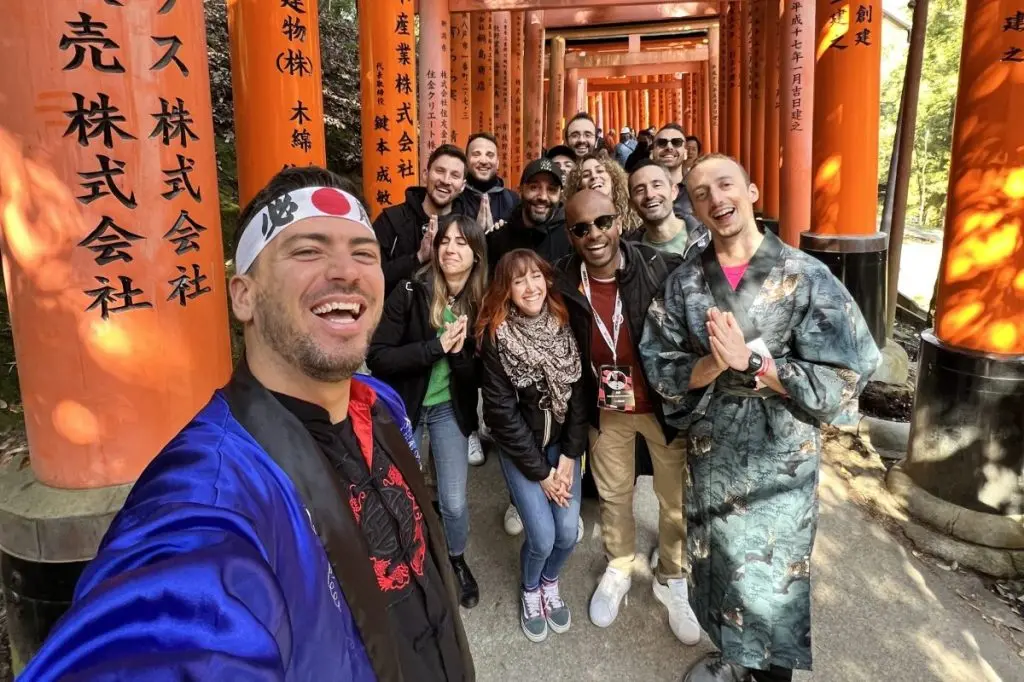
Italian adventure travel firm WeRoad is launching in South Korea without selling direct bookings. The company partners with NOL Universe, a local travel superapp. This move targets younger travelers in the region. WeRoad aims to expand beyond Europe and English-speaking markets. The strategy relies on NOL to handle customer acquisition.
Latest news
 Expedia Group Acquires Kiwi.com to Expand European Flight Sales
 Atlas Ocean Voyages Lets Guests Choose Hull Color for New Sailing Yacht
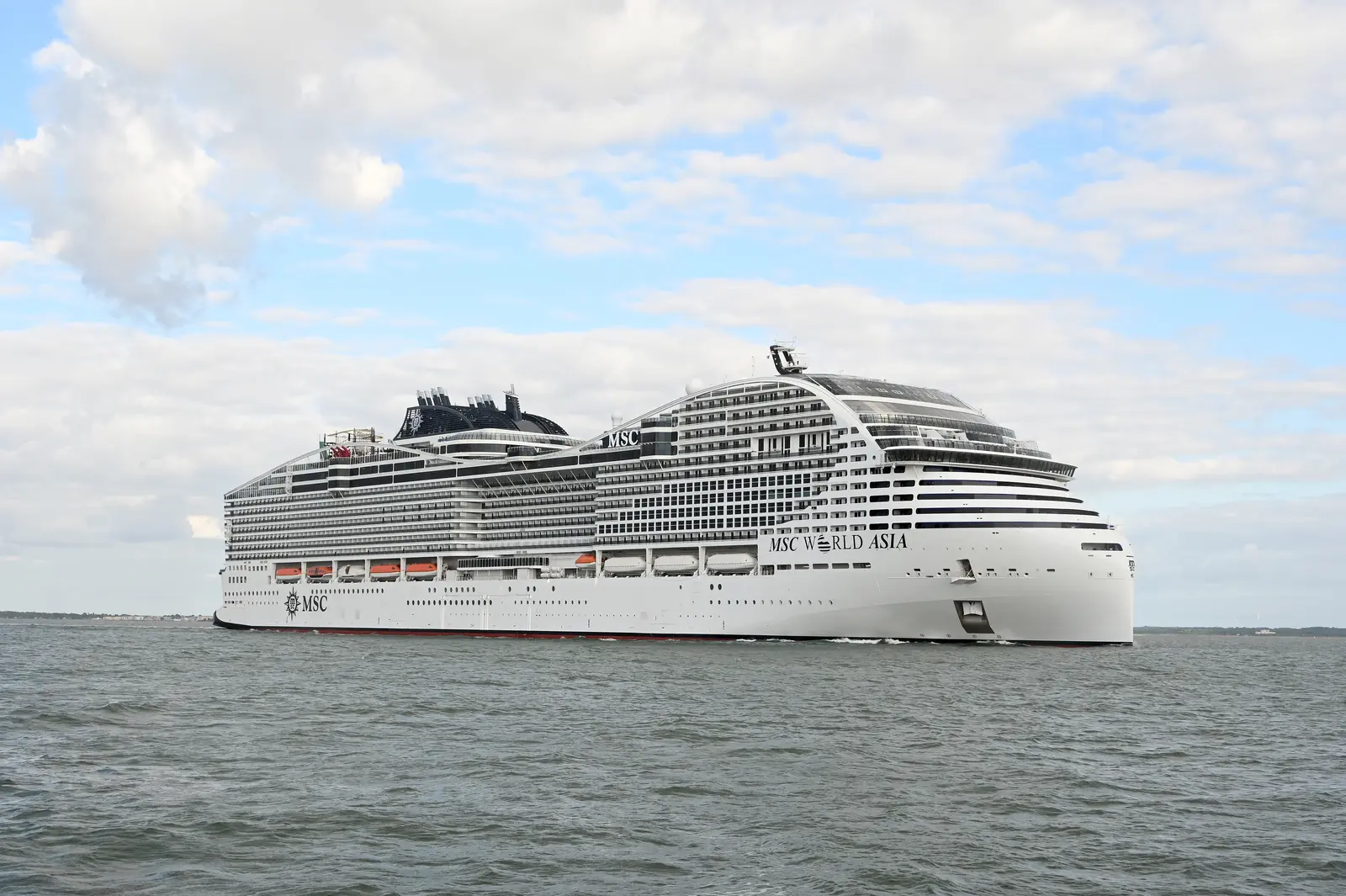 MSC World Asia Sets Sail as One of the World's Largest Cruise Ships
 American Airlines Issues Travel Alert For Miami Airport Amid FAA Ground Stop Advisory
WeRoad avoids the high cost of direct marketing in a new market. Instead, it leverages NOL’s existing user base. The partnership allows WeRoad to offer curated group travel experiences. NOL acts as the primary point of contact for Korean customers. This model shifts the traditional agency relationship. WeRoad provides the product, while NOL owns the customer relationship.
The collaboration highlights a shift in global travel distribution. International brands are increasingly using local digital platforms for entry. NOL Universe serves as a comprehensive travel and leisure hub in Korea. It aggregates flights, hotels, and activities. WeRoad integrates its adventure packages into this ecosystem. This approach reduces friction for local users. They do not need to create new accounts or learn new interfaces. The integration streamlines the booking process. WeRoad gains visibility without heavy advertising spend. NOL gains exclusive content to attract its user base. Both parties benefit from shared resources. The model emphasizes efficiency over direct control. WeRoad focuses on operational excellence in travel delivery. NOL focuses on user engagement and retention. This division of labor optimizes the value chain.
Can Platform Partnerships Replace Direct Sales?
The strategy addresses specific challenges in the Korean market. Younger travelers prefer digital-first experiences. They value convenience and local relevance. Global brands often struggle to connect with these demographics. Partnering with a trusted local superapp solves this issue. WeRoad’s brand reputation for social travel remains intact. However, the customer interface is fully localized. This ensures cultural and linguistic alignment. The partnership also mitigates regulatory risks. NOL navigates local compliance requirements. WeRoad avoids the burden of legal setup. This allows for a faster market entry timeline. The model could serve as a template for other international brands. It demonstrates the power of platform partnerships. Direct-to-consumer models face rising acquisition costs. Platform partnerships offer a scalable alternative. WeRoad can test the Korean market with lower financial risk. If successful, the model may expand to other regions.
The success of this model depends on user adoption. Korean travelers must trust NOL for adventure travel. NOL must effectively promote WeRoad’s unique offerings. Competition in the travel sector remains intense. Local operators also target the same demographic. WeRoad’s differentiation lies in its curated group experiences. These trips emphasize social connection and unique destinations. NOL’s algorithm must highlight these features effectively. The partnership tests the limits of indirect distribution. It challenges the notion that brands must own their customers. In the digital age, access can be more valuable than ownership. WeRoad retains operational control over the travel experience. NOL retains control over the customer journey and data. This separation creates a new dynamic in the industry. Future partnerships may follow this blueprint. Brands seek efficient growth without massive overhead. Platforms seek diverse inventory to retain users. The alignment of interests drives this innovation.
Frequently Asked Questions
WeRoad’s entry into Korea signals a broader industry trend. Global travel companies are adapting to local digital ecosystems. The partnership prioritizes speed and efficiency. It reduces the barriers to international expansion. The outcome will depend on market reception. If travelers embrace the offering, the model proves viable. This could reshape how travel brands enter new territories. The focus shifts from direct sales to strategic alliances. WeRoad’s approach offers a lesson in agile market entry. It balances brand integrity with local relevance. The long-term impact remains to be seen. However, the initial strategy shows clear logical merit.
How does WeRoad handle customer relationships in Korea? WeRoad does not own the customer relationship directly. NOL Universe serves as the primary interface for bookings and support. WeRoad focuses on delivering the travel experience itself.
Why did WeRoad choose a partnership over direct sales? Direct marketing in a new market is expensive and slow. Partnering with NOL provides immediate access to a large, relevant user base. This reduces financial risk and accelerates market entry.