Nine Hard‑Earned Tips for Visiting America’s National Parks
Timing Is Everything, Even in Remote Areas
Nicole Hansen, a veteran travel writer, published a guide on July 25, 2026 detailing nine practical lessons she gathered after trekking through fifteen U. S. national parks, from the deserts of Utah to the forests of the Pacific Northwest. Her experience underscores how real‑world mistakes can teach visitors smarter, safer park habits.
Latest news
 Santa Ana Travel Guide: 10 Best Things to Do & 4-Day Itinerary
 Glorious American Getaways That Seem Like Far‑Off Lands
 Best Credit Cards for Rental Car Elite Status
 Where to Eat, Stay, and Play in Medellín, Colombia's Eternally Cool City
Hansen’s observations stem from years of solo and group trips that exposed common pitfalls—late arrivals, insufficient water, and ignoring seasonal closures. By cataloguing each error, she offers readers a roadmap to avoid the same setbacks, emphasizing preparation, respect for ecosystems, and flexibility in the face of unpredictable weather.
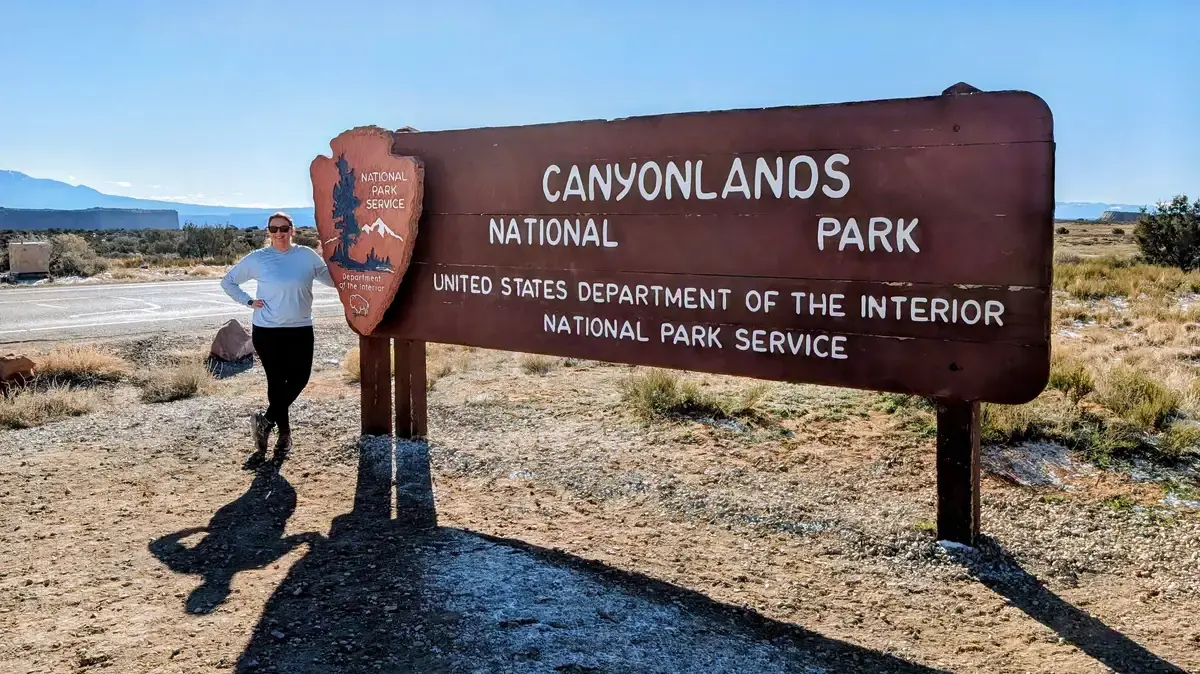
Arriving before sunrise often means cooler temperatures, fewer crowds, and better wildlife sightings. In Canyonlands, early hikers reported spotting elusive bighorn sheep that vanish by mid‑morning. Conversely, late arrivals can lead to parking shortages and missed shuttle services, especially in popular summer months. Hansen advises checking park calendars and setting alarms to beat the rush, noting that a 30‑minute head start can transform a cramped day into a tranquil experience.
Can One‑Day Trips Really Work in Vast Parks?
Many visitors assume a single day suffices for iconic sites, yet the sheer size of parks like Yellowstone or Grand Canyon makes this unrealistic. Hansen recounts a trip where a planned sunrise hike turned into a missed sunset because travel times were underestimated. She recommends mapping realistic distances, using park shuttles, and prioritizing a few key attractions rather than attempting to see everything. A focused itinerary often yields deeper engagement than a rushed checklist.
The broader impact of these tips is a more sustainable visitor flow and reduced strain on park resources. As more travelers adopt Hansen’s strategies, congestion may ease, wildlife disturbances could decline, and the overall park experience will improve. Looking ahead, park officials hope that informed visitors will champion conservation efforts, ensuring these natural treasures endure for future generations.
Frequently Asked Questions
What is the most essential item to bring? A reliable water source—whether a refillable bottle or hydration pack—prevents dehydration and reduces reliance on single‑use plastics.
How can I respect wildlife while photographing them? Maintain a safe distance, avoid feeding animals, and use zoom lenses instead of approaching. This protects both the animal’s behavior and your safety.
Are park permits required for all activities? Backcountry camping, certain trailhead hikes, and special tours often need permits. Check each park’s website ahead of time to secure reservations and avoid denial at the gate.
Content written by Amelia Stone for travel-good.com editorial team, AI-assisted.