Tips for Staying Safe While Hiking in Extreme Heat
The Importance of Hydration and Timing
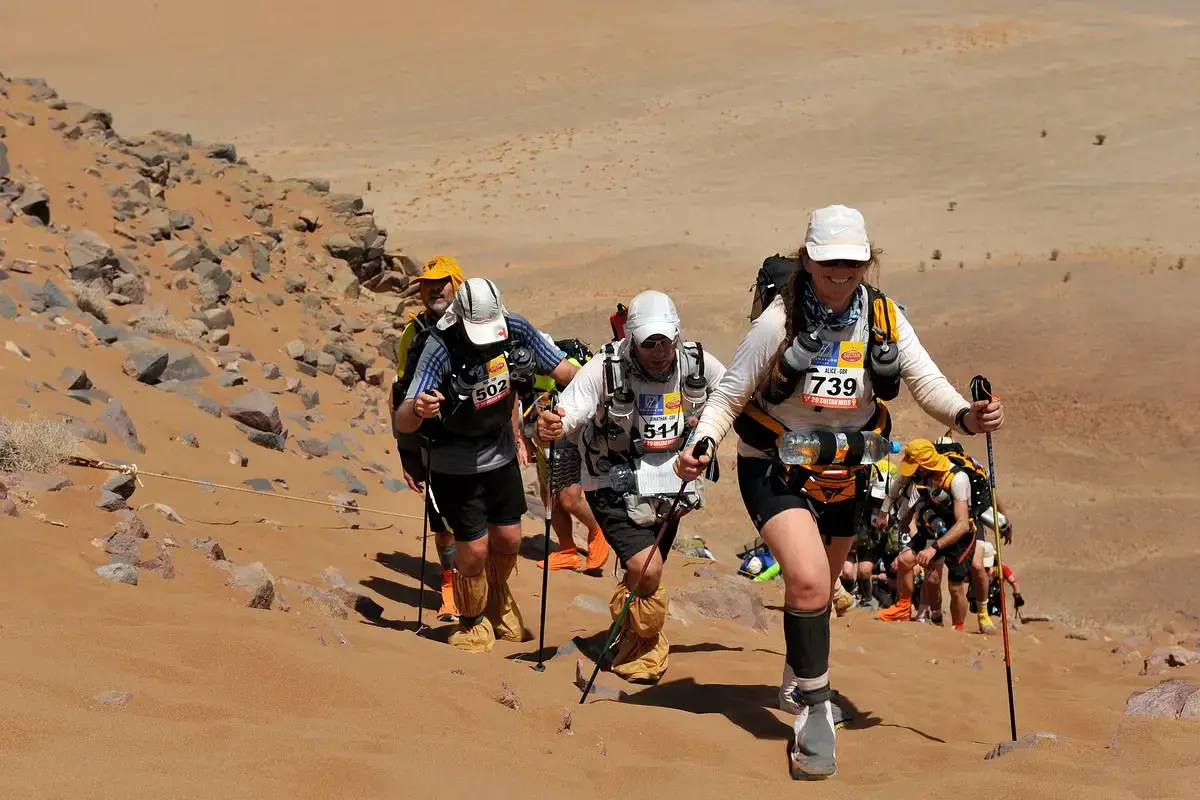
Alice Morrison, a seasoned hiker living in Morocco's High Atlas mountains, shares her insights on hiking safely in extreme heat. Having tackled the grueling Marathon des Sables, she understands the risks posed by high temperatures in outdoor environments.
Latest news
 Exploring the Untamed Beauty of Northern Louisiana
 Beyond the Capital: British Tourism Chiefs Target Indian Visitors
 19 Unique Things to Do in Cape May, NJ
 A Local Says to Visit These 29 Farms in Puerto Rico
Hiking in extreme heat can be perilous. The sun's intensity can lead to dehydration, heat exhaustion, and heat stroke. Morrison emphasizes the importance of preparation and awareness when venturing into hot climates. She recommends starting hikes early in the morning to avoid the midday heat. Carrying plenty of water is crucial, as is knowing the signs of heat-related illnesses.
Morrison stresses that hydration is vital for a safe hiking experience. She advises hikers to drink water regularly, even if they don't feel thirsty. Dehydration can sneak up on you, especially in hot conditions. Additionally, she suggests wearing light, breathable clothing to help regulate body temperature. Choosing the right gear can make a significant difference in comfort and safety.
Are You Prepared for the Heat?
The timing of a hike can also impact safety. Early mornings are cooler, making them an ideal time to hit the trails. Morrison notes that planning routes with shade and rest areas can help hikers manage their energy levels. Being aware of the forecast and adjusting plans accordingly is key to enjoying the outdoors safely.
Preparation is essential for hiking in extreme heat. Morrison recommends researching trails and understanding their difficulty levels. Knowing what to expect can help hikers prepare mentally and physically. She also highlights the importance of hiking with a buddy. Having someone to share the experience with can provide support and motivation.
Morrison's experiences have taught her that even seasoned hikers can face challenges in extreme conditions. She encourages everyone to listen to their bodies and take breaks when needed. Ignoring signs of fatigue can lead to dangerous situations.
Frequently Asked Questions
In conclusion, hiking in extreme heat requires careful planning and awareness. By staying hydrated, choosing the right time to hike, and being prepared, outdoor enthusiasts can enjoy their adventures while minimizing risks. Morrison's insights serve as a valuable reminder of the importance of safety in the great outdoors.
What should I wear when hiking in extreme heat? Opt for lightweight, breathable clothing that allows sweat to evaporate. A wide-brimmed hat and sunglasses can also protect you from the sun.
How much water should I bring on a hike? Aim to drink at least half a liter of water per hour, adjusting based on the heat and your level of exertion. Always carry extra water when possible.
Content written by Marco Ricci for travel-good.com editorial team, AI-assisted.