Travel Experiences That Are Better in Theory Than in Practice
A photo of a desert glamping site, for instance, hides the nighttime chill
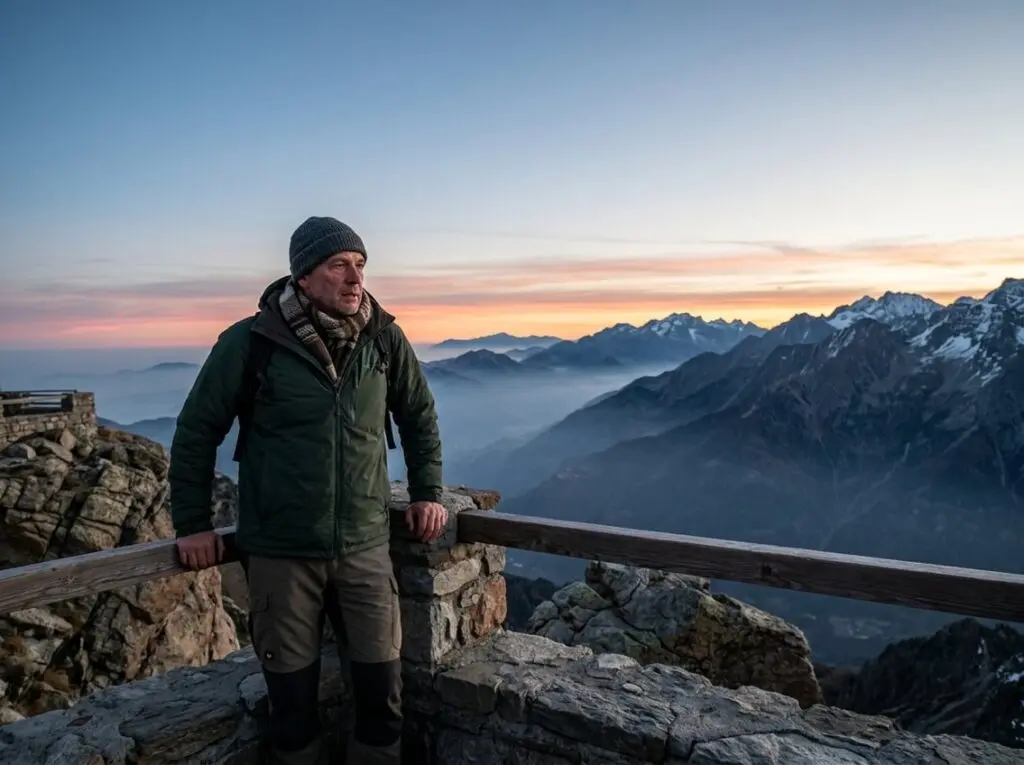
Many travelers begin planning trips inspired by idealized images seen online, only to find the reality falls short of the glossy photos and promises. The gap between expectation and experience is especially wide for certain popular adventures that look effortless from a distance but prove challenging in person. Social media fuels this disconnect, showcasing sunrise views over mountain ranges, cozy sleeper train cabins, and glamping sites adorned with fairy lights as effortlessly attainable. These curated posts often omit the early wake-up calls, mechanical delays, or uncomfortable conditions that accompany such journeys. As a result, travelers arrive exhausted, cold, or frustrated, questioning why the dream felt so much more appealing on their phone screens. Why the Glow of Adventure Fades at Ground Level The appeal of these trips lies in their visual simplicity—a single striking image can spark wanderlust without revealing the logistical hurdles.
Latest news
 Five Unique Ways to Explore Paris with Tauck Travel Experiences
 Santa Ana Travel Guide: 10 Best Things to Do & 4-Day Itinerary
 Glorious American Getaways That Seem Like Far‑Off Lands
 Best Credit Cards for Rental Car Elite Status
A photo of a desert glamping site, for instance, hides the nighttime chill, limited facilities, or long drives required to reach it. Similarly, a sunrise shot from a mountain peak rarely shows the hours of hiking in darkness or the crowds waiting at the summit. Travelers often underestimate physical demands, weather variability, and the time spent in transit or queues, leading to disappointment when comfort and convenience don’t match the fantasy. Is the Journey Really Worth the Expectation? This mismatch raises questions about how we choose and anticipate travel. Are we chasing experiences, or merely the proof of having had them? Experts suggest that managing expectations—researching beyond the highlight reel, reading recent reviews, and preparing for discomfort—can help bridge the gap. Some travelers now seek „anti-instagram” trips, valuing authenticity over aesthetics, while others embrace the mishaps as part of the story.
The trend reflects a growing awareness that meaningful travel isn’t always picturesque, but it’s often more memorable when it’s real. Frequently Asked Questions Why do travel photos often misrepresent the actual experience? Images are typically selected for visual impact, showing ideal lighting, angles, and moments while omitting challenges like weather, crowds, or logistical difficulties that are part of the real journey. How can travelers avoid disappointment when a trip doesn’t match expectations? Researching recent traveler reviews, checking weather patterns, and preparing for basic discomforts can help set realistic expectations and reduce the chance of unpleasant surprises. Is it still valuable to take a trip even if it doesn’t look like the photos? Yes—many travelers find that the unplanned moments, interactions with locals, or overcoming small challenges become the most meaningful parts of a trip, even if they aren’t photogenic.
Content written by Mike Kaplan for travel-good.com editorial team, AI-assisted.