Traveling Light: A Photographer’s Guide to Carrying Camera Gear on Flights
Streamlined Packing for Extreme Environments
A veteran photographer who has been flying with his equipment since 2010 shares his routine. He now travels with a Canon EOS R5, a spare body, and a bag of L‑glass lenses. His gear has seen Ugandan safaris, Icelandic winters, and countless budget European hops.
Latest news
 Living and Learning Across Sixty Global Destinations
 Exploring South Korea Beyond the Capital
 Laguna Beach Unveils 25 Must‑Try Experiences for Visitors and Locals Alike
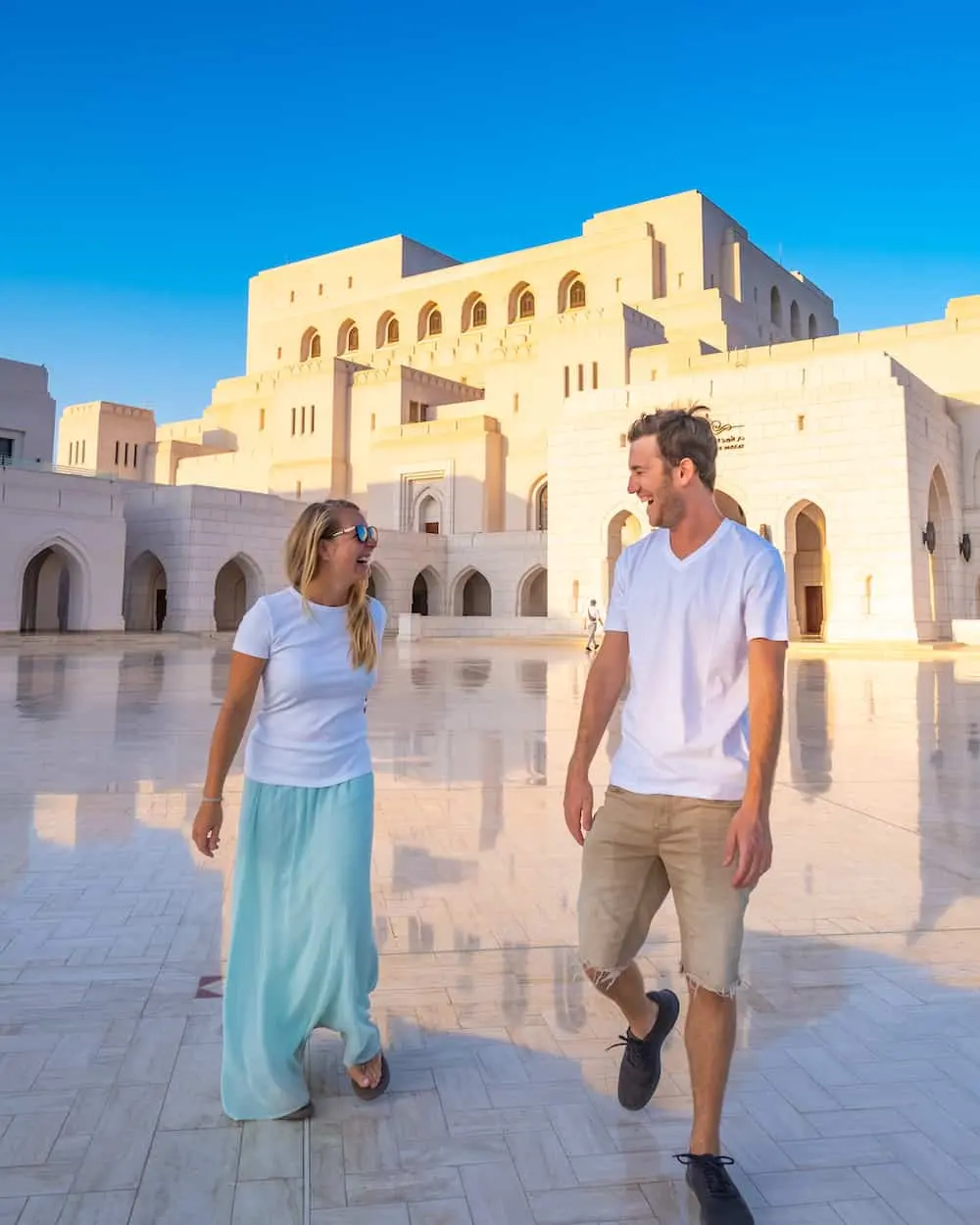 Oman Proves Ideal For Independent Road Trips
He explains why careful packing, airline communication, and insurance are essential. The photographer stresses that a well‑organized bag reduces damage risk and speeds security checks. He also notes that airlines often treat camera equipment as regular baggage, but special handling can be requested. His experience shows that planning ahead saves both time and money, especially on short‑haul flights where luggage limits are tighter.
The photographer uses a padded camera bag that fits under the seat, allowing quick access. Inside, the primary R5 sits in a custom foam cutout, while the backup body rests in a side compartment. L‑glass lenses are wrapped in microfiber and secured with elastic straps. He adds a portable battery charger and a compact tripod that folds into a slim profile. By keeping the kit under the airline’s weight limit, he avoids excess‑fee charges.
How Do Airlines Treat High‑Value Camera Equipment?
He also carries a small travel insurance card that lists the gear’s serial numbers. This document speeds claims if any item is lost or damaged. In remote locations like Uganda, he packs spare batteries and memory cards, knowing that power sources can be scarce. For Iceland’s cold climate, he includes lens heaters and a weather‑sealed rain cover. The photographer emphasizes that each item has a purpose; unnecessary accessories only add weight and risk.
Airlines typically classify camera gear as personal items, but policies vary. Some carriers allow a free personal item plus a carry‑on, which can accommodate a well‑packed camera bag. Others may require the gear to be checked, especially if it exceeds size limits. In those cases, the photographer recommends declaring the equipment at check‑in and requesting a fragile‑item tag.
He notes that many airlines have no specific „camera” policy, so travelers must rely on general baggage rules. Purchasing a hard‑shell case can provide extra protection if the gear must be checked. Additionally, using a TSA‑approved lock can deter tampering while still allowing inspection. The photographer advises contacting the airline ahead of travel to confirm any special handling options, especially for long‑haul or international flights.
By following these practices, photographers can safeguard their tools and focus on capturing images. As travel resumes post‑pandemic, more creators will face similar challenges. Ongoing dialogue between airlines and the photography community may lead to clearer guidelines and dedicated equipment handling.
Frequently Asked Questions
What is the best way to protect lenses during a flight? Wrap each lens in a microfiber sleeve, secure it with an elastic strap, and place it in a padded compartment inside the camera bag.
Can I carry a tripod as a personal item? Yes, a compact, foldable tripod that fits within the bag’s dimensions can be counted as part of the personal item allowance.
Do I need separate insurance for my camera gear? It is advisable to list each piece of equipment with serial numbers on a travel insurance policy, ensuring coverage for loss, theft, or damage.
Content written by Amelia Stone for travel-good.com editorial team, AI-assisted.