
A Food Critic’s Guide to Tokyo
This balance, he says, is what makes Tokyo’s food culture uniquely resilient
Robbie Swinnerton has spent over four decades exploring Tokyo’s food scene, arriving in 1980 when the city felt isolated and largely unknown to the outside world. As a foreign-born writer deeply embedded in Japanese culinary culture, he has witnessed and documented its evolution from postwar simplicity to global gastronomic prominence. His long-term perspective offers rare insight into how tradition and innovation coexist in the city’s eating habits. Swinnerton recalls that when he first came to Tokyo, most of the city was still built with low-rise wooden structures, and international ingredients were scarce. Restaurants were often small, family-run establishments where chefs guarded their techniques closely. Over time, he observed how Japan’s economic boom brought new influences, yet many chefs remained committed to refining traditional methods rather than abandoning them.
Latest news
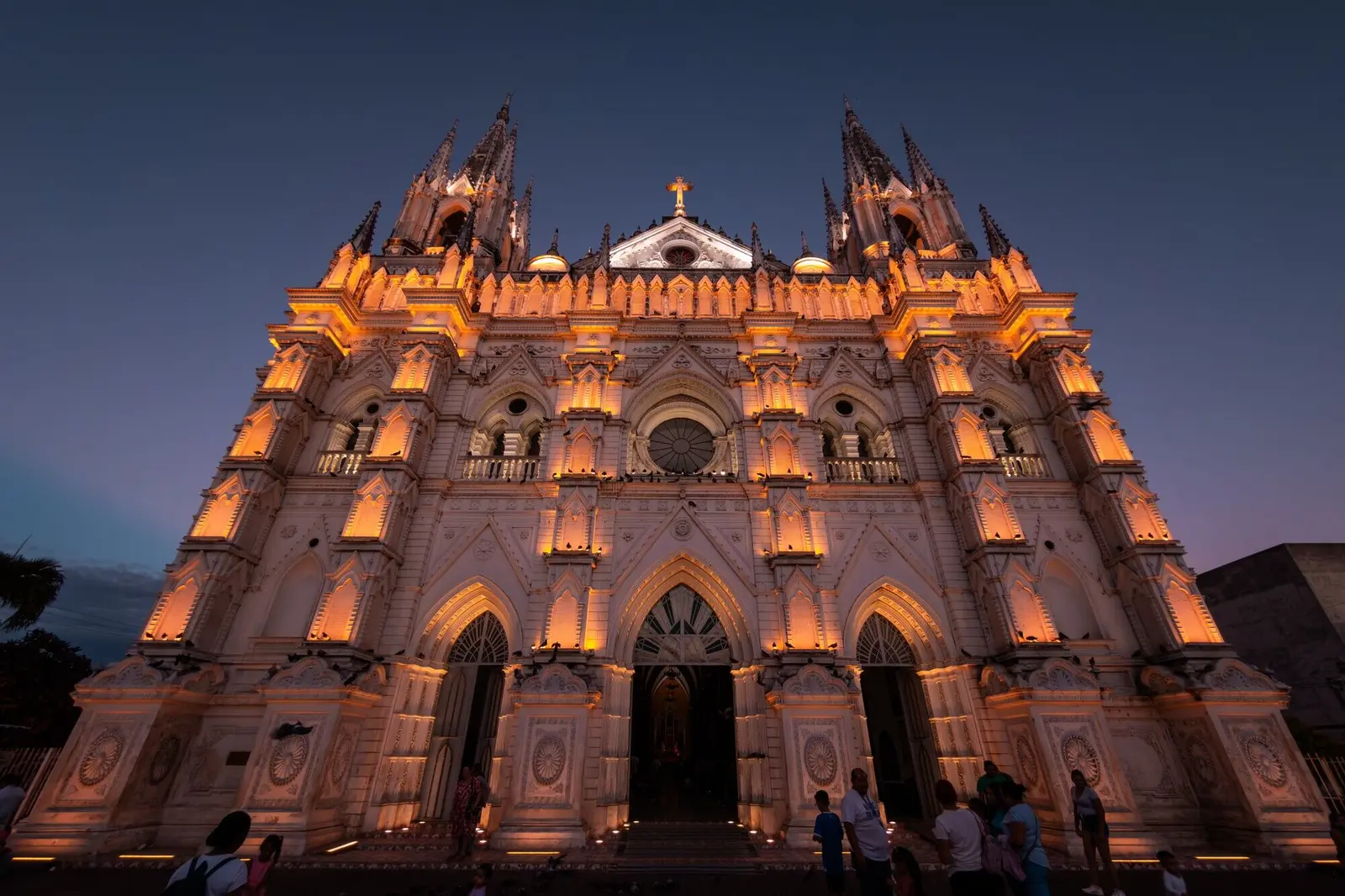 Santa Ana Travel Guide: 10 Best Things to Do & 4-Day Itinerary
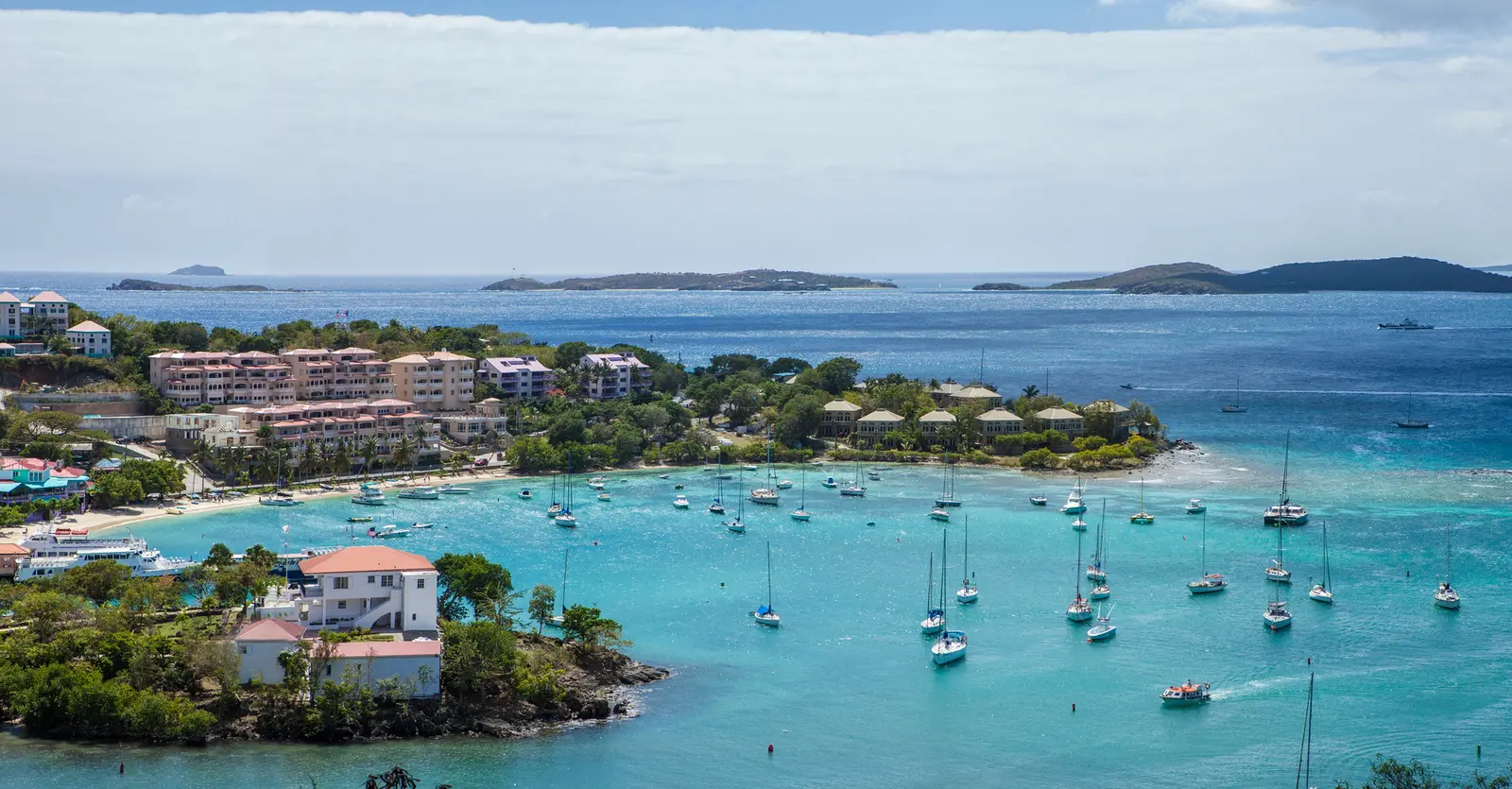 Glorious American Getaways That Seem Like Far‑Off Lands
 Best Credit Cards for Rental Car Elite Status
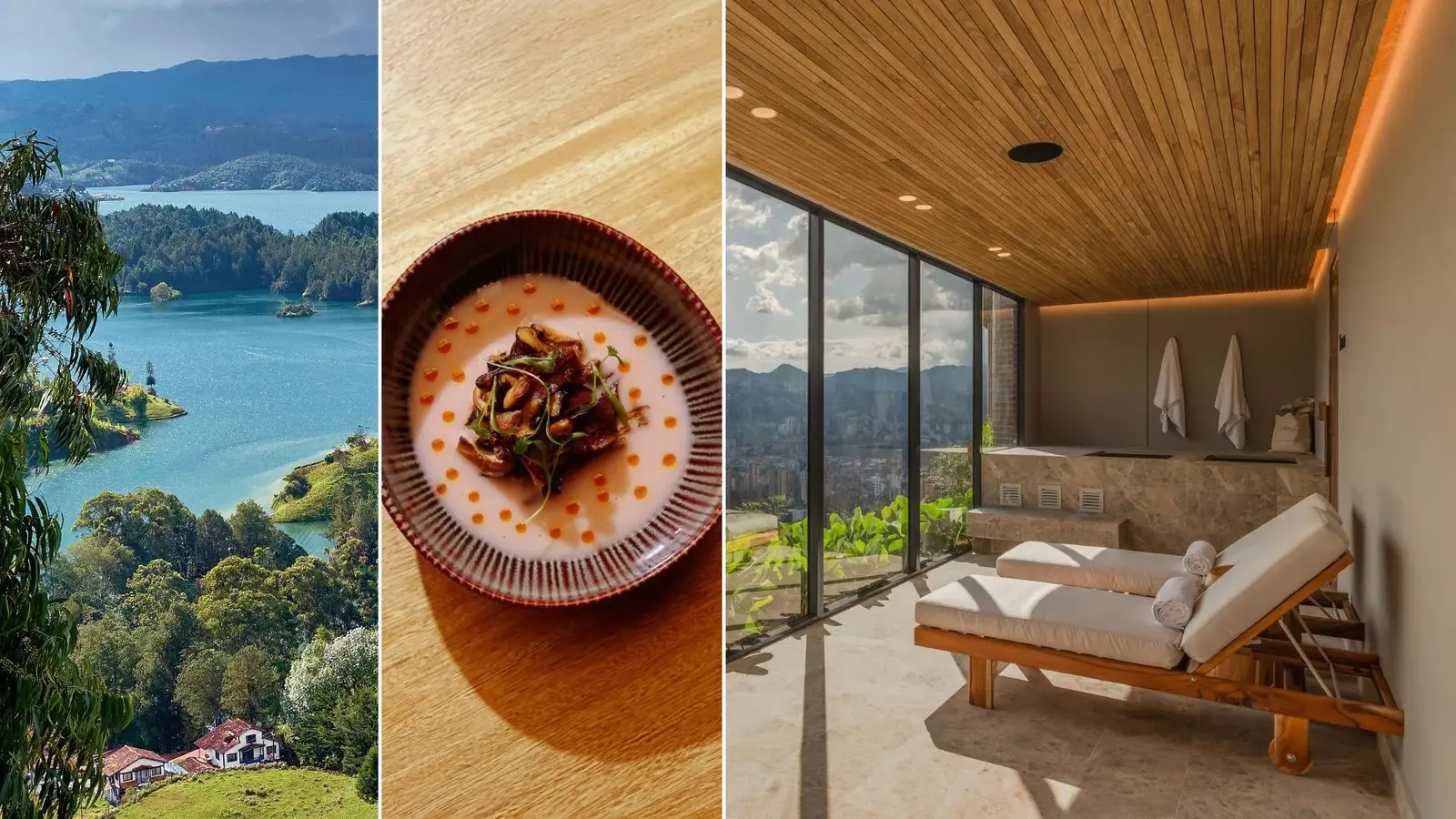 Where to Eat, Stay, and Play in Medellín, Colombia's Eternally Cool City
This balance, he says, is what makes Tokyo’s food culture uniquely resilient and endlessly fascinating. How Has Tokyo’s Food Scene Changed Since the 1980s? The critic notes that while Michelin stars and global attention have transformed perceptions, the heart of Tokyo’s dining lies in its neighborhood izakayas, standing noodle bars, and early-morning fish markets. He emphasizes that authenticity isn’t found only in high-end establishments but in the daily rituals of chefs who arrive before dawn to select the freshest swai or prepare dashi from scratch. Swinnerton argues that the city’s strength lies in its layers—where a 300-year-old soba shop might stand beside a cutting-edge molecular gastronomy lab. What Should Visitors Prioritize When Eating in Tokyo?
According to Swinnerton, first-time visitors should resist the urge to chase only famous names and instead follow locals to lesser-known spots where queues form not for hype but for flavor.
He recommends trying regional specialties unavailable elsewhere
He recommends trying regional specialties unavailable elsewhere, such as Kyoto-style kaiseki adapted to Tokyo palates or Hokkaido seafood flown in daily. More importantly, he urges eaters to slow down, observe, and ask questions—because in Tokyo, the story behind the dish is often as important as the taste itself. Frequently Asked Questions What is one dish Swinnerton believes every visitor should try? He suggests a simple bowl of tonkotsu ramen at a counter-seat shop in Shinjuku, where the broth is simmered for hours and the noodles are made fresh each morning—an experience that captures Tokyo’s dedication to craft. Is it necessary to speak Japanese to enjoy Tokyo’s food? While helpful, Swinnerton says many chefs appreciate the effort to engage, and pointing at dishes or using basic phrases often opens doors to warmer service and off-menu recommendations. How has foreign influence affected traditional Japanese cooking in Tokyo?
He observes that rather than eroding tradition, outside ideas have often been absorbed and reinterpreted—like using French techniques to enhance Japanese ingredients—resulting in a cuisine that honors the past while embracing change.
Content written by Charly Wilder for travel-good.com editorial team, AI-assisted.