
AI Agents May Disrupt Traditional Online Travel Booking Model
How AI Agents Could Replace Paid Placement Systems
At the Skift Global Forum, HotelTonight co-founder Sam Shank discussed how artificial intelligence agents could transform the way travelers book accommodations online. In a special Good Morning Hospitality interview, Shank explained that AI-driven booking platforms might challenge the long-standing sponsored search model that generates billions in revenue for major online travel agencies.
Latest news
 Atlas Ocean Voyages Lets Guests Choose Hull Color for New Sailing Yacht
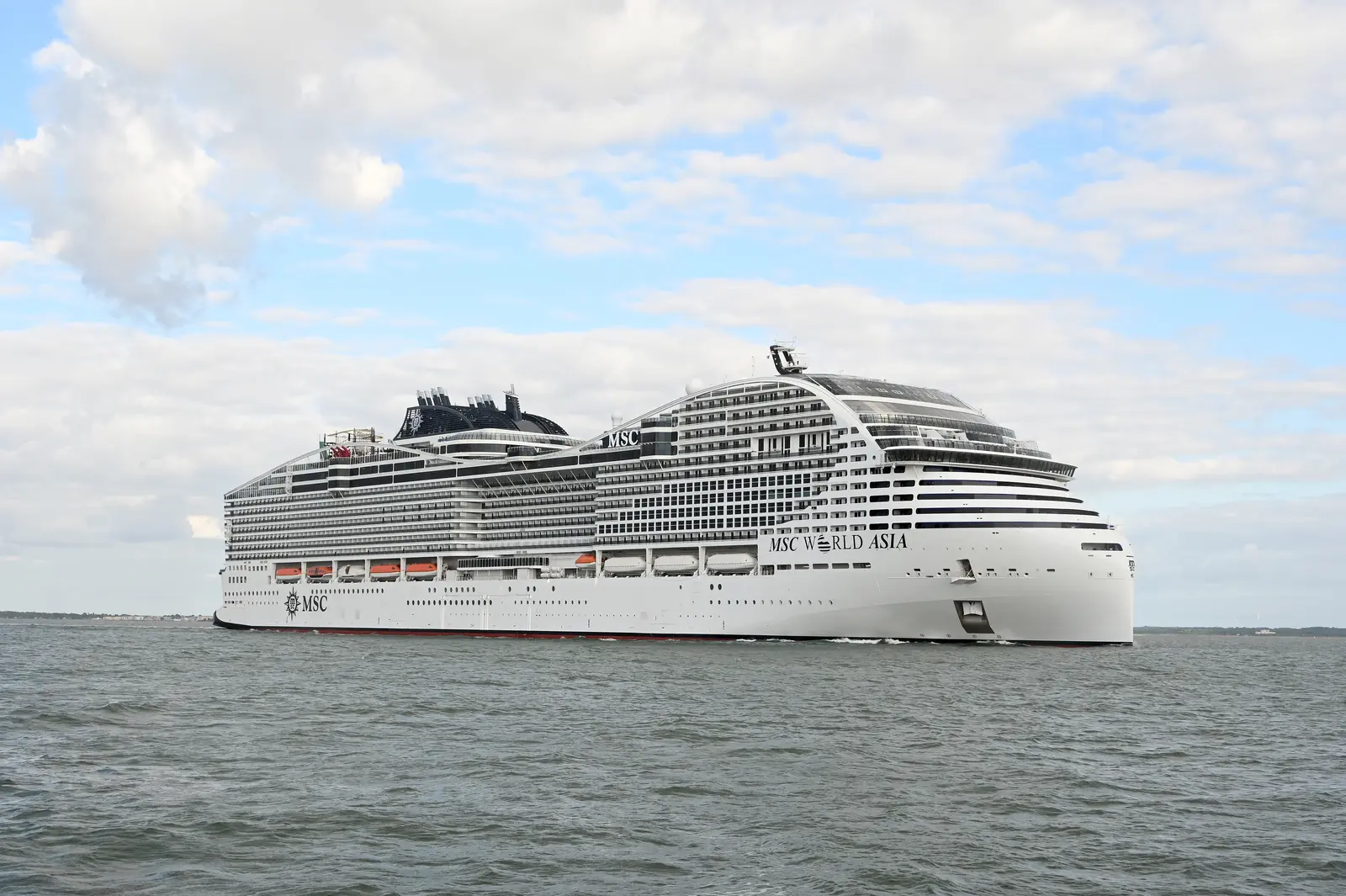 MSC World Asia Sets Sail as One of the World's Largest Cruise Ships
 American Airlines Issues Travel Alert For Miami Airport Amid FAA Ground Stop Advisory
 American Airlines Extends Rebooking Options Amid Thanksgiving Storms
Shank described how AI-powered booking assistants could evaluate properties based on genuine quality metrics instead of advertising spend. These intelligent agents would process factors like location relevance, amenities, historical pricing trends, and verified customer feedback to suggest optimal accommodations. Unlike current platforms where hotel rankings depend largely on commission payments, AI systems could prioritize user satisfaction and value.
„The fundamental shift is moving from a model where hotels compete based on marketing dollars to one where they compete based on actual service quality,”Shank explained during the forum discussion. This change could democratize online travel distribution by giving smaller properties better visibility alongside established chains.
As AI agents become more sophisticated, they may handle everything from initial research through post-stay feedback collection. Shank suggested that travelers might no longer visit individual booking sites directly, instead relying on AI assistants to find, compare, and secure reservations across multiple platforms simultaneously. This consolidation could significantly impact the revenue streams of major OTAs that currently dominate the market.
What Happens When AI Controls the Entire Booking Journey?
The implications extend beyond just booking mechanics. Hotels might need to reconsider their digital marketing strategies entirely, shifting focus from search engine optimization and paid placements toward improving actual guest experiences. Properties with superior service quality but limited marketing budgets could finally compete effectively against well-funded competitors.
Will AI completely eliminate sponsored search results in travel booking?
Not immediately, but AI agents will likely reduce their influence as travelers prioritize personalized recommendations over paid placements. The transition will probably happen gradually over several years.
How will this affect small hotels and boutique properties?
Frequently Asked Questions
Smaller establishments could benefit significantly since AI evaluates properties based on quality metrics rather than advertising spend, potentially leveling the playing field with larger hotel chains.
What timeline should we expect for these changes to take effect?
Industry experts suggest meaningful AI integration in travel booking could occur within the next three to five years, with early adopters already experimenting with basic AI assistant features.
The shift toward AI-driven travel distribution represents one of the most significant disruptions the hospitality industry has faced since the rise of online booking platforms themselves. Companies that adapt quickly to this new landscape will likely maintain competitive advantages, while those clinging to traditional models may struggle to remain relevant in an increasingly intelligent travel ecosystem.