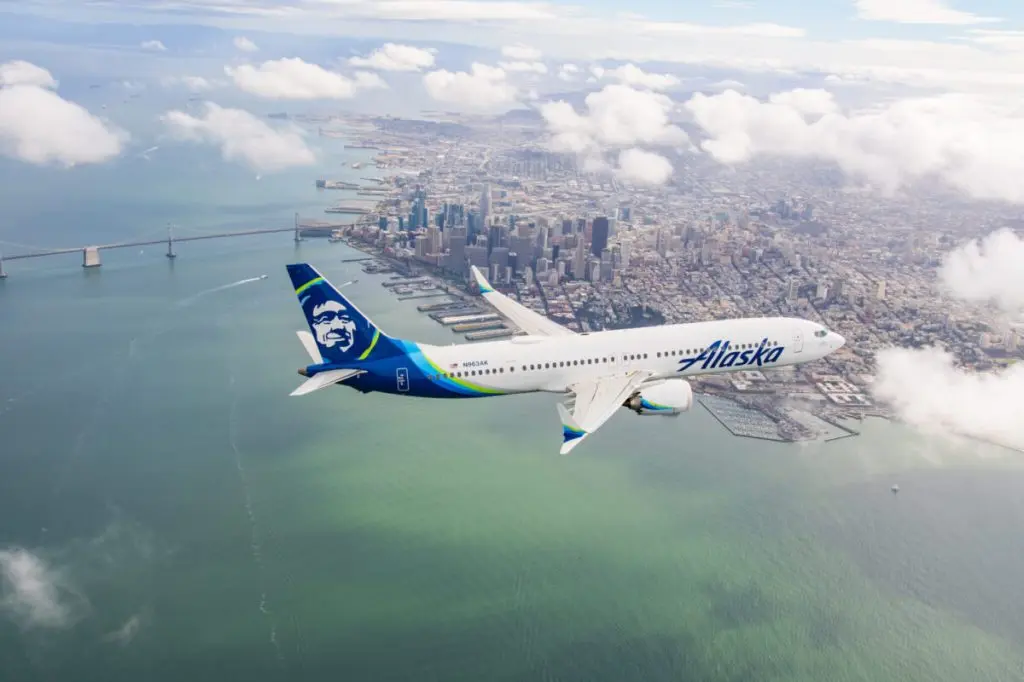
Alaska Airlines Aims to Expand Beyond West Coast Hubs
Targeting New Markets Amid Hub Constraints
Alaska Airlines is looking to grow its network beyond its traditional West Coast bases in Portland and San Diego, even as it faces rising fuel costs and limited capacity at its main Seattle‑Tacoma hub. Chief commercial officer Andrew Harrison told industry media that the airline sees a key growth lever in expanding into new markets.
Latest news
 Laguna Beach Unveils 25 Must‑Try Experiences for Visitors and Locals Alike
 Oman Proves Ideal For Independent Road Trips
 Five Unique Ways to Explore Paris with Tauck Travel Experiences
 Santa Ana Travel Guide: 10 Best Things to Do & 4-Day Itinerary
The carrier’s strategy focuses on tapping underserved routes and leveraging its strong brand in the Pacific Northwest. With fuel prices climbing and competition from Delta Air Lines intensifying, Alaska is seeking to diversify its route portfolio and reduce reliance on the congested Seattle‑Tacoma International Airport.
Alaska’s biggest challenge is the limited slot availability at Seattle‑Tacoma, which is already strained by other carriers. Harrison explained that the airline intends to use its existing fleet to launch services into cities that lack direct flights from the West Coast. „We’re looking at markets that have strong business travel demand but limited competition,” he said. The plan involves deploying newer, fuel‑efficient aircraft to keep operating costs manageable while opening new revenue streams.
How Will Alaska Differentiate Itself?
The airline’s expansion also aligns with its recent investment in a larger fleet of Airbus A321neos and Boeing 737‑8s. These aircraft offer lower fuel burn and higher seat capacity, allowing Alaska to serve more passengers on longer routes without sacrificing profitability. By focusing on cities with growing economies and robust tourism sectors, the carrier hopes to capture market share from both legacy carriers and low-cost competitors.
Alaska has built a reputation for excellent customer service and a strong loyalty program. Harrison emphasized that the airline will continue to differentiate itself through personalized service, on‑board amenities, and a focus on regional connectivity. „Our brand is about more than just getting people from point A to point B,” he said. „It’s about creating a unique experience that keeps travelers coming back.”
Will the Expansion Hurt Existing Routes?
The airline is also exploring partnerships with regional carriers to feed traffic into its new routes. By integrating smaller aircraft into its network, Alaska can offer more frequent flights to secondary cities, thereby increasing its appeal to both leisure and business travelers. The company’s data shows that passengers value flexibility and convenience, especially in markets where direct flights are scarce.
Alaska’s leadership believes that the new routes will complement, rather than cannibalize, its current network. The airline plans to adjust flight schedules and frequencies to ensure that its core hubs remain profitable. „We’re not looking to abandon our stronghold on the West Coast,” Harrison said. „Instead, we’re adding depth to our network so that we can serve more destinations without compromising service quality.”
The expansion also comes at a time when Delta Air Lines is increasing its presence in the Pacific Northwest. By offering a broader range of destinations, Alaska aims to retain passengers who might otherwise switch to Delta for convenience. The airline’s marketing team is preparing targeted campaigns to highlight the new routes and the benefits of flying Alaska, such as its award‑winning frequent‑flyer program.
Outlook for Alaska Airlines
If the expansion strategy succeeds, Alaska Airlines could see a significant boost in revenue and market share. The airline’s focus on fuel‑efficient aircraft and underserved markets positions it well to weather rising fuel costs and airport congestion. However, the company must navigate regulatory hurdles and secure additional slots at key airports.
Ultimately, Alaska’s plan to grow beyond its West Coast roots reflects a broader industry trend toward network diversification. By expanding into new markets while maintaining strong service standards, the airline hopes to strengthen its competitive position and secure long‑term growth.
Frequently Asked Questions
What new destinations is Alaska planning to add? Alaska is targeting cities in the Midwest and Southwest that currently lack direct West Coast flights, such as Tulsa, Oklahoma City, and Albuquerque. The airline is also exploring routes to emerging tourism hubs in the Pacific Northwest.
How will rising fuel costs affect Alaska’s expansion plans? The airline is investing in newer, fuel‑efficient aircraft to offset higher fuel prices. Additionally, it is negotiating fuel hedging contracts to stabilize operating costs and protect margins.
Will Alaska’s existing hubs lose service due to the expansion? No. Alaska plans to maintain its current frequencies at Portland and San Diego while adding new routes. The company will adjust schedules to keep core hubs profitable and continue offering high‑quality service.
Content written by Meghna Maharishi for travel-good.com editorial team, AI-assisted.