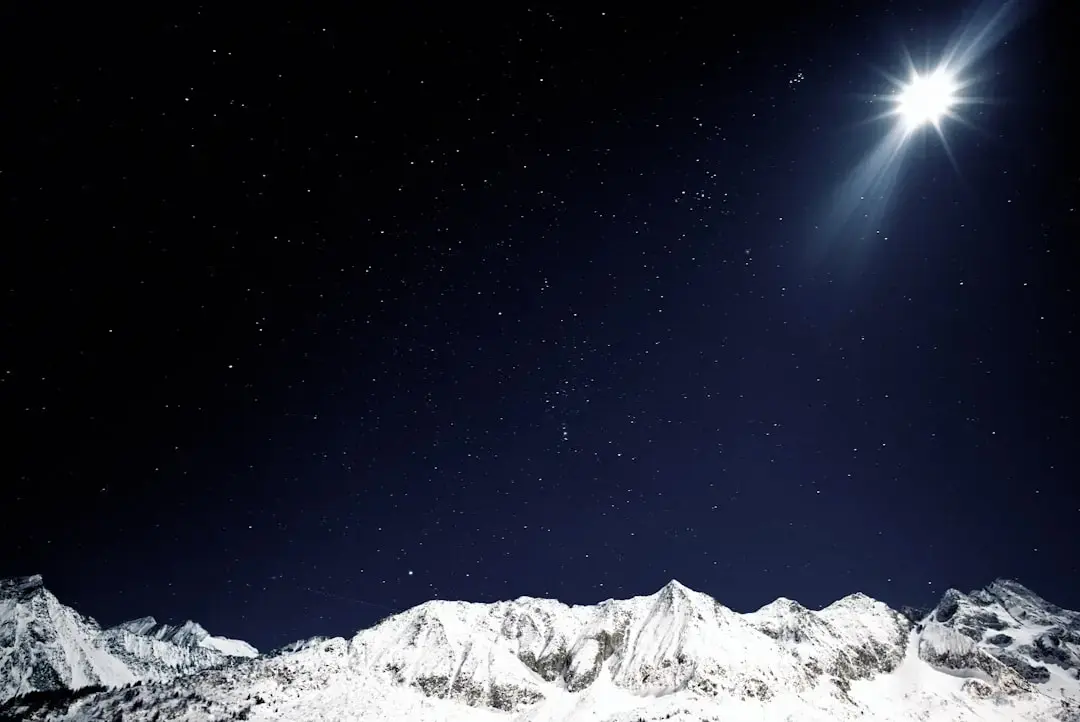
Ancient Stargazing Tradition Becomes National Holiday
Observing the Celestial Calendar
New Zealand has embraced an ancient Māori tradition as a national public holiday. Matariki, marking the Māori New Year, is now one of the world's first indigenous celebrations to receive such recognition. This mid-winter event centers around the Matariki star cluster, also known as the Pleiades.
Latest news
 Phu Quoc: Vietnam’s Premier Tropical Island Escape
 Finding the Best Neighborhoods to Stay in Peru’s Coastal Capital
 Bomb Threat Diverts Tel Aviv Flight to Sofia
 Tracing Ancient Footsteps Through the Yucatán Wilderness
The celebration involves various cultural activities, often beginning in the cold, pre-dawn hours. Communities gather to observe the stars and reflect on the past year. It is a time for remembrance, celebration, and planning for the future.
Why is Matariki so important to New Zealand?
In Ōtepoti/Dunedin, early July mornings see people gathering to witness the Matariki star cluster. Ian Griffin, a prominent figure in the local celebrations, often leads these observations. He guides attendees in understanding the significance of the stars. This ancient practice connects people to their heritage and the natural world. The appearance of Matariki signals the start of a new cycle.
The recognition of Matariki as a public holiday highlights a growing appreciation for Māori culture. It provides an opportunity for all New Zealanders to learn about and participate in these traditions. The holiday fosters national unity and cultural understanding.
# What is Matariki?
Matariki holds deep cultural and spiritual meaning for Māori people. It signifies a time for family gatherings, storytelling, and honoring ancestors. The holiday also promotes environmental awareness, as the stars guided planting and harvesting cycles. Its national recognition elevates indigenous culture to a prominent place in the country's calendar.
# When is Matariki celebrated?
The establishment of Matariki as a public holiday is a significant step towards decolonization. It acknowledges the rich history and knowledge of the Māori people. This move encourages a deeper connection to the land and its original inhabitants. It also offers a unique cultural experience for tourists and locals alike.
Matariki is the Māori name for the Pleiades star cluster. Its appearance in the mid-winter sky signals the beginning of the Māori New Year. It is a time for remembrance, celebration, and looking forward.
# What activities are associated with Matariki?
Matariki is celebrated during the mid-winter period, typically in late June or early July. The exact date varies each year, determined by the lunar calendar and the visibility of the Matariki star cluster.
Celebrations often include pre-dawn star gazing, cultural performances, feasting, and community gatherings. It is a time for reflection, honoring ancestors, and setting intentions for the coming year.
Content written by James Walker for travel-good.com editorial team, AI-assisted.