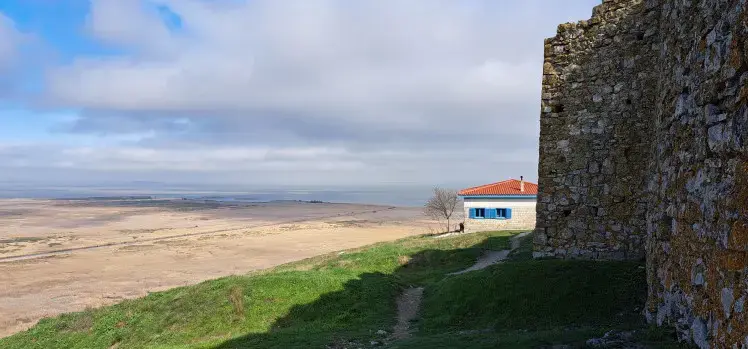
Dobrogea: Romania’s Hidden Coastal Gem
Unearthing Dobrogea’s Ancient Past
Dobrogea, a region in southeastern Romania, offers travelers an authentic experience. It blends stunning scenery with a unique cultural heritage. This relatively undiscovered area provides a compelling alternative to more crowded European destinations. It’s ideal for those seeking both relaxation and exploration.
Latest news
 Phu Quoc: Vietnam’s Premier Tropical Island Escape
 Finding the Best Neighborhoods to Stay in Peru’s Coastal Capital
 Bomb Threat Diverts Tel Aviv Flight to Sofia
 Tracing Ancient Footsteps Through the Yucatán Wilderness
The region boasts a fascinating history shaped by diverse influences. Ancient Greeks, Romans, and Ottomans all left their mark on Dobrogea. This history is visible in the archaeological sites and architectural styles found throughout the area. Modern life thrives alongside deeply rooted traditions, creating a captivating atmosphere. The landscape varies from rolling hills to the Black Sea coast.
Dobrogea’s historical significance is immense. The region served as a crucial crossroads for civilizations. Evidence of this rich past is abundant. Histria, one of the oldest cities in Romania, showcases Greek and Roman ruins. Visitors can explore the remnants of ancient settlements and imagine life centuries ago. The area also contains medieval fortresses and Ottoman mosques, demonstrating the layers of history.
Is Dobrogea the Next Romanian Travel Hotspot?
These sites aren't just relics; they offer insight into the lives of those who came before. Archaeologists continue to uncover new discoveries. This ongoing research adds to our understanding of Dobrogea’s importance in the ancient world. The preservation of these historical treasures is a priority for local authorities. They aim to share this heritage with future generations.
Dobrogea presents a unique travel experience. It’s a departure from Romania’s more well-known attractions. The region offers a slower pace of life. It allows visitors to connect with nature and local culture. The Black Sea coastline provides opportunities for swimming, sunbathing, and water sports. Inland, the landscape is perfect for hiking and exploring.
The region’s growing tourism infrastructure is still developing. This means visitors can enjoy a more authentic experience. They won’t encounter the overwhelming crowds found in other areas. Local guesthouses and small hotels offer comfortable accommodations. Restaurants serve traditional Romanian cuisine, showcasing fresh, local ingredients. The potential for sustainable tourism is high. It could benefit both the environment and the local economy.
Dobrogea’s appeal lies in its ability to offer something different. It provides a blend of history, nature, and culture. As word spreads about this hidden gem, it’s likely to attract more visitors. This increased attention could bring economic benefits. However, careful planning will be crucial to ensure sustainable development. Protecting the region’s unique character is essential for its long-term success.
Frequently Asked Questions
What is the best time to visit Dobrogea? The spring and fall offer pleasant weather for exploring. Summer is ideal for enjoying the Black Sea coast. Winter can be cold, but it provides a unique opportunity to experience the region’s tranquility.
Are there many English speakers in Dobrogea? English is becoming more common in tourist areas. However, learning a few basic Romanian phrases will be helpful. Locals appreciate the effort to communicate in their language.
What kind of food can I expect to find in Dobrogea? Dobrogea’s cuisine is a blend of Romanian, Turkish, and Greek influences. Expect fresh seafood, grilled meats, and flavorful vegetable dishes. Local wines are also worth trying.
Content written by Marco Ricci for travel-good.com editorial team, AI-assisted.