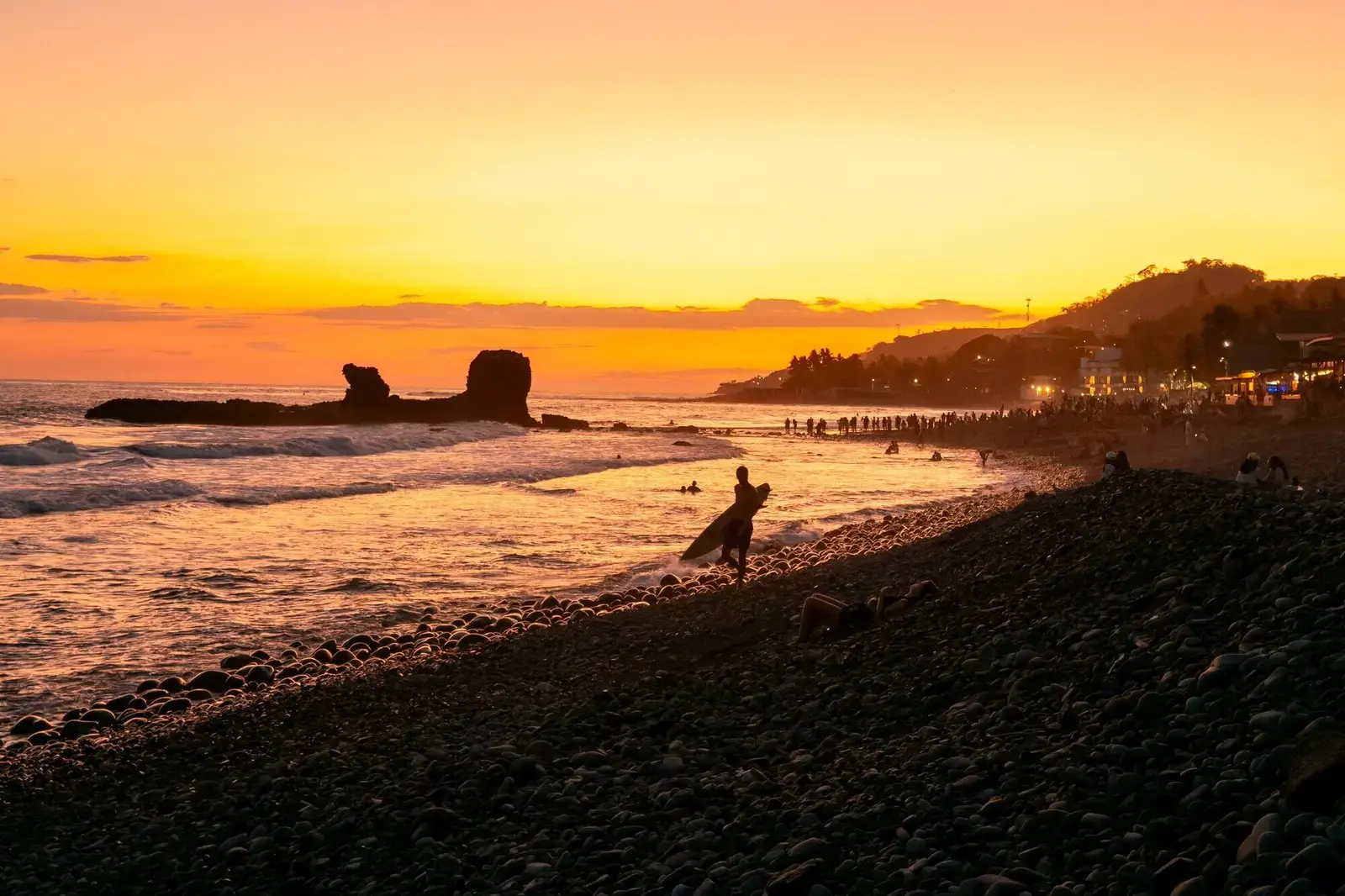
El Tunco Travel Guide: 7 Best Things to Do & 2-Day Itinerary
What Makes El Tunco’s Surf Culture Unique?
El Tunco, a coastal village in El Salvador, has emerged as a rising surf destination along the Pacific coastline, drawing travelers seeking laid-back vibes and consistent waves. Once a quiet fishing spot, it now blends local culture with growing tourism infrastructure, offering surf schools, beachfront hostels, and vibrant sunset views. Its popularity has grown steadily over the past decade, particularly among solo travelers and digital nomads looking for an authentic Central American experience without the crowds of more established surf hubs.
Latest news
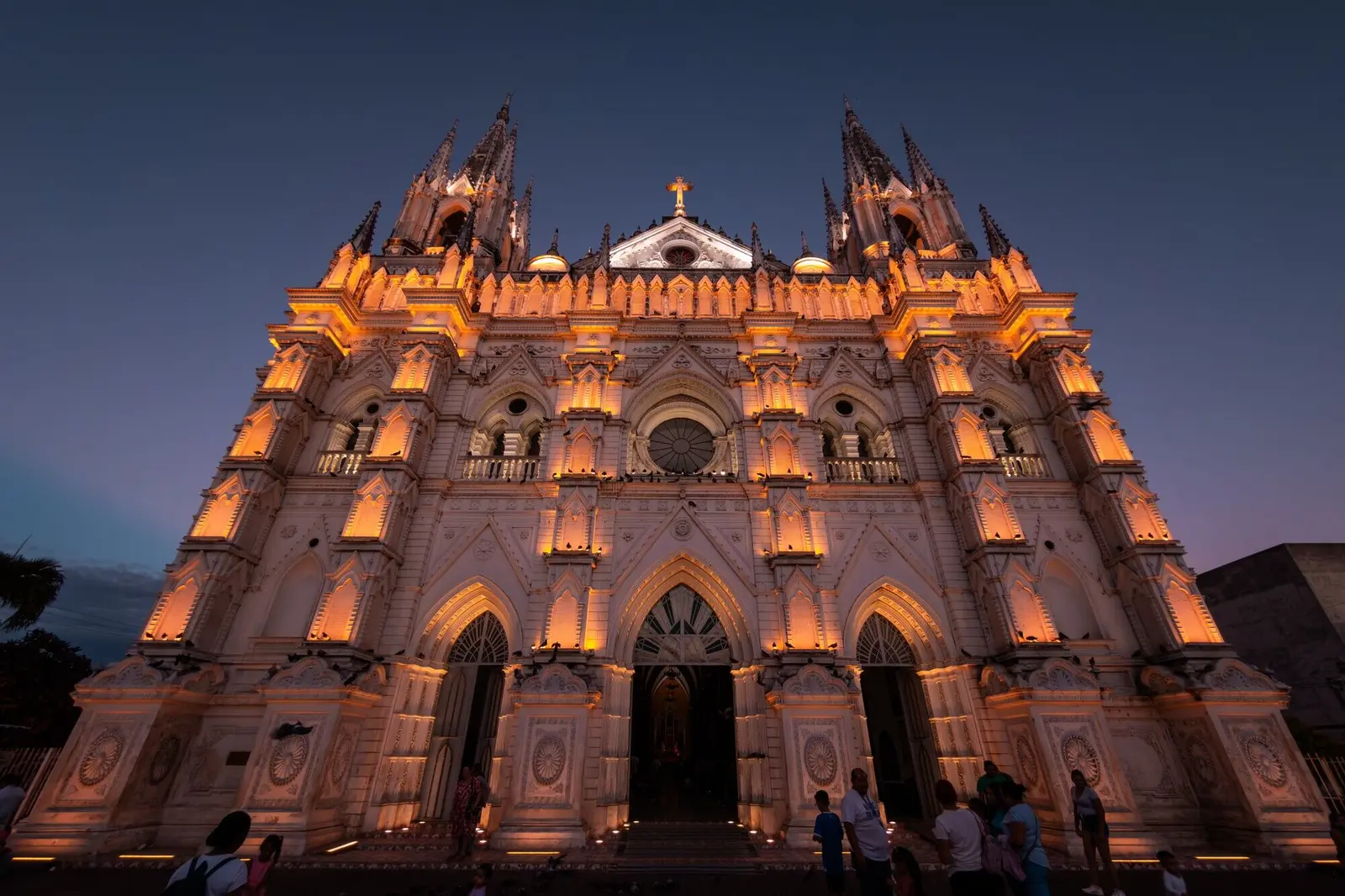 Santa Ana Travel Guide: 10 Best Things to Do & 4-Day Itinerary
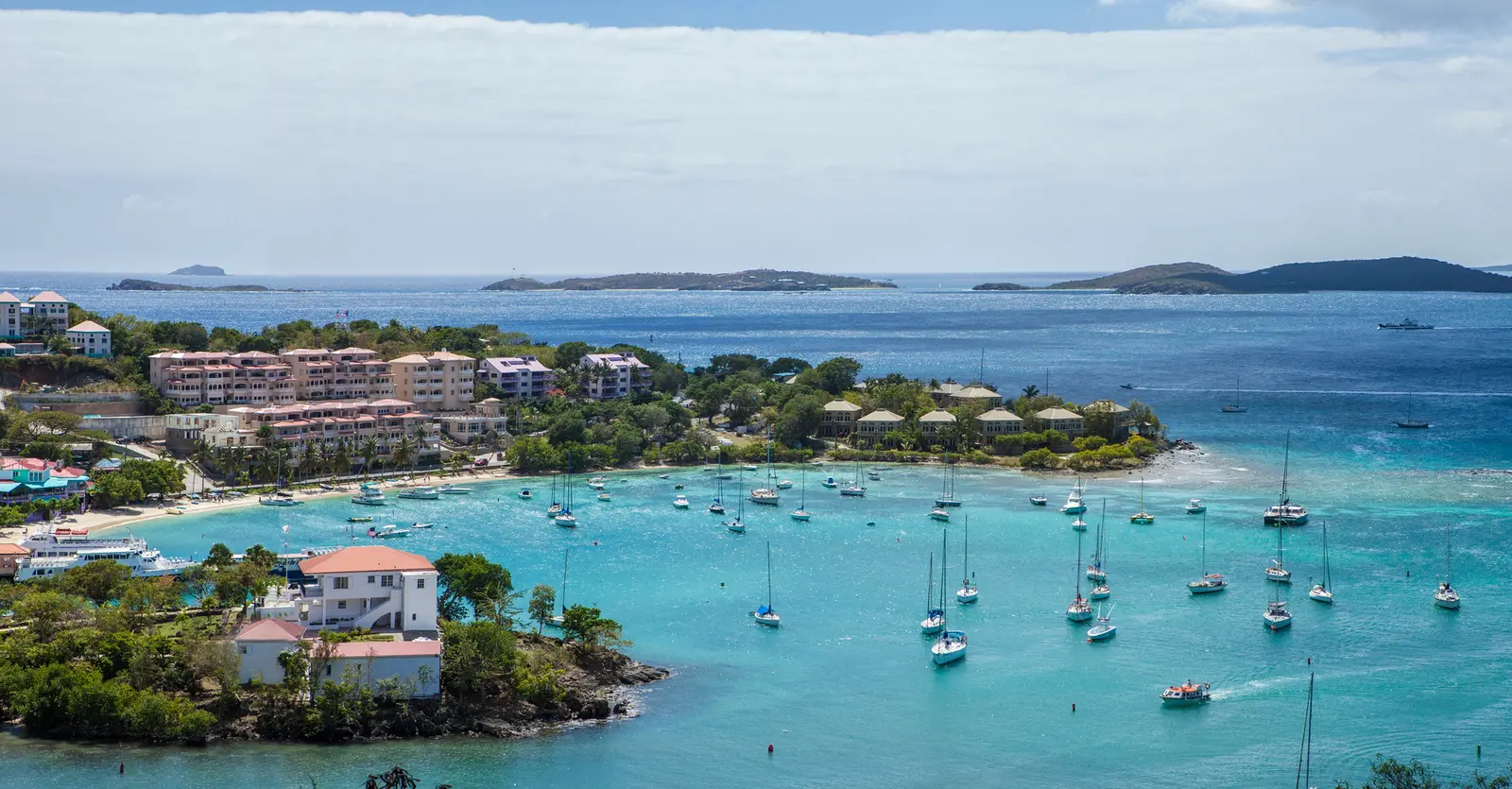 Glorious American Getaways That Seem Like Far‑Off Lands
 Best Credit Cards for Rental Car Elite Status
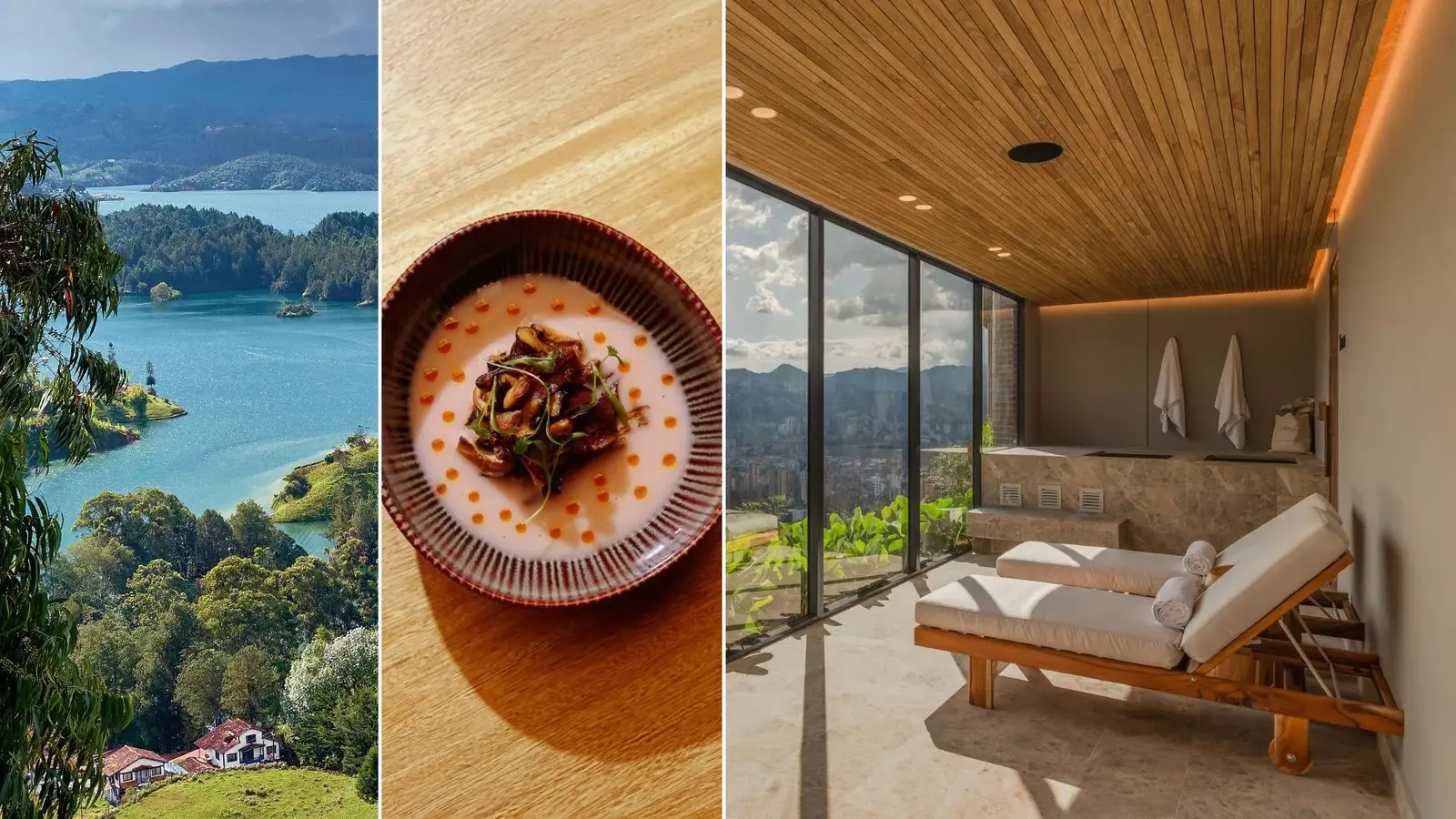 Where to Eat, Stay, and Play in Medellín, Colombia's Eternally Cool City
The town’s appeal lies in its accessibility and variety of activities beyond surfing. Visitors can explore nearby volcanic landscapes, hike to waterfalls in the surrounding hills, or take boat tours to spot marine life. Local markets sell handmade crafts and fresh seafood, while evening bonfires on the beach create communal spaces for storytelling and music. Despite its growth, El Tunco maintains a rustic charm, with dirt roads and open-air eateries preserving its original character.
How Is Tourism Changing the Local Economy?
El Tunco’s surf scene stands out due to its consistent swell patterns and welcoming community of local and international surfers. Breaks like La Bocana and Sunzal cater to different skill levels, from beginners learning on soft-top boards to experienced riders tackling hollow waves. Surf schools offer lessons in both Spanish and English, often led by Salvadoran instructors who emphasize ocean safety and environmental respect. The absence of large resort chains allows small, family-run shops to thrive, keeping prices accessible and interactions personal.
Tourism has shifted El Tunco’s economy from reliance on fishing and agriculture to service-based industries, including hospitality, guiding, and retail. Many residents now work in hostels, restaurants, or as tour guides, leading to increased income but also rising living costs. While some welcome the economic boost, others express concern over seasonal fluctuations and the potential loss of traditional practices. Community initiatives aim to balance growth with sustainability, such as beach cleanups and cultural festivals that highlight Salvadoran heritage.
Is El Tunco safe for solo travelers? Yes, El Tunco is generally considered safe for solo travelers, especially during daylight hours and in populated areas near the beach. Standard precautions like avoiding isolated paths at night and securing valuables are recommended, as with any tourist destination.
Frequently Asked Questions
What is the best time to visit El Tunco for surfing? The best surf conditions occur from March to November, when southwest swells produce consistent waves. December to February offers smaller, more manageable waves ideal for beginners, though crowds may increase during holiday periods.
Can you visit El Tunco without a car? Yes, El Tunco is accessible without a car. Public buses run from San Salvador’s western terminal, taking about 90 minutes. Taxis and shared shuttles are also available, and many attractions in town are walkable or reachable by bicycle.
Content written by Sophie Chen for travel-good.com editorial team, AI-assisted.