
Experience-First Travel: Why the Destination Is No Longer the Starting Point
How Experience-First Planning Changes the Booking Journey
The travel industry is witnessing a fundamental shift in how leisure trips are planned. Instead of choosing a destination first, a growing segment of travelers now begin with a specific activity or experience. This experience-firstapproach is reshaping marketing strategies and booking behavior across the sector.
Latest news
 American Airlines turns 100 years of flight memories into 200,000-mile jackets
 Expedia Group Acquires Kiwi.com to Expand European Flight Sales
 Atlas Ocean Voyages Lets Guests Choose Hull Color for New Sailing Yacht
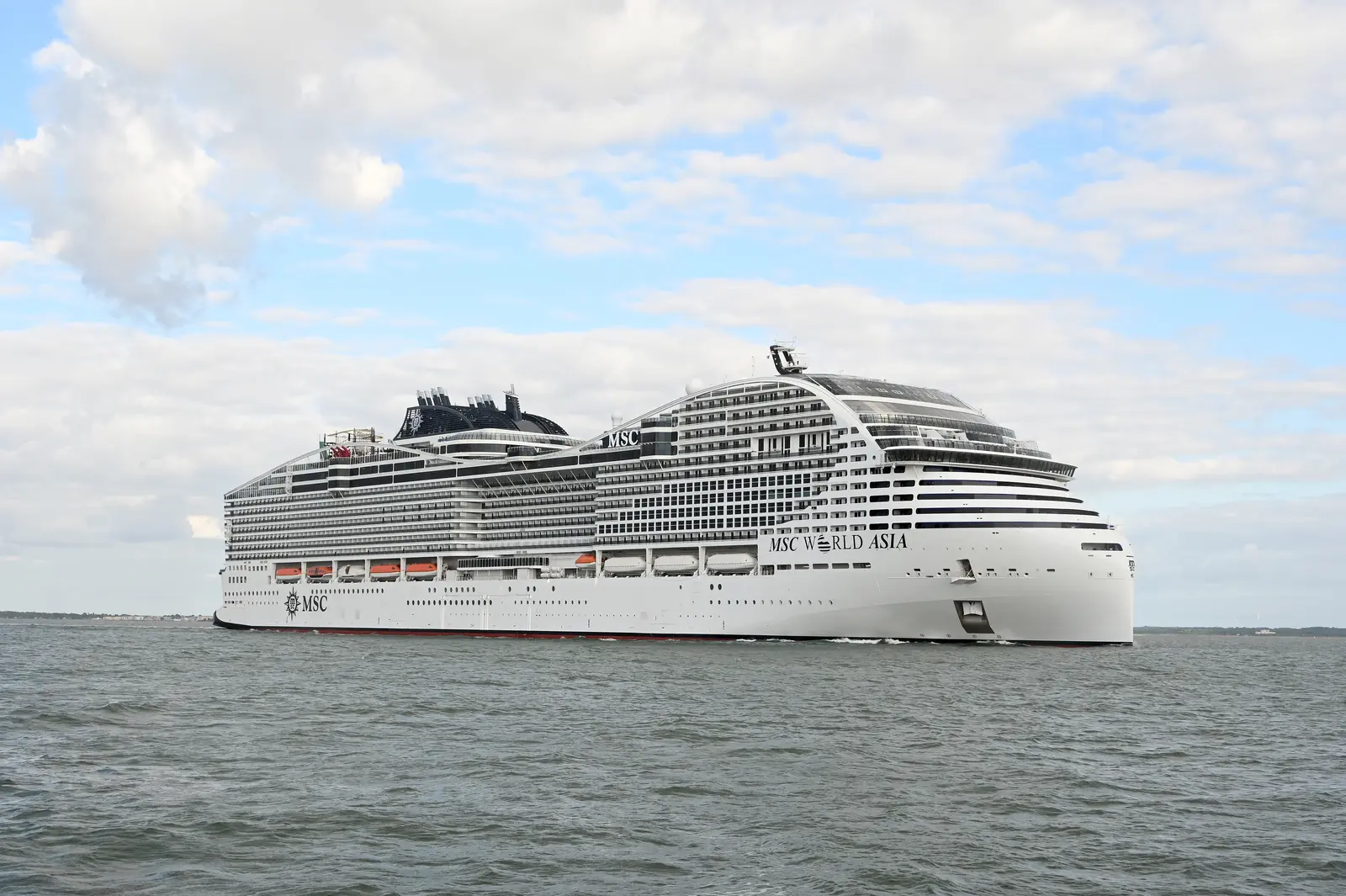 MSC World Asia Sets Sail as One of the World's Largest Cruise Ships
Traditional tourism marketing relied on convincing travelers to pick a location. Once the destination was secured, flights, accommodations, and activities followed in sequence. That model is losing ground. More consumers are now driven by what they want to do, not where they want to go. The destination becomes a secondary consideration, selected only after the experience is defined.
Is This Trend Here to Stay?
When the activity comes first, the booking path inverts. Travelers search for the experience, then let the platform or agent identify suitable destinations that host it. This flips the conventional funnel. Marketing teams must now lead with the activity, using vivid descriptions and social proof to capture interest before any location is mentioned.
The shift also affects who the customer is. It skews toward younger, digitally native travelers who prioritize memorable moments over geographic prestige. They research experiences on social media, book through specialized platforms, and treat the destination as a logistical detail rather than the primary draw.
Industry observers see experience-first travel as a durable structural change, not a passing fad. The model aligns with broader consumer preferences for authenticity and personalization. As competition intensifies, destinations and operators that fail to adapt risk losing relevance. The future of leisure travel will increasingly be defined by what travelers do, not just where they go.
Frequently Asked Questions
What is experience-first travel? It is a planning approach where travelers choose an activity or experience before deciding on a destination. The location is selected only after the experience is locked in.
How does this change marketing? Marketing must lead with the activity, using compelling storytelling and social media engagement. Destination promotion becomes secondary, supporting the experience rather than driving the initial decision.