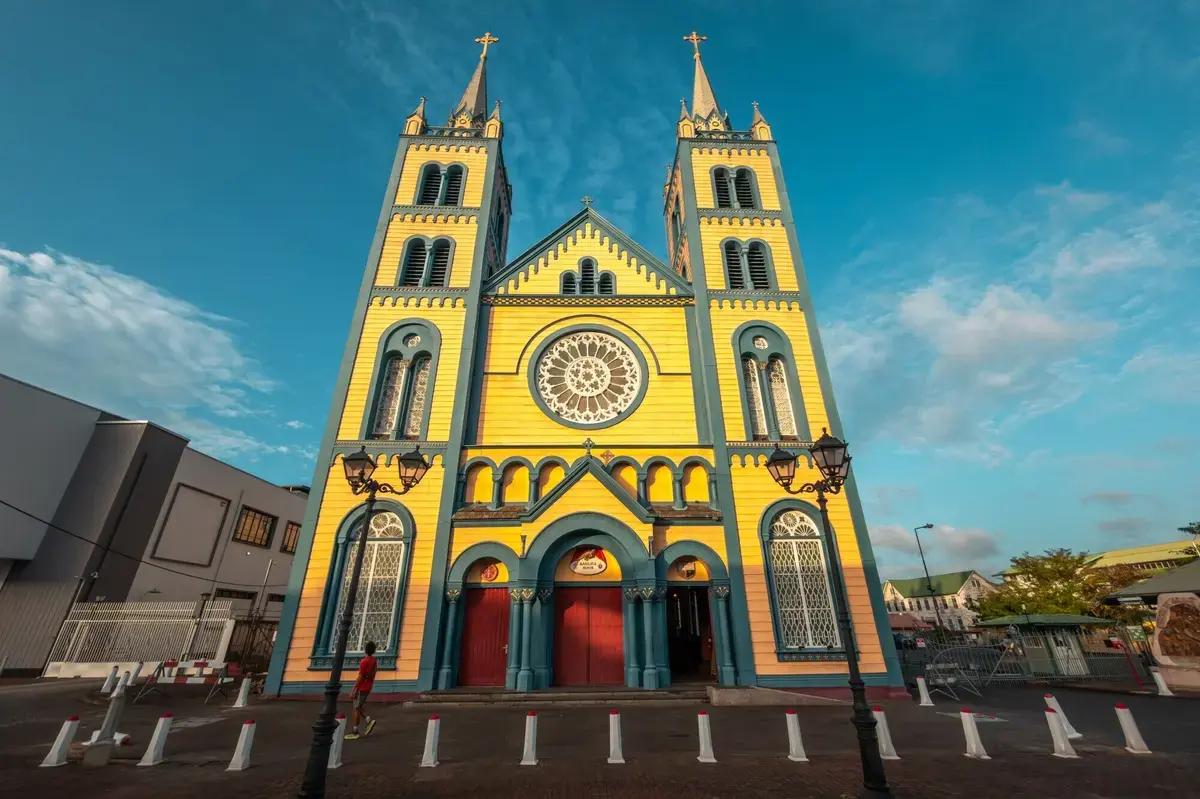
Exploring the Cultural Crossroads of Paramaribo
A Tapestry of Colonial History
Paramaribo, the vibrant capital of Suriname, has emerged as an unexpected gem for travelers navigating South America. Often overlooked in favor of larger neighbors, this riverside city offers a unique blend of Dutch colonial architecture and diverse cultural influences. Visitors arriving in this tropical destination discover a historic center designated as a UNESCO World Heritage site.
Latest news
 U.S. Ski Resorts Skip Ottawa Convention Amid Canadian Tourism Slump
 Exploring the Untamed Beauty of Northern Louisiana
 Beyond the Capital: British Tourism Chiefs Target Indian Visitors
 19 Unique Things to Do in Cape May, NJ
The city serves as a melting pot where Javanese, Hindustani, Creole, and Indigenous traditions intersect. Travelers typically spend their time wandering past wooden buildings that line the waterfront. These structures reflect the country's complex colonial history while housing a modern, bustling society. The humid climate and lush surroundings create an atmosphere unlike any other capital in the region.
The architecture in the city center provides a visual timeline of Suriname's past. Intricate wooden facades stand as reminders of Dutch influence, maintained carefully despite the tropical environment. Walking through the narrow streets, visitors encounter a mix of religious sites, including mosques and synagogues situated side-by-side. This peaceful coexistence is a defining feature of the local social fabric.
Is Paramaribo the Hidden Gem of South America?
Local markets offer a sensory experience, showcasing exotic fruits and traditional spices. These hubs of activity reveal the daily lives of residents and the depth of the local culinary scene. For those interested in photography, the play of light on the wooden structures and the busy riverfront provide endless inspiration. The city remains compact enough to explore on foot or by bicycle.
Many solo travelers find that the city offers a welcoming environment for those seeking off-the-beaten-path experiences. While it may not have the massive tourist infrastructure of other capitals, its authenticity is its greatest strength. Visitors are encouraged to engage with local communities to truly understand the spirit of the nation. The pace of life here is slower, allowing for genuine connections and deeper exploration.
As Suriname continues to gain attention, the capital is likely to see modest growth in its tourism sector. Maintaining the balance between preservation and development remains a primary goal for local authorities. Travelers who visit now will experience a destination that feels largely untouched by mass tourism. It remains a compelling stop for anyone traversing the northern coast of the continent.
Frequently Asked Questions
What is the best way to get around the city? Most of the central historic area is easily walkable for visitors. Renting a bicycle is also a popular and efficient way to cover more ground.
Are there specific cultural customs to observe? Suriname is known for its religious tolerance and diverse population. Visitors should dress modestly when visiting religious sites and always ask before taking photographs of individuals.
What is the ideal duration for a visit? A stay of three to four days is generally sufficient to see the main historic sites. This timeframe allows for a relaxed pace and time to explore local markets and dining spots.
Content written by James Walker for travel-good.com editorial team, AI-assisted.