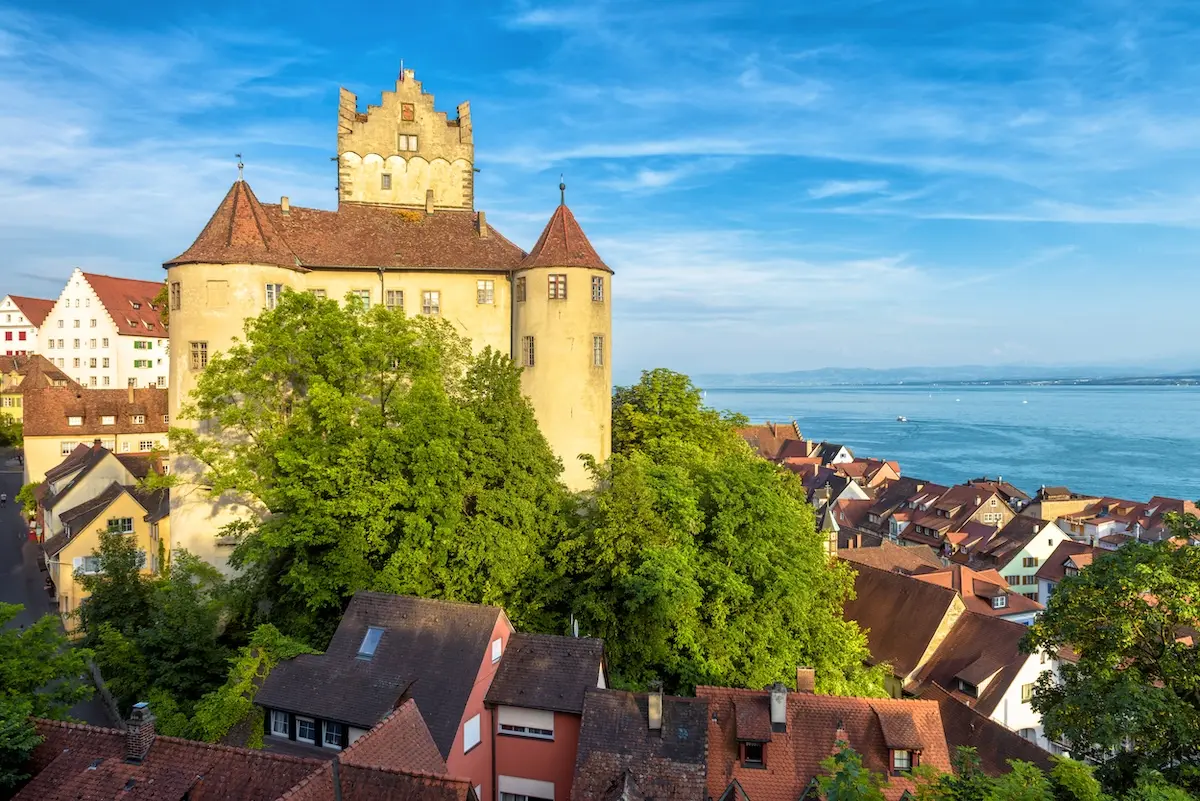
Fairytale Castle Town Rises Above Central Europe's Largest Lake
A Living Medieval Masterpiece
Perched on rocky cliffs overlooking one of Central Europe's largest lakes, a remarkably preserved medieval town captivates visitors with its centuries-old stone walls, cobblestone streets, and half-timbered houses. The castle town, nestled in the heart of the region, offers a glimpse into a bygone era where history remains vividly alive.
Latest news
 Phu Quoc: Vietnam’s Premier Tropical Island Escape
 Finding the Best Neighborhoods to Stay in Peru’s Coastal Capital
 Bomb Threat Diverts Tel Aviv Flight to Sofia
 Tracing Ancient Footsteps Through the Yucatán Wilderness
The town's origins trace back to the medieval period, when strategic fortifications were erected to guard the lake's vital trade routes. Over the centuries, it flourished as a cultural and economic hub, its architecture reflecting a blend of Gothic, Renaissance, and Baroque influences. Terraced vineyards cling to the surrounding hillsides, their grapes benefiting from the lake's moderating climate and the region's sunny slopes.
Walking through the town's narrow lanes, visitors encounter crooked half-timbered houses that lean together like old friends sharing secrets. The stone walls, some sections still standing tall after 800 years, frame panoramic views of the sapphire waters below. Local artisans continue traditional crafts, from pottery to woodcarving, keeping ancient techniques alive. The castle itself, perched atop the highest point, dominates the skyline with its weathered towers and battlements.
Unlike many historic sites that feel frozen in time, this castle town pulses with daily life. Residents shop at markets, children play in courtyards, and families gather in taverns serving locally caught fish and regional wines. The community actively maintains their heritage while adapting to modern needs, creating a unique blend of authenticity and livability.
The town's location provides natural defense and beauty in equal measure. The lake, stretching across the landscape like a mirror, reflects the changing seasons—from spring's emerald hills to autumn's golden vineyards. Boat tours offer perspectives of the castle walls from the water, revealing how the town appears to rise directly from the lake itself.
Why This Town Still Feels Like Home
Tourism has brought renewed prosperity without overwhelming the town's character. Visitors arrive by ferry, train, and car, drawn by the promise of stepping into a storybook. Yet the magic lies not just in the picturesque setting, but in how seamlessly past and present coexist here.
Looking ahead, the town faces the delicate challenge of balancing preservation with growth. Local officials emphasize sustainable tourism practices, limiting visitor numbers during peak seasons and investing in infrastructure that respects the historic fabric. As climate change affects regional weather patterns, the community is also adapting its vineyard practices and flood management strategies.
The castle town stands as a testament to thoughtful stewardship, proving that medieval heritage can thrive in the modern world when communities remain committed to their roots.
What makes this castle town unique compared to other European historic sites?
Frequently Asked Questions
The town's combination of intact medieval walls, active residential community, and dramatic lakeside setting creates an authenticity rarely found elsewhere. Unlike museum-like preserved towns, this location maintains genuine daily life within its ancient boundaries.
How can visitors best experience the town's medieval atmosphere?
Exploring on foot during early morning or late afternoon offers the most atmospheric experience, when crowds thin and the golden light enhances the stone architecture. Local guided tours provide historical context that brings the town's 800-year story to life.
What nearby attractions complement a visit to the castle town?
The terraced vineyards surrounding the town offer wine tastings and scenic hiking trails. Boat excursions on the lake provide unique photographic opportunities of the castle walls from the water, while nearby thermal spas offer relaxation after exploring the historic streets.
Content written by Mike Kaplan for travel-good.com editorial team, AI-assisted.