Florida’s Forgotten Gem Defies Tourism Trends With Warm Winters
Why Low-Rise Architecture Matters To Travelers
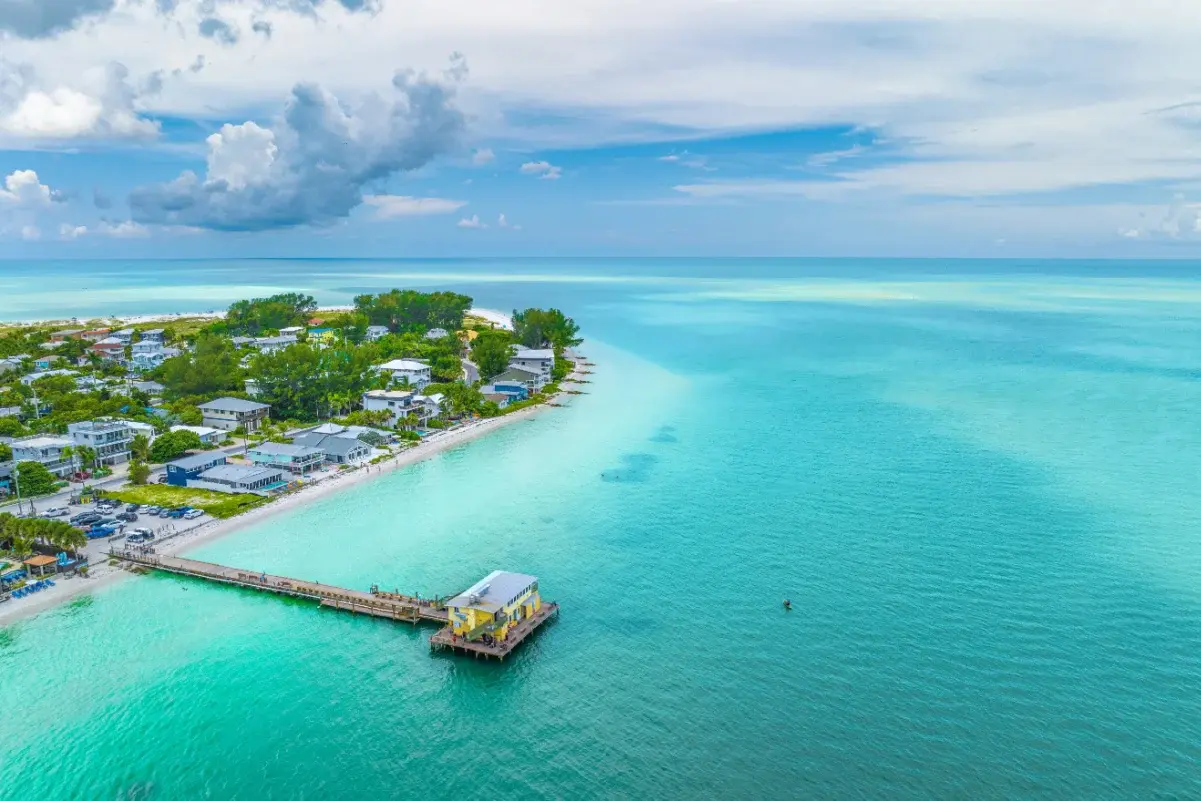
A quiet island off the Florida coast is gaining attention for its mild climate and lack of high-rise hotels. The destination offers consistent temperatures near 78 degrees Fahrenheit during winter months. This specific location remains largely unknown to mainstream travelers seeking traditional beach resorts. It sits within the Gulf of Mexico, providing calm, turquoise waters that contrast sharply with the Atlantic side. The island’s low-density development preserves a natural landscape that appeals to visitors avoiding crowded tourist hubs.
Latest news
 Laguna Beach Unveils 25 Must‑Try Experiences for Visitors and Locals Alike
 Oman Proves Ideal For Independent Road Trips
 Five Unique Ways to Explore Paris with Tauck Travel Experiences
 Santa Ana Travel Guide: 10 Best Things to Do & 4-Day Itinerary
The appeal lies in the absence of towering concrete structures. Most accommodations remain low-rise, allowing ocean views to dominate the skyline. This architectural choice creates a sense of space and tranquility. Visitors report that the water clarity is exceptional, making it ideal for swimming and snorkeling. The local ecosystem thrives because fewer large developments have disrupted the shoreline. This balance between accessibility and nature is rare in popular coastal areas.
High-rise hotels often block views and increase wind speeds along the beach. On this island, the lower profile buildings allow for better air circulation. This results in cooler breezes during hot summer days. The lack of vertical construction also reduces shadowing on the sand. Travelers can enjoy sunlight for longer periods throughout the day. The visual impact on the environment is minimal compared to major resort towns. This aesthetic preference is driving a new wave of interest among eco-conscious tourists. They seek destinations where nature remains the primary focus rather than infrastructure.
How Climate Comfort Drives Winter Migration
The island’s position in the Gulf provides protection from strong Atlantic storms. While hurricanes still pose a risk, the water movement is generally calmer. This makes it safer for families and less experienced swimmers. The turquoise color stems from the shallow depth and white sand bottom. Light reflects off the seabed, creating the vibrant blue-green hue. This visual characteristic has become a key marketing point for the region. Social media posts highlight the water quality frequently. As a result, search interest has spiked in recent years.
Many northern residents flee harsh winters for warmer climates. This island offers a reliable escape without extreme heat. The 78-degree average temperature is comfortable for outdoor activities year-round. It avoids the humidity levels found further south in the state. This middle ground attracts retirees and remote workers alike. They seek a place where they can work or relax without discomfort. The local economy benefits from this steady influx of seasonal visitors. Businesses adapt their hours to accommodate the changing demographics. Local restaurants and shops see increased foot traffic during colder months.
The growth in popularity raises concerns about preservation. Developers are watching the area closely for potential projects. Community leaders are pushing for zoning laws to maintain the low-rise standard. They want to prevent the island from becoming another generic resort strip. Balancing economic growth with environmental protection is the central challenge. If successful, the island could set a model for sustainable tourism. The future depends on whether locals can control the pace of change.
Frequently Asked Questions
Is the water safe for swimming? Yes, the Gulf waters are generally calm and clear. The shallow depth and sandy bottom make it suitable for most swimmers.
Are there many high-rise hotels nearby? No, the island features primarily low-rise accommodations. This keeps the skyline open and views unobstructed.
What is the average winter temperature? Winters typically hover around 78 degrees Fahrenheit. This mild climate attracts visitors escaping colder regions.
Content written by Tyler Fox for travel-good.com editorial team, AI-assisted.