Glasgow’s Finnieston District Hosts Rare Solitary Ash Tree on Argyle Street
A Giant Amidst Urban Development
A massive European Ash tree stands alone on Argyle Street in Finnieston, Glasgow. This solitary specimen dominates the streetscape in front of a row of traditional tenement flats. The tree serves as a striking landmark within this rapidly evolving urban neighborhood. Residents and visitors often pause to admire its impressive scale and presence.
Latest news
 Delta Flight 2531 Forced to Declare Emergency After Passenger Disturbance
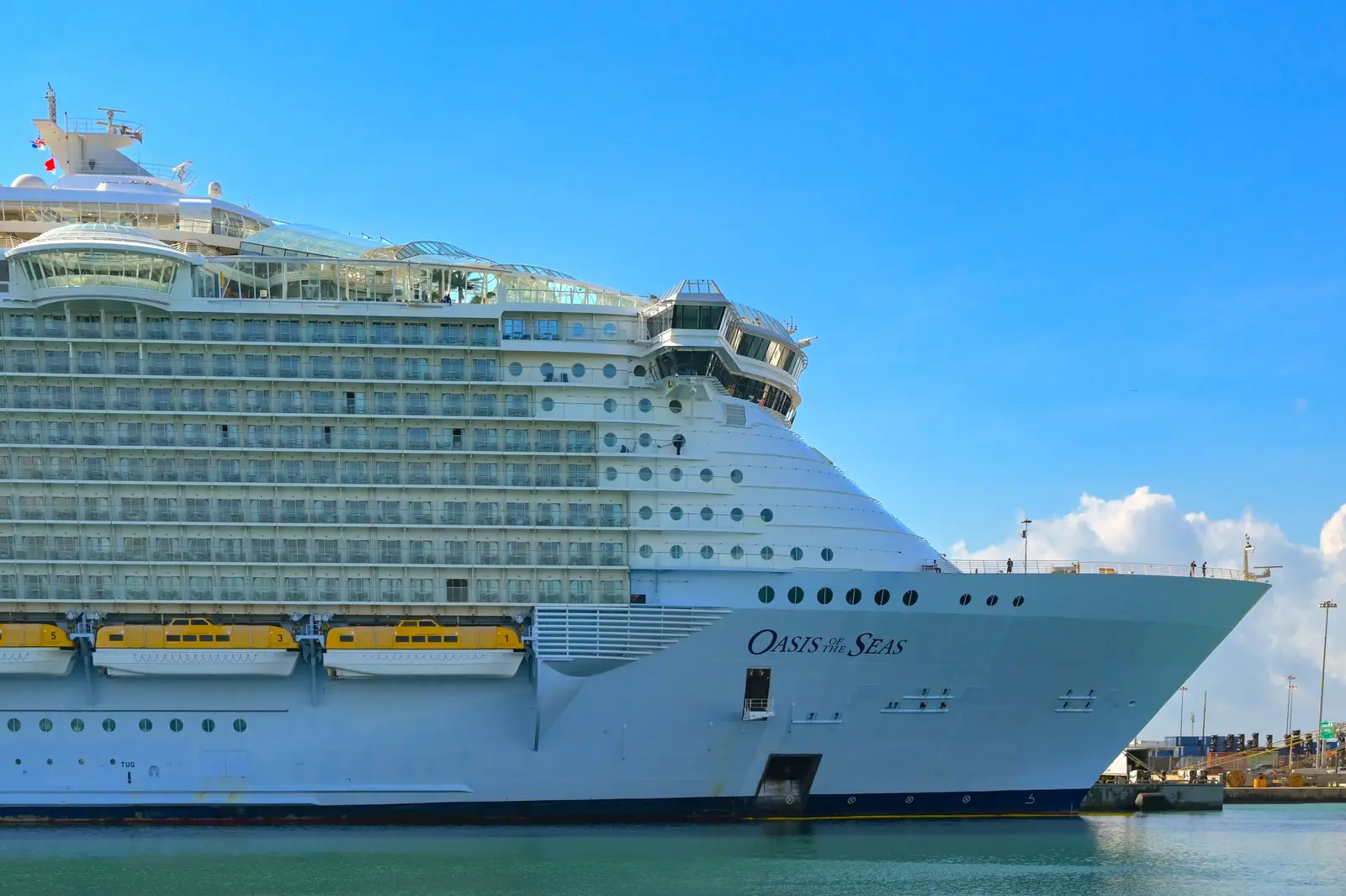 Royal Caribbean Cruise Diverts From Bahamas To Canada Amid Weather Concerns
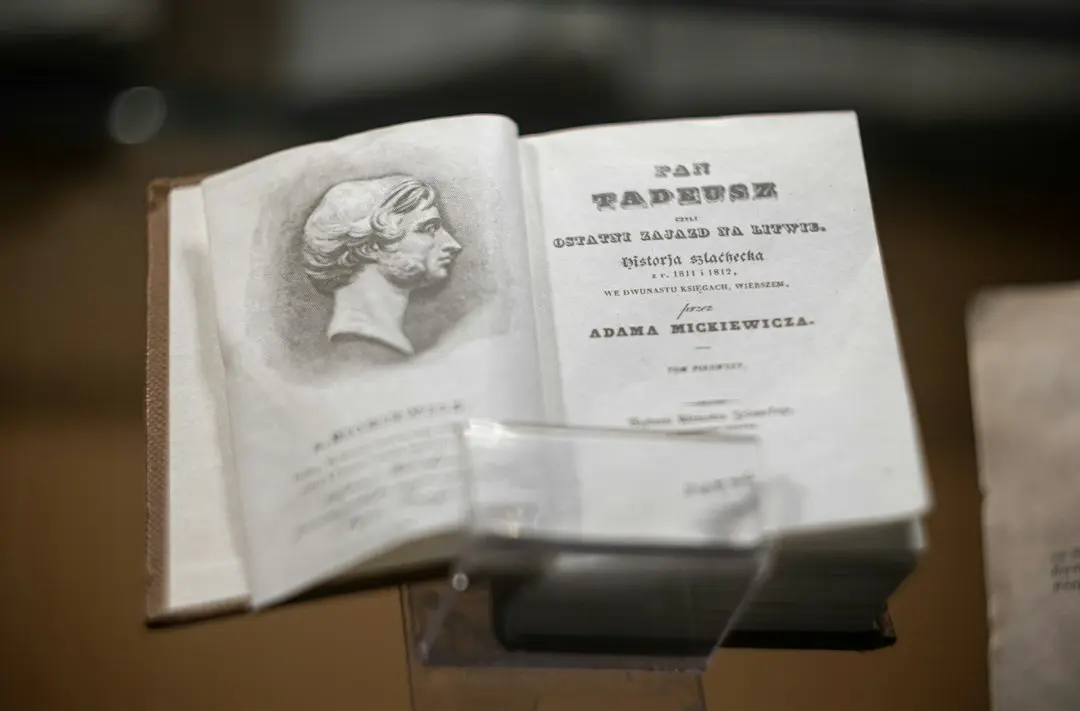 Chapel of Expiation: A Silent Witness to France’s Revolution
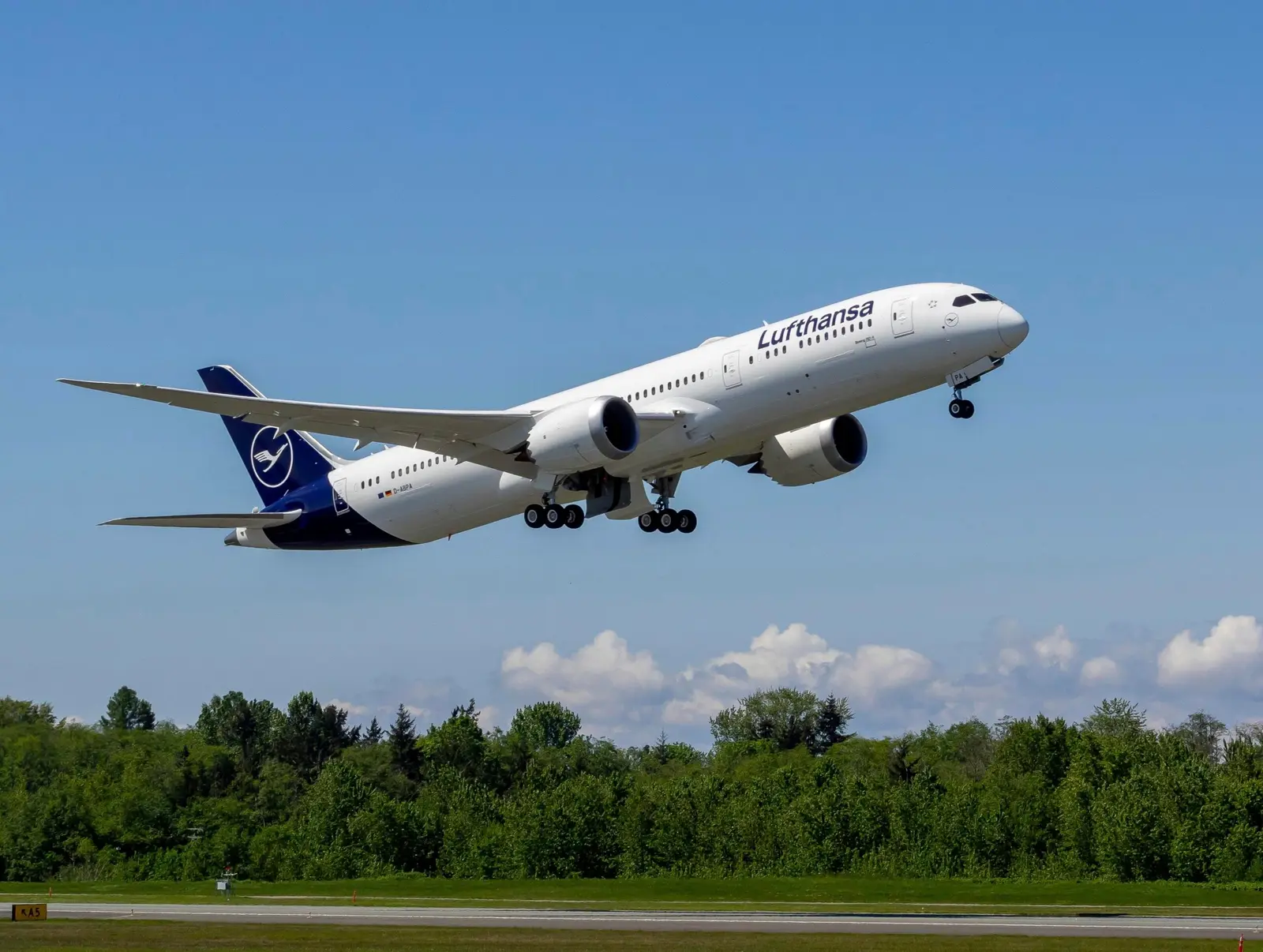 Lufthansa to Launch Columbus‑Frankfurt Direct Flights in 2027
The location sits in one of the city’s most dynamic districts. Finnieston has transformed into a trendy hub for culture and commerce. Despite the modern developments surrounding it, this ancient tree remains a fixed point of natural beauty. Its isolation makes it particularly notable among the built environment. The species is identified as Fraxinus excelsior, commonly known as the European Ash.
The sheer size of the tree sets it apart from typical street planting. Most urban trees struggle to reach such monumental proportions in dense city settings. This specific ash tree has likely been growing for many decades. Its roots anchor firmly in the soil near the historic housing stock. The canopy spreads wide, offering shade and visual relief from the grey masonry. For locals, it represents a connection to nature in a concrete landscape. The tree acts as a silent witness to the area’s transformation over time.
Why Is This Tree Significant to Finnieston?
The significance lies in its rarity and solitary status. Finding a single, large specimen in a busy commercial zone is uncommon. The tree provides ecological value by supporting local wildlife. Birds and insects rely on the branches for shelter and food. It also improves air quality in the immediate vicinity. Community members often view it as a cherished local icon. Its preservation highlights the balance between urban growth and green spaces. The tree’s health reflects the care taken by municipal authorities.
The outlook for this landmark depends on ongoing maintenance efforts. Urban trees face threats from pollution, limited root space, and disease. Monitoring the tree’s health will be crucial in the coming years. Conservation groups may advocate for protective measures around its base. The tree continues to define the character of Argyle Street. It reminds passersby that nature can thrive even in tight urban quarters. Future development plans must consider the tree’s needs to ensure its longevity.
Frequently Asked Questions
What species is the tree on Argyle Street? The tree is a European Ash, scientifically classified as Fraxinus excelsior. It is a native species to Europe and is known for its hardy wood and distinctive leaves.
Where exactly is this tree located in Glasgow? It stands along Argyle Street in the Finnieston district. The tree is positioned directly in front of a row of tenement flats, making it easily visible to pedestrians.
Why is this tree considered unique? Its uniqueness stems from its solitary position and impressive size. Unlike planted rows of trees, this single giant dominates the street view. It serves as a rare natural focal point in a trendy urban area.
Content written by Amelia Stone for travel-good.com editorial team, AI-assisted.