Grandma Tourism: Travelers Pay to Live Like Nonnas in Italy
From Pierogi to Pasta: The Rise of Nonna Experiences
A growing niche of Gen Z and millennial tourists is flocking to Italian towns to experience daily life as a traditional nonna. The trend, dubbed „NonnaMaxxing,” began in early 2024 and now includes guided cooking sessions, market runs, and afternoon tea rituals. Participants pay anywhere from €150 to €500 for a weekend that mimics a grandmother’s routine.
Latest news
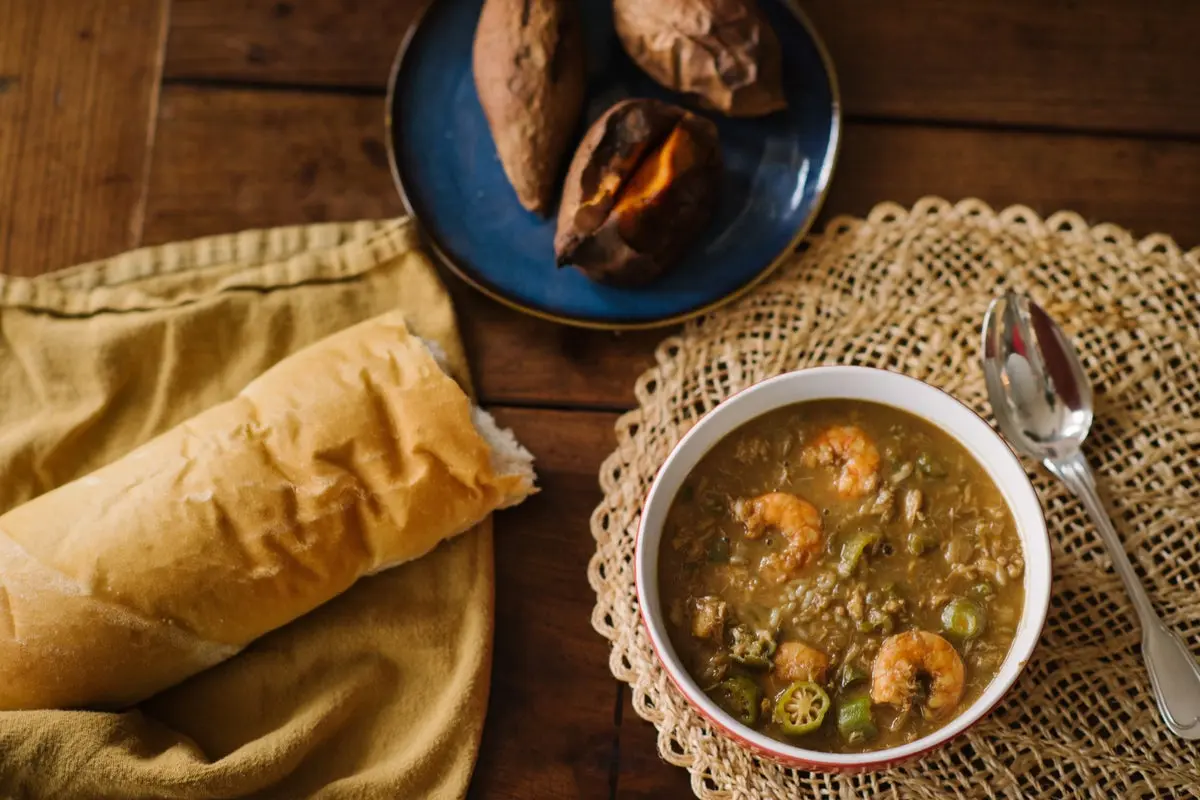 Gumbo reveals Louisiana's cultural fusion through its layered ingredients and cooking process
 The World's Top 'Cities to Watch' in 2026
 Newcastle NSW Offers Hidden Gems Beyond the Usual Tourist Spots
 What Timeshare Can Teach Hospitality About Experience-Led Loyalty
The appeal lies in authenticity and nostalgia. Travel agencies partner with local families to offer immersive itineraries that replace typical sightseeing with chores, storytelling, and home‑cooked meals. Researchers say the surge reflects a broader desire for slower, community‑focused travel after years of pandemic‑induced isolation. „People crave genuine connection, not just Instagram‑ready backdrops,” explains tourism analyst Luca Bianchi.
In the Veneto region, the „Nonna Immersion” package includes a market visit to select fresh produce, a hands‑on pasta‑making class, and an evening spent listening to family anecdotes. Participants report feeling „rooted” and „comforted” by the routine. Maria Rossi, a 68‑year‑old host, says she enjoys sharing recipes that have been passed down for generations. „It’s a chance to keep our culinary heritage alive while meeting curious travelers,” she notes.
Why Are Millennials Embracing Grandmother Travel?
Data from the Italian Tourism Board shows a 27 % increase in bookings for heritage‑home stays between March and June 2024. Similar programs have sprouted in Sicily, Sardinia, and even in diaspora communities across the United States, where Italian‑American families recreate nonna rituals for visitors. The trend is not limited to food; some tours incorporate knitting circles, gardening tips, and lullaby sessions, offering a holistic glimpse into the matriarchal lifestyle.
Young travelers often seek experiences that contrast with the fast‑paced digital world. „Living like a nonna forces you to unplug and savor simple pleasures,” says cultural sociologist Dr. Elena Ferri. The practice also aligns with the rise of „slow travel,” where tourists prioritize depth over breadth. Many participants cite a longing for intergenerational bonds, especially those who grew up distant from grandparents due to geographic mobility.
Economic factors play a role, too. As housing costs rise, the idea of a modest, home‑centered lifestyle resonates with those wary of consumerist pressures. Moreover, the authenticity of nonna hospitality offers a counter‑narrative to mass‑market tourism, allowing travelers to support local economies directly. The emotional payoff—feeling cared for and learning timeless skills—often outweighs the monetary cost.
The trend could reshape tourism strategies worldwide. If demand continues, more destinations may develop similar heritage‑home programs, potentially revitalizing rural economies and preserving cultural practices. Critics warn of commodifying intimate family moments, but proponents argue that respectful, well‑regulated experiences can foster cultural exchange without exploitation.
Frequently Asked Questions
What does a typical NonnaMaxxing itinerary include? It usually features a market trip, a cooking or craft workshop, shared meals, and storytelling sessions, all hosted by a local elder or family.
Is the experience suitable for solo travelers? Yes, many programs are designed for individuals, offering group activities that encourage interaction while maintaining a personal touch.
How can travelers ensure they respect the host’s traditions? Participants should follow the host’s guidelines, engage with humility, and avoid turning the experience into a performance; genuine curiosity and gratitude are key.
Content written by Marco Ricci for travel-good.com editorial team, AI-assisted.