
Living Without the Clock on the Edge of the Arctic Circle
The Reality of Eternal Daylight
On the remote Norwegian island of Sommarøy, residents launched a global movement in 2019 to officially abolish time. Located well above the Arctic Circle, the island experiences 69 days of continuous sunlight every summer. Locals argued that traditional clocks are irrelevant when the sun remains high in the sky throughout the night.
Latest news
 Seoul: The 24-Hour City Redefining Urban Travel
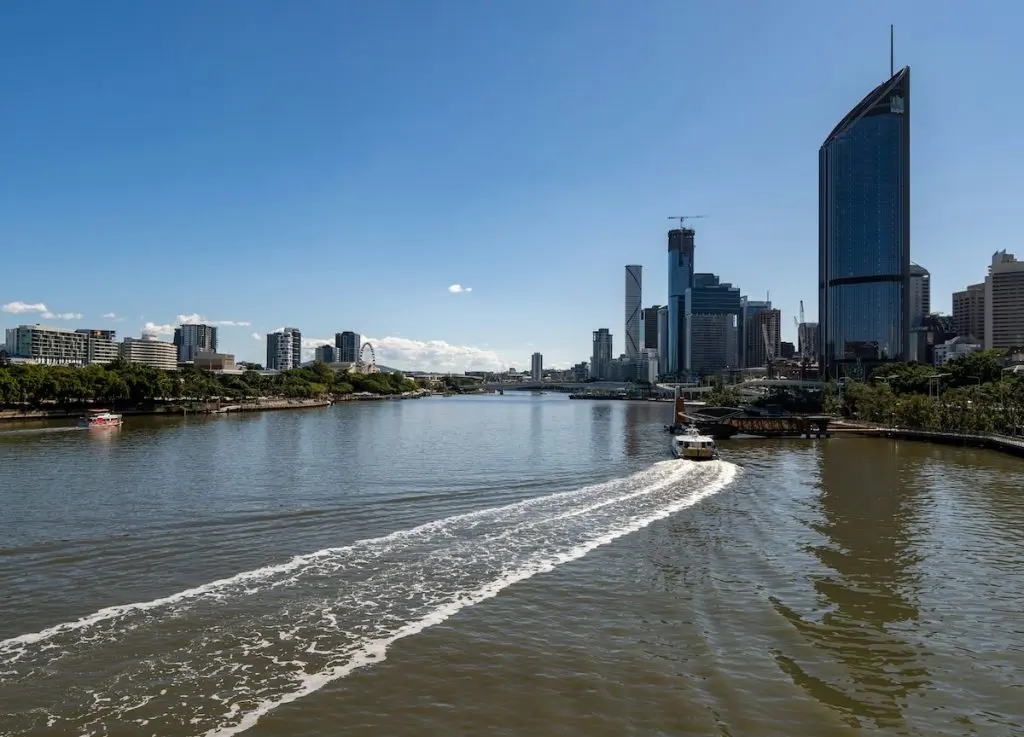 Hyatt brings Park Hyatt to Brisbane ahead of 2032 Games
 Dallas blends American history, walkable arts districts, and distinct neighborhoods into one compelling destination
 HSMAI MEA Launches New Spotlight Series on Industry Leaders
The campaign began as a playful protest against the rigid constraints of modern schedules. Islanders wanted the freedom to work, play, and sleep whenever they felt inclined rather than following a strict hourly routine. While the proposal was largely symbolic, it drew international attention to the unique lifestyle dictated by the Midnight Sun.
Life during the summer months on Sommarøy defies standard social norms. Without a sunset to signal the end of the day, the boundary between evening and morning vanishes. Children often play outside at midnight, and neighbors might mow their lawns or go fishing while the rest of the world sleeps.
Can Modern Society Truly Abandon the Clock?
This environment forces residents to rely on their internal rhythms rather than digital notifications. The absence of a traditional workday allows for a more fluid approach to productivity. Locals emphasize that the lack of timekeeping fosters a deeper connection to the natural environment and reduces daily stress.
Despite the charm of the proposal, the island remains tethered to the global economy. Most residents still acknowledge the necessity of time for coordination with the mainland, transportation, and business operations. The time-free zoneremains a philosophical ideal rather than a legal reality for the community.
Frequently Asked Questions
The movement highlights a growing desire for flexibility in a world obsessed with efficiency. While the clocks continue to tick on Sommarøy, the island serves as a reminder of how human behavior adapts to extreme environmental conditions. The dream of a timeless society continues to resonate with those seeking an escape from the relentless pace of modern life.
Does the island have no clocks at all? No, the proposal was a symbolic campaign to highlight the unique lifestyle of the region. Residents still use clocks to coordinate with the mainland and manage professional obligations.
Why did the residents want to abolish time? They wanted to embrace the freedom provided by 69 days of constant daylight. They believed that removing the pressure of the clock would allow for a more natural and relaxed way of living.