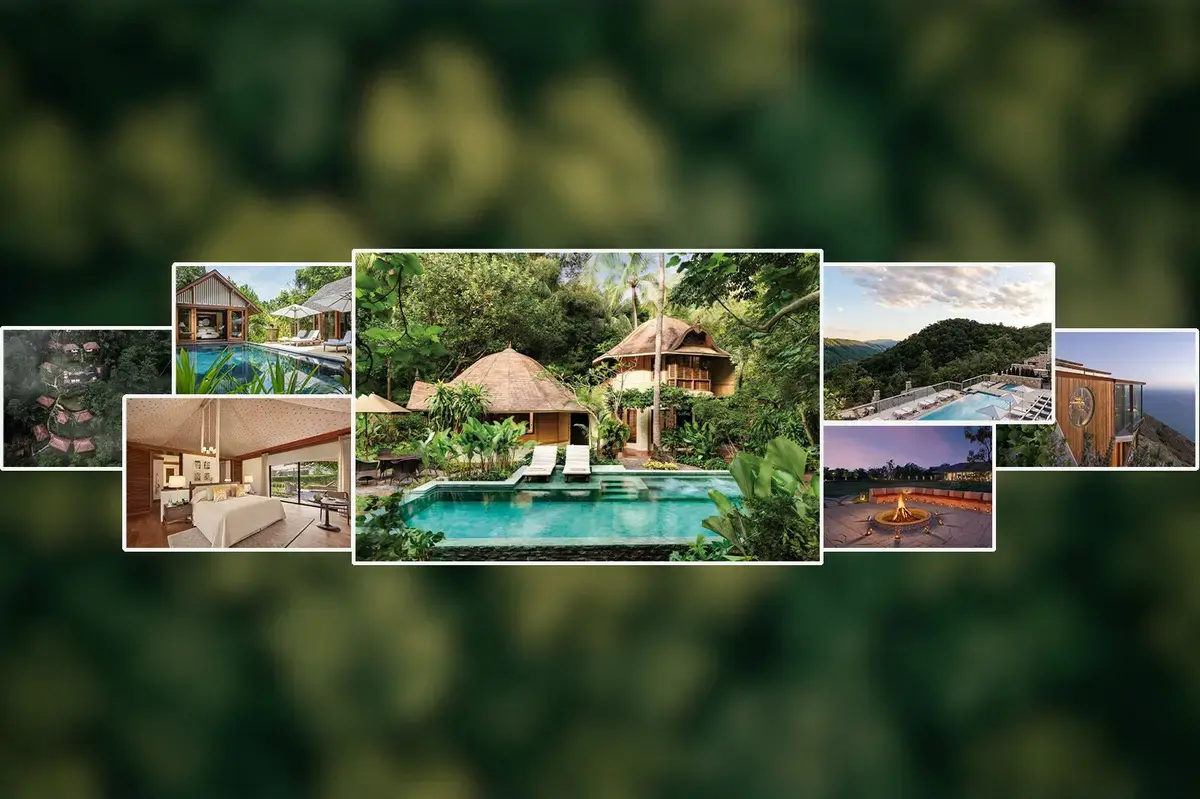
Luxury Resorts Thrive in the World’s Remaining Wild Forests
Hidden Gems in Southeast Asia’s Fragmented Rainforests
A new travel guide released this week highlights ten forest and jungle hotels that blend opulence with conservation. The properties span Southeast Asia, East Africa, and the Amazon basin, offering guests immersive experiences in ecosystems under intense pressure. Visitors can now book stays that promise both comfort and a chance to witness dwindling wilderness.
Latest news
 Santa Ana Travel Guide: 10 Best Things to Do & 4-Day Itinerary
 Glorious American Getaways That Seem Like Far‑Off Lands
 Best Credit Cards for Rental Car Elite Status
 Where to Eat, Stay, and Play in Medellín, Colombia's Eternally Cool City
The guide emphasizes that many of the world’s most pristine forests are now fragmented by agriculture and logging. Lowland rainforests in Indonesia and Malaysia have been cleared at alarming rates for palm oil and rubber, leaving only isolated pockets of canopy. In East Africa, ancient montane forests that survived the last Ice Age now fringe savanna landscapes, creating unique ecological borders.
Boutique lodges such as Borneo’s Canopy Hideaway sit atop surviving rainforest islands, offering canopy walkways and guided night walks. Manager Lina Hartono says the hotel’s revenue funds reforestation projects that plant native dipterocarp seedlings. Recent satellite data shows a 12 % increase in tree cover around the lodge since its opening in 2021.
Can East Africa’s Ancient Montane Forests Sustain Luxury Tourism?
Further south, Vietnam’s Mekong Delta hosts the Riverine Retreat, a resort built on stilts above mangrove swamps. The property sources all its food from on‑site aquaponic farms, reducing reliance on external supply chains. Guests report that hearing distant howler monkeys at dusk feels like stepping into a living documentary.
The Kilimanjaro Highlands Lodge sits on the edge of Tanzania’s Afro‑alpine forest, a relic of the Ice Age that now shelters endemic orchids and birds. Conservationist Dr. Amina Njoroge warns that increased foot traffic could disturb fragile soil microbes if not managed carefully. The lodge has introduced a visitor cap of 30 per day and funds a community school that teaches sustainable land use.
Kenya’s Maasai Plateau Resort partners with local Maasai clans to protect grazing corridors that intersect the forest. The resort’s „Eco‑Safari” program tracks wildlife movements using solar‑powered GPS tags, providing data to park rangers. Early results suggest a 15 % rise in sightings of the endangered African golden cat near the resort’s perimeter.
Luxury forest hotels are reshaping how travelers engage with threatened ecosystems, turning profit into preservation. As demand for authentic nature experiences grows, these properties could become vital allies in the fight against deforestation. Yet their success hinges on strict environmental safeguards and genuine community involvement.
Frequently Asked Questions
What criteria were used to select the hotels featured in the guide? Properties were evaluated on ecological impact, partnership with local conservation groups, and the authenticity of their forest immersion experiences.
Do these resorts provide employment for nearby communities? Yes, most lodges hire locally for roles ranging from guides to chefs, and they often fund education and health initiatives in surrounding villages.
Can guests expect a fully sustainable experience, or are there compromises? While many resorts strive for zero‑waste operations, some luxury amenities inevitably require resources; however, most offset their footprint through reforestation and renewable energy projects.
Content written by Sophie Chen for travel-good.com editorial team, AI-assisted.