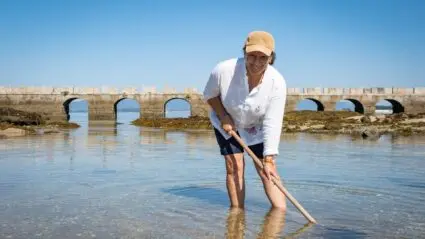
Meet the mariscadoras: northern Spain’s trailblazing all-women shellfish gatherers
For many, this work is not just a job but a source of pride and identity
In the coastal town of Cambados in Galicia, a group of women known as mariscadoras continue a centuries-old tradition of gathering shellfish by hand along the shoreline. This practice, passed down through generations, remains a vital part of local life and culture. Travel writer Diana Jarvis joined them recently as part of a new Intrepid Travel experience designed to showcase authentic regional customs. The women work at low tide, using rakes and baskets to collect clams, mussels, and other seafood from the rocky shores and sandy flats of the Rías Baixas. Their deep knowledge of the tides, seasons, and marine ecosystems allows them to harvest sustainably, ensuring the longevity of both their livelihood and the environment.
Latest news
 Laguna Beach Unveils 25 Must‑Try Experiences for Visitors and Locals Alike
 Oman Proves Ideal For Independent Road Trips
 Five Unique Ways to Explore Paris with Tauck Travel Experiences
 Santa Ana Travel Guide: 10 Best Things to Do & 4-Day Itinerary
For many, this work is not just a job but a source of pride and identity, rooted in Galician heritage and resistance to industrial fishing practices. How the mariscadoras protect Galicia’s coastline The mariscadoras operate under strict self-regulated rules that prioritize ecological balance. They avoid overharvesting by rotating collection zones and only taking mature shellfish, leaving younger ones to grow. This traditional ecological knowledge has been recognized by environmental groups as a model for sustainable coastal management. Charo Oliveira-Dominguez, one of the gatherers, explained that their methods have helped maintain healthy shellfish populations despite increasing pressures from pollution and climate change. „We listen to the sea,” she said. „It tells us when to work and when to rest.” Their efforts contribute to the region’s reputation for high-quality seafood, which supports local restaurants and markets.
In recent years, younger women have begun joining the ranks
In recent years, younger women have begun joining the ranks, inspired by the autonomy and connection to nature the work provides. What challenges do they face today? Despite their resilience, the mariscadoras face growing threats from industrial development, illegal fishing, and bureaucratic hurdles that limit their access to traditional grounds. Some areas once rich in shellfish have been degraded by runoff from agriculture and urban expansion. Additionally, the physical demands of the work—long hours bent over in cold water—make it difficult to attract and retain participants without better support. Advocacy groups are now working with the mariscadoras to secure legal recognition of their rights and to document their knowledge for future generations. There is also a push to include their practices in regional heritage lists, which could bring funding and protection.
Still, the women remain determined to keep their tradition alive, seeing it as both a cultural duty and a form of quiet resistance. Frequently Asked Questions How do the mariscadoras know where and when to gather shellfish? They rely on generations of accumulated knowledge about tides, lunar cycles, and beach conditions, passed down orally and through practice. This allows them to identify productive zones and avoid overused or environmentally sensitive areas. Is their shellfish gathering legally protected? While they operate under informal community agreements, they lack formal legal recognition of their rights to specific coastal zones, which activists are seeking to change through advocacy and documentation. Can visitors participate in their work? Yes, through responsible tourism initiatives like the Intrepid Travel experience, visitors can join the mariscadoras for a guided session to learn about their techniques and cultural significance, always under their supervision and respect.
Content written by Diana Jarvis for travel-good.com editorial team, AI-assisted.