
Minor Hotels Aims to Build a Vietnam Network Beyond Beach Resorts
Montira Rungjirajittranon, a company representative
Minor Hotels, the Thailand-based hospitality group, is shifting its strategy in Vietnam to develop a broader network of properties that cater to both international and domestic travelers. The move comes as rising domestic tourism and changing travel patterns reduce reliance on traditional beach resort markets. The company announced the new direction in late September 2026, signaling a strategic pivot from its earlier focus on overseas visitors seeking coastal getaways. For years, Minor Hotels concentrated its Vietnam portfolio on beachfront resorts popular with foreign tourists, particularly in destinations like Da Nang and Nha Trang. However, increasing numbers of Vietnamese travelers exploring their own country have prompted the group to diversify.
Latest news
 Delta Flight 2531 Forced to Declare Emergency After Passenger Disturbance
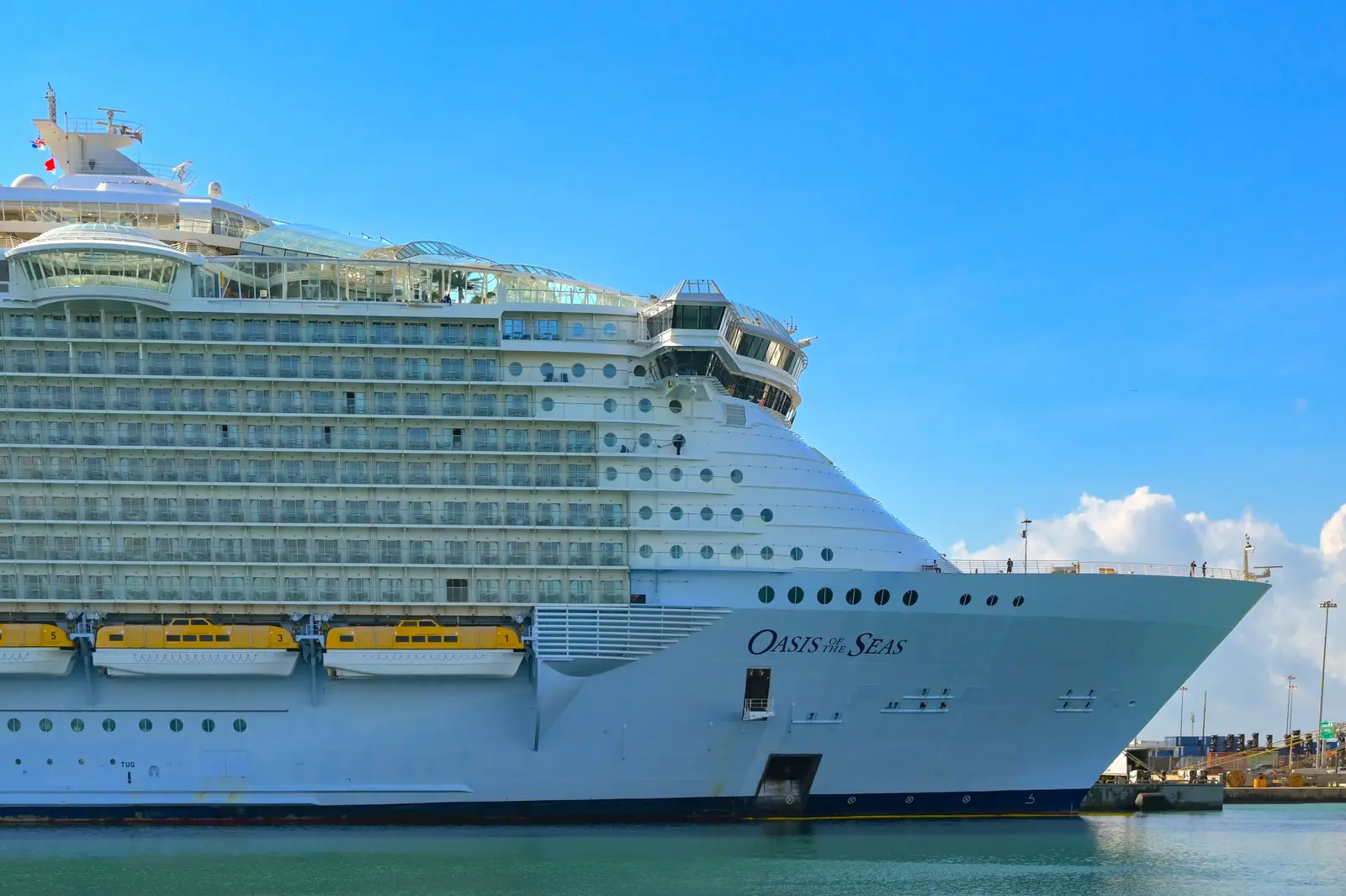 Royal Caribbean Cruise Diverts From Bahamas To Canada Amid Weather Concerns
 Chapel of Expiation: A Silent Witness to France’s Revolution
 Lufthansa to Launch Columbus‑Frankfurt Direct Flights in 2027
Montira Rungjirajittranon, a company representative, noted that the shift reflects evolving guest preferences and stronger local demand for varied accommodation options across urban and cultural hubs. How Domestic Travel Is Reshaping Minor Hotels’ Vietnam Strategy The rise in domestic tourism has been driven by improved infrastructure, higher disposable incomes, and government initiatives promoting local travel. Minor Hotels now plans to open properties in secondary cities and cultural destinations such as Hue, Hoi An, and the Mekong Delta region. These locations offer opportunities to attract Vietnamese families, couples, and solo travelers seeking weekend getaways or longer stays. The company is also adapting its service models to suit local tastes, including food offerings and leisure activities. What Role Will Luxury and Lifestyle Brands Play in the Expansion? Minor Hotels intends to leverage its portfolio of brands, including Anantara, Avani, and Oaks, to meet different segments of the growing market.
While luxury remains a component
While luxury remains a component, the group is placing greater emphasis on mid-scale and lifestyle hotels that appeal to younger, experience-driven travelers. Omar Romero, Chief Development and Luxury Officer, emphasized that flexibility in brand deployment will be key to capturing diverse guest needs across Vietnam’s evolving tourism landscape. Frequently Asked Questions Why is Minor Hotels moving away from a beach-only focus in Vietnam? The company is responding to strong growth in domestic travel, which reduces dependence on overseas tourists and allows for a more balanced, year-round business model across multiple regions. Which cities are priorities for Minor Hotels’ new Vietnam network? Secondary destinations such as Hue, Hoi An, and areas in the Mekong Delta are being targeted to capture domestic demand and diversify beyond established coastal resorts. How will Minor Hotels adapt its brands for Vietnamese travelers?
The group will tailor services, dining, and experiences to local preferences while using its range of brands—from luxury to mid-scale—to suit different traveler segments and budgets.
Content written by Montira Rungjirajittranon for travel-good.com editorial team, AI-assisted.