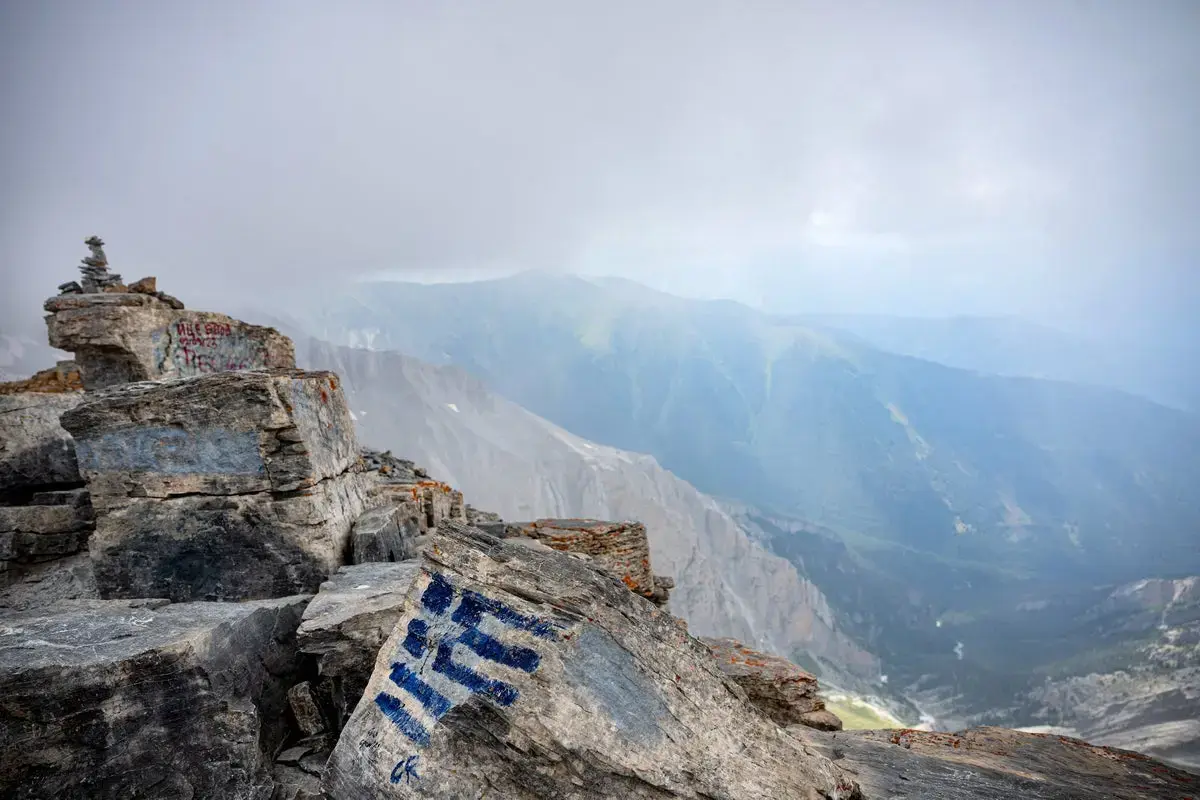
Mount Olympus and Normandy’s D‑Day Beaches Earn UNESCO World Heritage Status
Ancient Myth and Natural Splendor: Olympus’s New Protection
The United Nations Educational, Scientific and Cultural Organization announced on 26 July 2026 that Greece’s Mount Olympus and the historic D‑Day landing zones on France’s Normandy coast have been inscribed on its World Heritage List. The decision grants both sites heightened international recognition and eligibility for stronger preservation measures.
Latest news
 Phu Quoc: Vietnam’s Premier Tropical Island Escape
 Finding the Best Neighborhoods to Stay in Peru’s Coastal Capital
 Bomb Threat Diverts Tel Aviv Flight to Sofia
 Tracing Ancient Footsteps Through the Yucatán Wilderness
UNESCO’s cultural and natural criteria guided the inclusion. Olympus, renowned for its mythic ties to ancient Greek deities and its biodiversity, meets both cultural and natural thresholds. The Normandy beaches, where Allied forces launched the pivotal 1944 invasion, satisfy the organization’s historic significance standards. The listing process involved extensive documentation, expert evaluations, and consensus among member states, reflecting a shared commitment to safeguard humanity’s shared legacy.
Mount Olympus rises to 2,917 metres, dominating the landscape of northern Greece. Its slopes host rare plant species and serve as a refuge for endangered wildlife, while its peaks have inspired poets for millennia. The UNESCO designation will enable Greece to access technical assistance for habitat conservation and to monitor visitor impact more closely. Officials from the Greek Ministry of Culture noted that the status „strengthens our ability to preserve a site that is both a cradle of legend and a living ecosystem.” Funding opportunities now open for research projects aimed at restoring native flora and improving trail infrastructure.
What Does UNESCO Listing Mean for the D‑Day Beaches?
The five Normandy beaches—Utah, Omaha, Gold, Juno and Sword—mark the exact points where Allied troops first set foot on occupied Europe. Their inclusion acknowledges the beaches’ role in ending World War II and the sacrifices made by soldiers and civilians alike. French authorities plan to enhance interpretive centers, enforce stricter zoning regulations, and collaborate with veterans’ groups to maintain authenticity. A spokesperson for the French National Heritage Agency explained that UNESCO status „provides a framework for protecting the memory of the land while balancing the needs of local communities and tourists.” The listing also obliges France to submit regular reports on conservation efforts, ensuring ongoing oversight.
The dual inscription highlights a broader trend of recognizing sites that blend cultural narratives with natural landscapes. Both Olympus and the Normandy beaches stand to benefit from increased funding, heightened global awareness, and stronger legal safeguards. As UNESCO monitors compliance, the sites may serve as models for integrating heritage preservation with sustainable tourism. Their future protection will depend on collaborative stewardship among governments, scholars, and the public.
Frequently Asked Questions
Why were these particular sites chosen for UNESCO’s World Heritage List? Olympus satisfies criteria for both cultural mythology and natural biodiversity, while the Normandy beaches meet the historical significance benchmark for events that shaped the modern world. Their combined values align with UNESCO’s mission to protect outstanding universal heritage.
How will the new status affect conservation efforts? Member states can apply for UNESCO‑guided funding, technical expertise, and international monitoring. This support will help implement habitat restoration on Olympus and preserve the integrity of wartime artifacts on the D‑Day beaches.
Will tourism increase, and how will it be managed? Recognition often draws more visitors, but UNESCO requires management plans that limit environmental impact and respect historical authenticity. Both Greece and France have pledged to balance visitor access with preservation through controlled pathways and educational programs.
Content written by Amelia Stone for travel-good.com editorial team, AI-assisted.