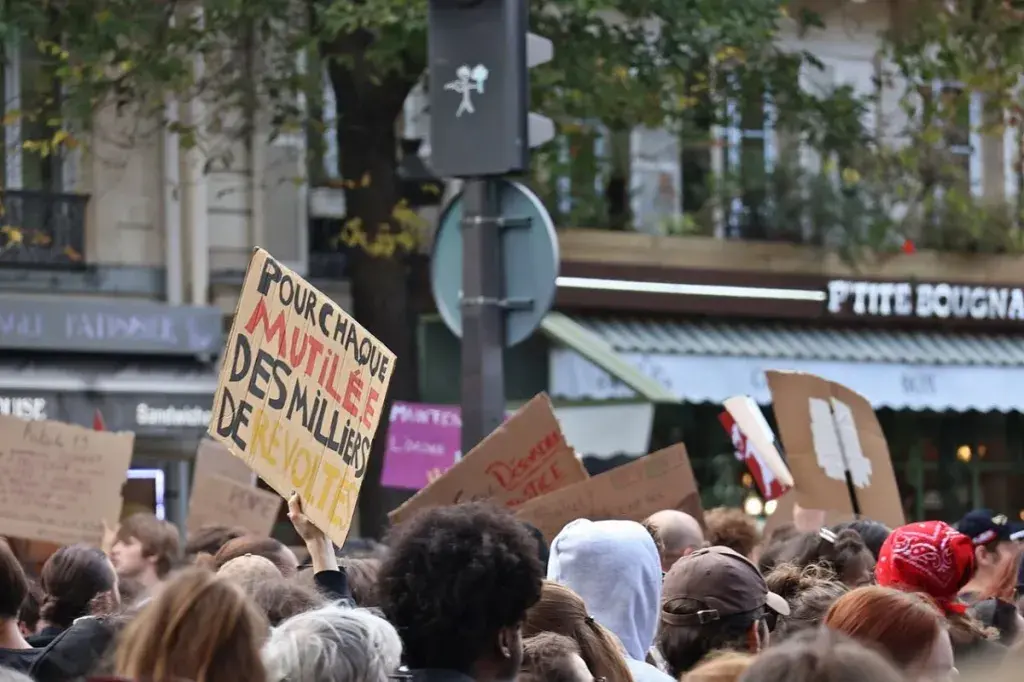
Protests Shut Paris’s Louvre and Spark Global Travel Alerts
The Louvre’s Unprecedented Closure and Its Ripple Effects
A massive wave of demonstrations across France and Europe has forced the Louvre Museum to close, prompting governments worldwide to issue new travel warnings. The protests, sparked by soaring living costs and concerns over the state of public schools, have drawn hundreds of thousands of citizens to the streets of Paris, Lyon, Marseille, and beyond. In response, several countries have advised their citizens to exercise caution when visiting France and neighboring nations.
Latest news
 Lufthansa to Launch Columbus‑Frankfurt Direct Flights in 2027
 The Vibrant Pulse of Salvador: A City That Feels Like Home
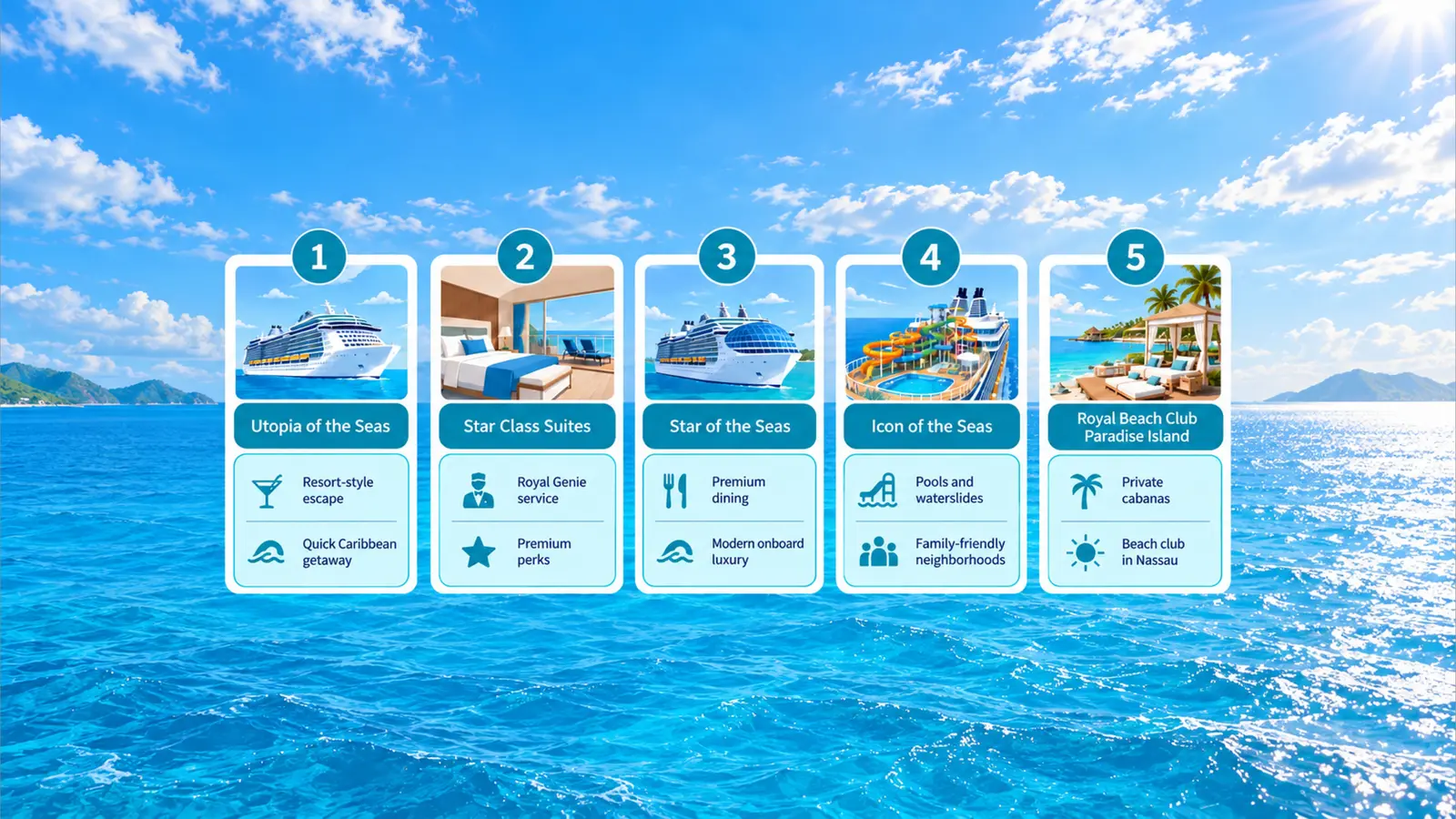 Royal Caribbean’s New $3 Billion Move Brings Sandals Resorts into Its Fleet
 U.S. Travelers May Face Curfews in France Amid Ongoing Unrest
The unrest began on Saturday evening when thousands gathered in Paris’s historic districts to voice grievances about inflation, rising food prices, and perceived neglect of the education system. Protesters marched through the Île de la Cité, the Latin Quarter, and the Champs‑Élysées, demanding government action on economic inequality. By Sunday, the demonstrations had spread to major cities across the country, with some clashes between demonstrators and police reported in Marseille and Lyon. The Louvre, one of the world’s most visited cultural institutions, was forced to shut its doors for the weekend, a first in its 200‑year history.
How Are Governments Responding? What Should Travelers Do?
The Louvre’s decision to close was driven by security concerns and the sheer scale of the protests. Authorities feared that large crowds could overwhelm the museum’s security infrastructure, potentially leading to vandalism or violence. The museum’s director announced that the closure would last until Monday, citing the need to protect both visitors and the priceless artworks housed within. The shutdown has already cost the museum an estimated €5 million in lost revenue, according to a preliminary estimate from the French Ministry of Culture.
Tourists who had booked visits or were planning trips to Paris have been left scrambling to adjust itineraries. Hotels in the city’s central districts reported a 12% drop in bookings for the weekend, while airlines announced a temporary suspension of flights to Paris from several European hubs. The French government has urged travelers to stay informed about the evolving situation and to consider alternative destinations within France, such as Lyon, Bordeaux, or the French Riviera, where protests have not yet escalated.
The Economic and Cultural Impact of the Protests
Several countries have updated their travel advisories to reflect the growing unrest. The United Kingdom’s Foreign Office now recommends that British citizens avoid non-essential travel to France until further notice, while Canada’s travel department has issued a Level 3 alert, urging citizens to exercise heightened caution. Germany’s Foreign Office has advised its nationals to stay alert and to keep emergency numbers handy. These advisories are part of a broader trend, as neighboring nations such as Spain, Italy, and Switzerland have also issued warnings about potential disruptions.
Travelers are advised to monitor local news and official government updates closely. If a trip to France is already planned, authorities suggest contacting the embassy or consulate for the latest guidance. In many cases, airlines and travel agencies are offering flexible rebooking options or refunds for affected flights. For those who decide to stay in France, it is essential to remain in safe, well‑lit areas and to avoid large gatherings. The French police have increased patrols in major cities, and public transport services have adjusted schedules to accommodate the altered flow of people.
Frequently Asked Questions
The protests have highlighted the growing frustration with France’s cost‑of‑living crisis, especially among younger generations. Economists warn that continued unrest could deter foreign investment and damage France’s reputation as a global business hub. Cultural institutions, already strained by the COVID‑19 pandemic, face additional financial pressures as visitor numbers decline. The Louvre’s closure has set a precedent that may influence other museums and heritage sites, potentially leading to a broader slowdown in tourism across the country.
Looking ahead, the French government has pledged to address the root causes of the protests by increasing subsidies for low‑income families and investing in public schools. Whether these measures will quell the unrest remains uncertain. Meanwhile, travelers must weigh the risks against the allure of France’s rich cultural offerings, as the country’s tourism industry seeks to recover from the pandemic and the current wave of demonstrations.
Content written by Bailey Schulz for travel-good.com editorial team, AI-assisted.