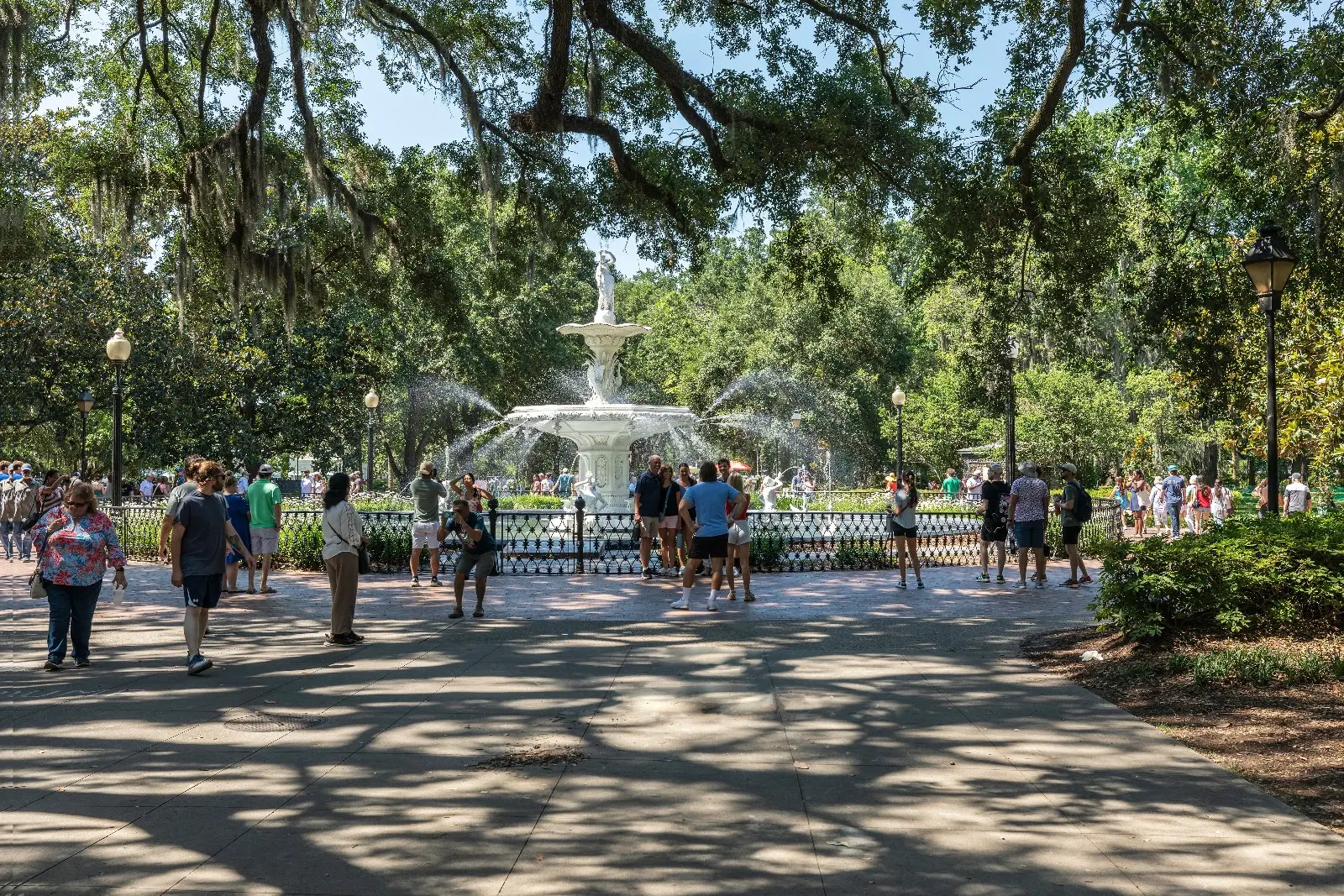
Skip the Rental Car: US Towns Built for Walkers
Historic Grids and Island Life
Across the United States, a significant number of travelers can bypass the standard rental car counter entirely. These specific American destinations feature compact layouts and robust public transit systems. Tourists often arrive at airports only to find that driving is unnecessary for their primary activities. This shift challenges the long-held belief that a vehicle is mandatory for exploring the country.
Latest news
 TSA Hologram of Homeland Security Chief Greets Thanksgiving Travelers at Major Hubs
 Business Travelers Face Another Round of Airfare Hikes in 2027
 Virgin Atlantic Holidays opens flagship store in London
 Eat Your Way Through Seoul's Iconic Neighborhoods
The traditional travel model assumes a car is the first step of any vacation. This habit stems from decades of suburban expansion and highway development. However, many historic American cities were designed before the automobile dominated daily life. Geography also played a crucial role in shaping these walkable environments. Narrow streets and dense urban cores make driving inefficient and often frustrating.
Several coastal and historic towns offer complete freedom from vehicle dependency. In places like Savannah, Georgia, or Charleston, South Carolina, the street grids are tight and pedestrian-friendly. Visitors can access museums, restaurants, and historic sites on foot. The architecture itself encourages walking, with shaded sidewalks and short distances between major attractions.
Why Driving Is Not Always Better
Island destinations present another compelling option for car-free travel. St. John in the U. S. Virgin Islands bans private cars on its roads. Residents and tourists rely on golf carts, buses, or their own feet. This restriction preserves the island's natural beauty and reduces traffic congestion. Similarly, parts of New York City and Boston offer such extensive subway and bus networks that a car becomes a liability rather than an asset.
Transit infrastructure in these areas is not just available; it is the primary mode of transport. Local governments have invested heavily in reliable public transportation options. Fares are often affordable, and routes connect directly to airport terminals. This setup allows visitors to drop off luggage and begin exploring immediately. The stress of finding parking or navigating unfamiliar highways disappears completely.
Choosing to skip the rental car offers more than just convenience. It significantly reduces the environmental footprint of a short vacation. Fewer idling engines mean lower carbon emissions in sensitive areas. Financially, avoiding rental fees, insurance add-ons, and gas costs can save hundreds of dollars. This budget flexibility allows travelers to spend more on experiences and dining.
Safety is another critical factor. Pedestrian-friendly zones reduce the risk of accidents involving tourists unfamiliar with local road rules. In dense historic districts, driving can actually hinder exploration due to limited parking availability. Many popular spots have strict parking restrictions that result in heavy fines for visitors. Walking eliminates these financial and logistical headaches entirely.
Frequently Asked Questions
Local businesses also benefit from car-free tourism. Foot traffic drives revenue for small shops and cafes that might be overlooked by passing cars. The slower pace of walking encourages spontaneous discoveries and deeper engagement with the community. Travelers often report feeling more connected to their destination when they move at human speed.
Are there airports in these areas with direct transit links? Yes, many car-free destinations have direct bus or rail connections from major airports. This allows travelers to bypass traffic and parking issues immediately upon arrival.
Is public transportation reliable enough for a full vacation? In the highlighted cities and islands, transit systems are the primary mode of transport for locals. They operate on consistent schedules and cover all major tourist attractions efficiently.