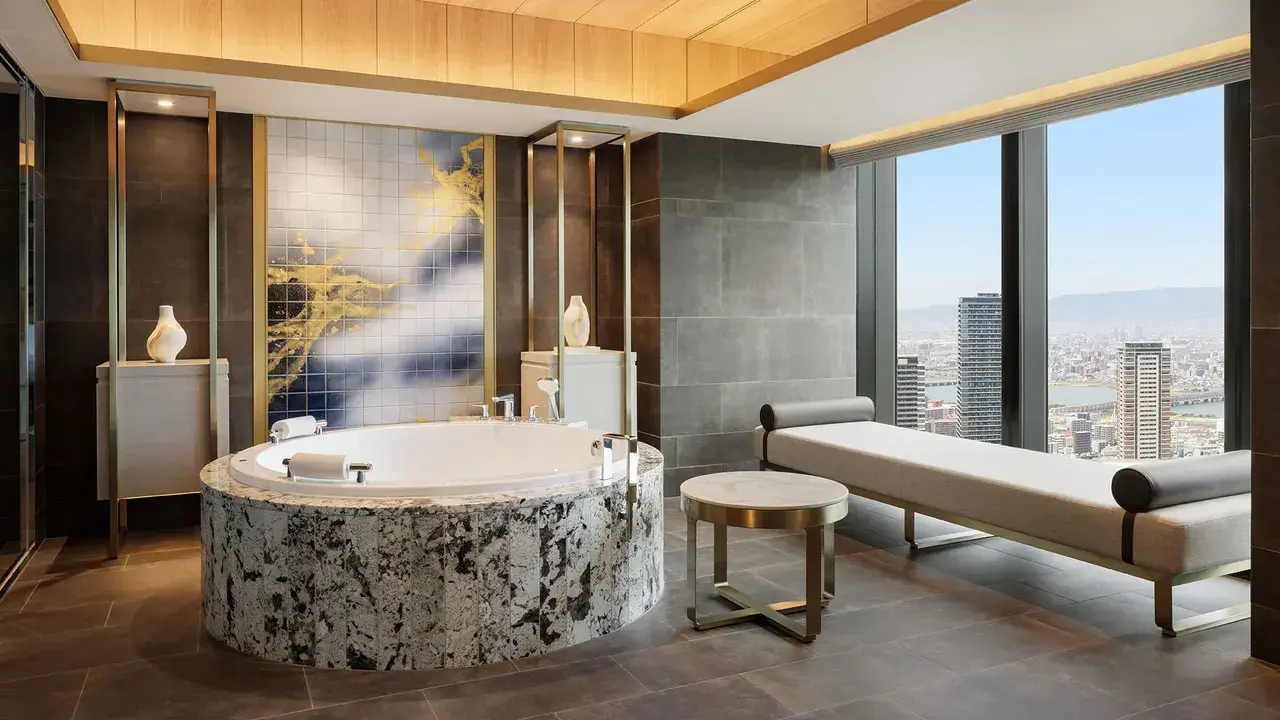
The Best Affordable Hotels in Japan, From Historic Tokyo Stays to Kyoto Boutiques
What Makes These Hotels Stand Out Beyond Price?
Before you start planning your next visit, consult our list of the cheapest nicest hotels in Japan. These accommodations offer comfort and character without breaking the bank, spanning historic inns in Tokyo to modern boutiques in Kyoto. Travelers seeking value can find well-located options that blend traditional hospitality with contemporary amenities, making them ideal for both first-time visitors and seasoned explorers. The recommendations come from extensive on-the-ground research focused on balancing price, location, and guest experience across Japan’s most popular destinations.
Latest news
 Santa Ana Travel Guide: 10 Best Things to Do & 4-Day Itinerary
 Glorious American Getaways That Seem Like Far‑Off Lands
 Best Credit Cards for Rental Car Elite Status
 Where to Eat, Stay, and Play in Medellín, Colombia's Eternally Cool City
Many of these hotels occupy restored buildings, such as former merchant houses or early 20th-century inns, preserving architectural details while updating rooms with modern comforts. In Tokyo, properties in neighborhoods like Asakusa and Kagurazaka provide easy access to temples and transit, often including breakfast or bike rentals. Kyoto’s selections emphasize proximity to cultural sites, with some offering tea ceremony experiences or guided walking tours. Price points typically range from $80 to $150 per night, significantly below luxury averages, yet consistently rated highly for cleanliness and service.
How Do Seasonal Changes Affect Availability and Rates?
Beyond affordability, these properties distinguish themselves through thoughtful design and local integration. Several feature rooftop views of city skylines or garden courtyards that provide quiet retreats from urban energy. Staff often speak multiple languages and offer personalized tips on hidden restaurants or seasonal events not found in guidebooks. A notable example is a family-run hotel in Kanazawa that serves homemade breakfast using ingredients from nearby markets, reflecting a commitment to authentic, community-based hospitality. Guest reviews frequently highlight the warmth of interactions as a key factor in their satisfaction, sometimes valuing it more than room size or amenities.
Availability and pricing shift noticeably with Japan’s seasonal rhythms, requiring strategic timing for the best deals. Cherry blossom season in March and April sees demand spike, pushing even budget rates higher, while late autumn brings similar crowds for fall foliage. Conversely, January and February, excluding New Year’s week, offer the lowest prices and shortest lines at attractions. Summer months can be humid but present opportunities for festival stays, especially in rural areas where hotels adjust rates to attract visitors during Obon. Flexible travelers who avoid peak weeks can save up to 30% compared to high-season prices, according to tracking data from recent years.
Are these hotels suitable for travelers with large luggage? Many properties now offer elevator access and spacious entryways, though some older buildings may have narrow staircases; checking room details in advance is advised.
Frequently Asked Questions
Do any of these accommodations provide long-stay discounts? Several hotels reduce nightly rates for stays of five nights or more, particularly during weekdays, making them practical for remote workers or extended cultural visits.
Is it common for these hotels to require cash payment? While credit cards are widely accepted, a few smaller inns still prefer cash, so carrying yen is recommended as a backup option.
Content written by Yukari Sakamoto for travel-good.com editorial team, AI-assisted.