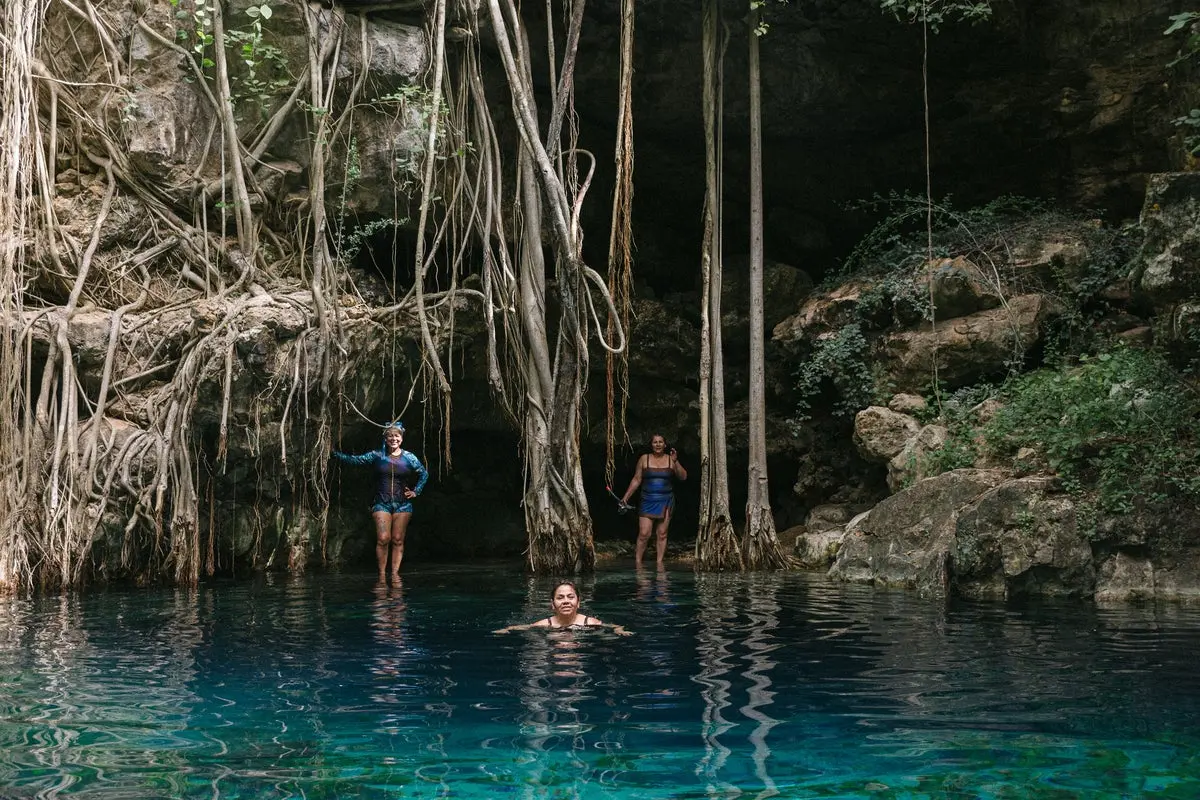
The Mayan camino that reveals jungle ruins with a dark past
We are simply guests, walking through a place that has existed long before us
Before we enter the jungle, we ask for permission. This land is not ours. We do not own it.
Latest news
 Delta Flight 2531 Forced to Declare Emergency After Passenger Disturbance
 Royal Caribbean Cruise Diverts From Bahamas To Canada Amid Weather Concerns
 Chapel of Expiation: A Silent Witness to France’s Revolution
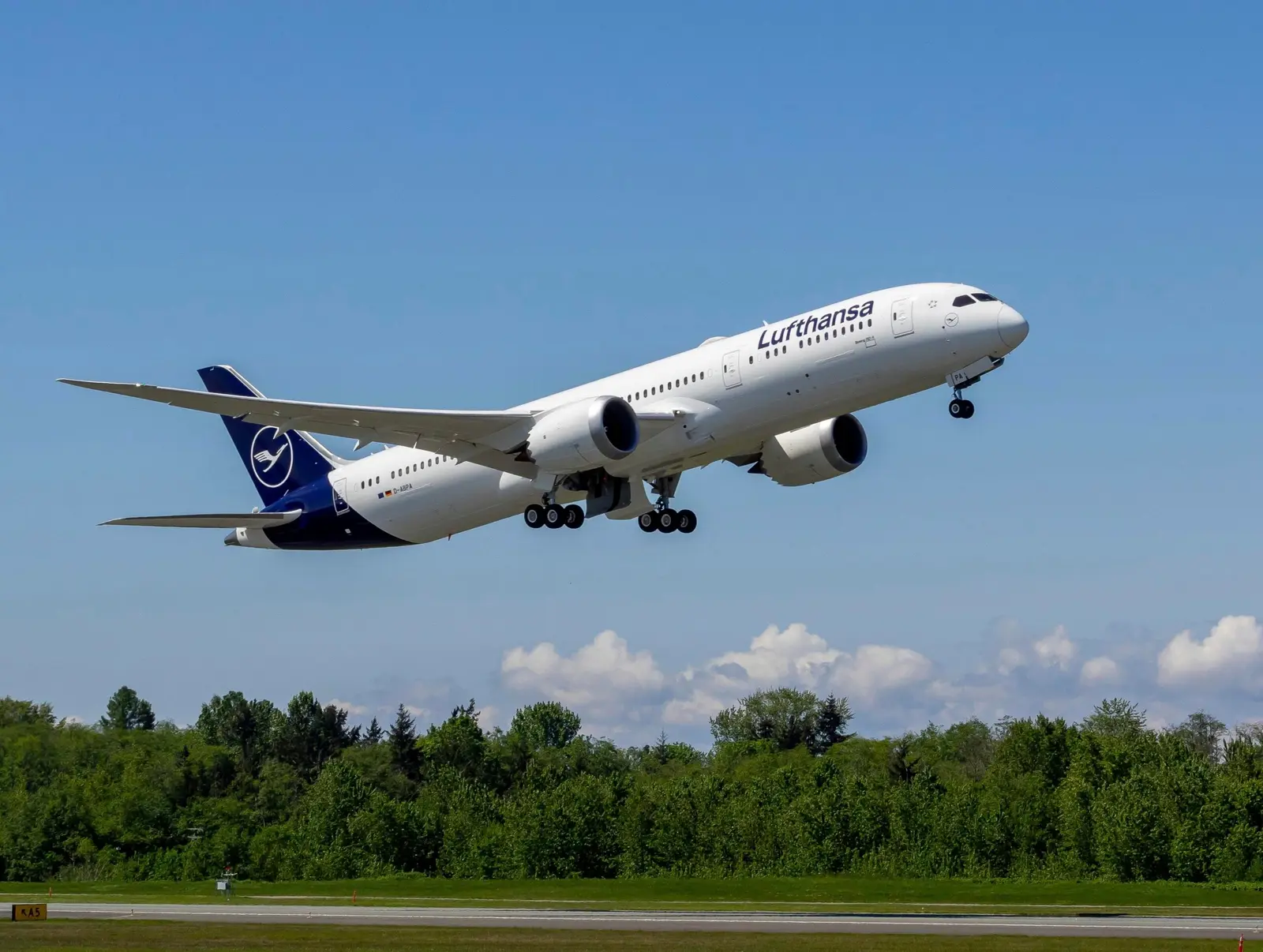 Lufthansa to Launch Columbus‑Frankfurt Direct Flights in 2027
We are simply guests, walking through a place that has existed long before us. Fernando, our guide, lays a cloth on the floor of the scrub path – on it, he places a corn seed to signify life, family and community; a gourd once used to carry water; a dog’s skull to remind us of those who came earlier; and a candle to lift us when we get tired. Our family was about to embark on a three-day section of the Camino del Mayab, a 68-mile (110km) walking and cycling trail near Mérida on Mexico’s Yucatán peninsula. While the normal walking distance on the Camino del Mayab is around 20km per day, we went in late June, and the guides advised us to limit each day to 10km because of the heat and humidity. And boy was it hot.
A staggering 30C by 9am on the first day.
We sweated our way along the poker-straight path; a disused railway that dated back to the Yucatán Peninsula’s 19th-century hacienda era, when thehenequencrop (aka sisal) was in high demand for worldwide rope manufacture.open image in galleryThe ruins of a hacienda in the Yucatán Peninsula(Rachel Ifans)During that time, plantation estates (haciendas) sprang up across the peninsula to meet the booming trade, with some operating under their own laws and currencies. It is a dark past: local hacienda workers (typically of Maya heritage) were essentially enslaved by their hacienda owners, with debts that they could never hope to pay back. The demand for thehenequencrop died out in the 1950s, and a jungle flourished in its place.
Content written by Rachel Ifans for travel-good.com editorial team, AI-assisted.