The Vibrant Pulse of Salvador: A City That Feels Like Home
The Soundtrack of Everyday Life
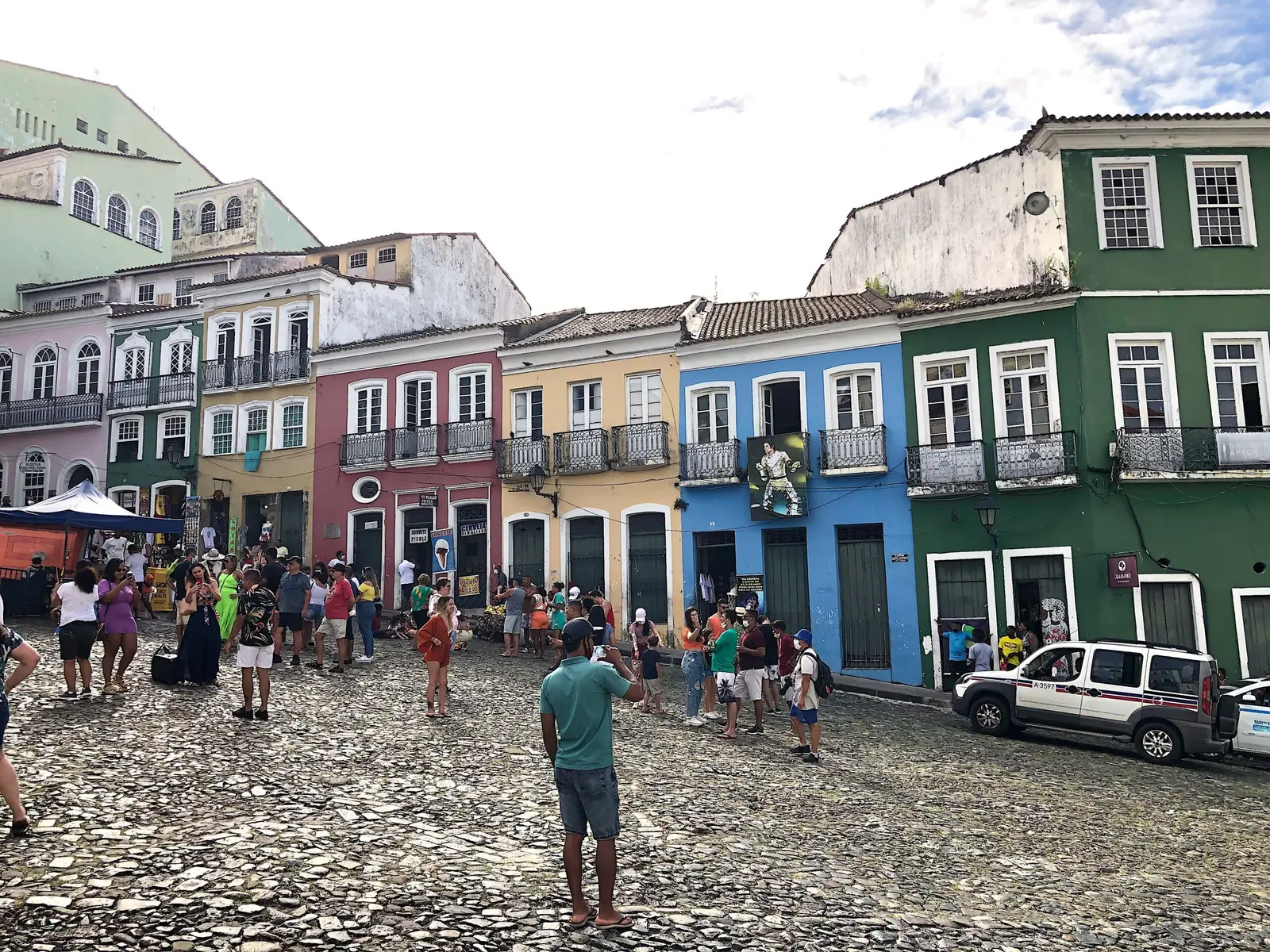
In early 2025, a traveler from Miami found themselves wandering the historic streets of Salvador, Brazil. Despite being 4,000 miles away, the city’s rhythms and faces felt oddly familiar, as if the world had folded closer together. The journey began in Pelourinho, the colonial heart of Salvador, where vendors lined cobblestone alleys and musicians played beneath bright, painted balconies.
Latest news
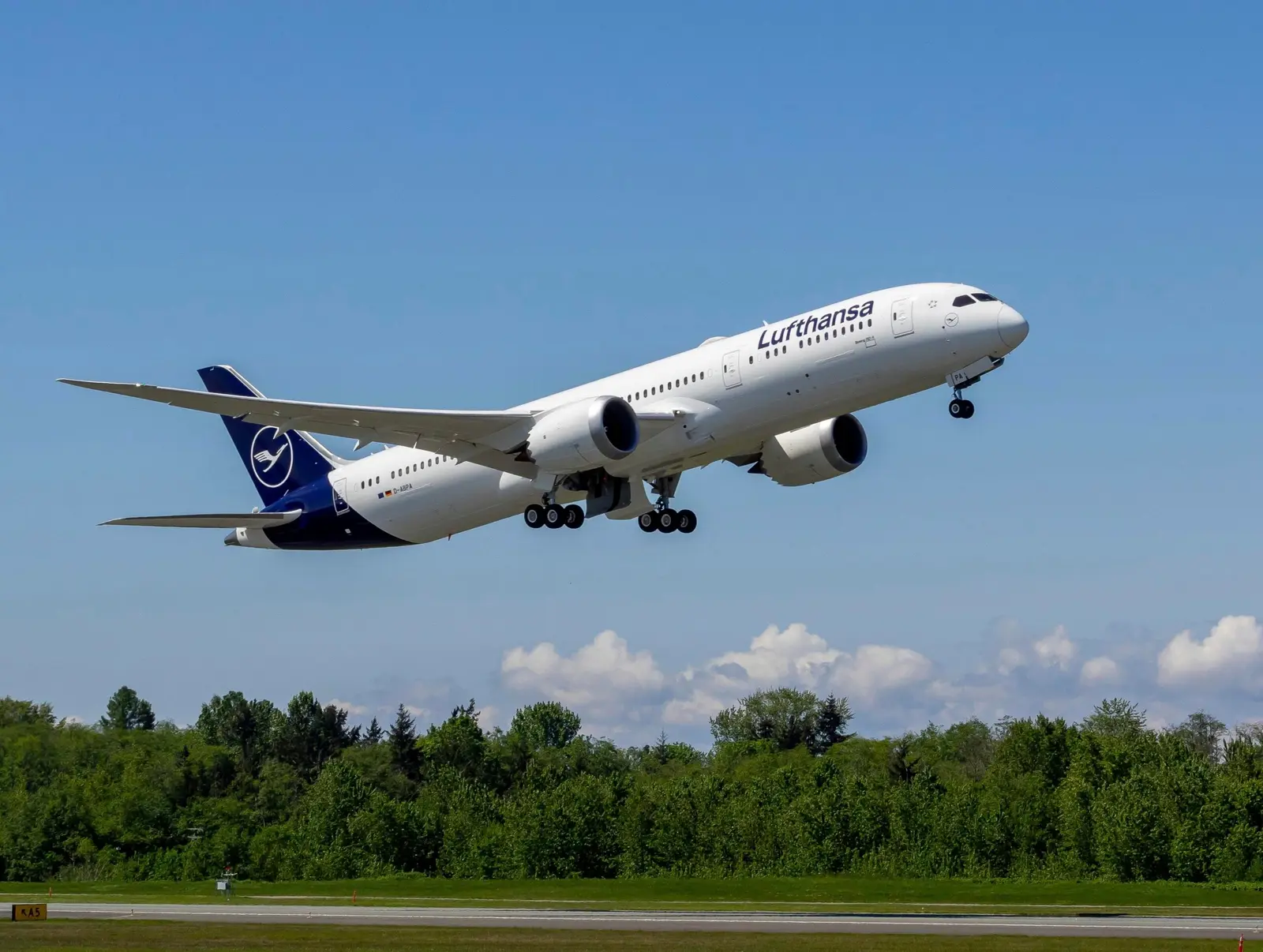 Lufthansa to Launch Columbus‑Frankfurt Direct Flights in 2027
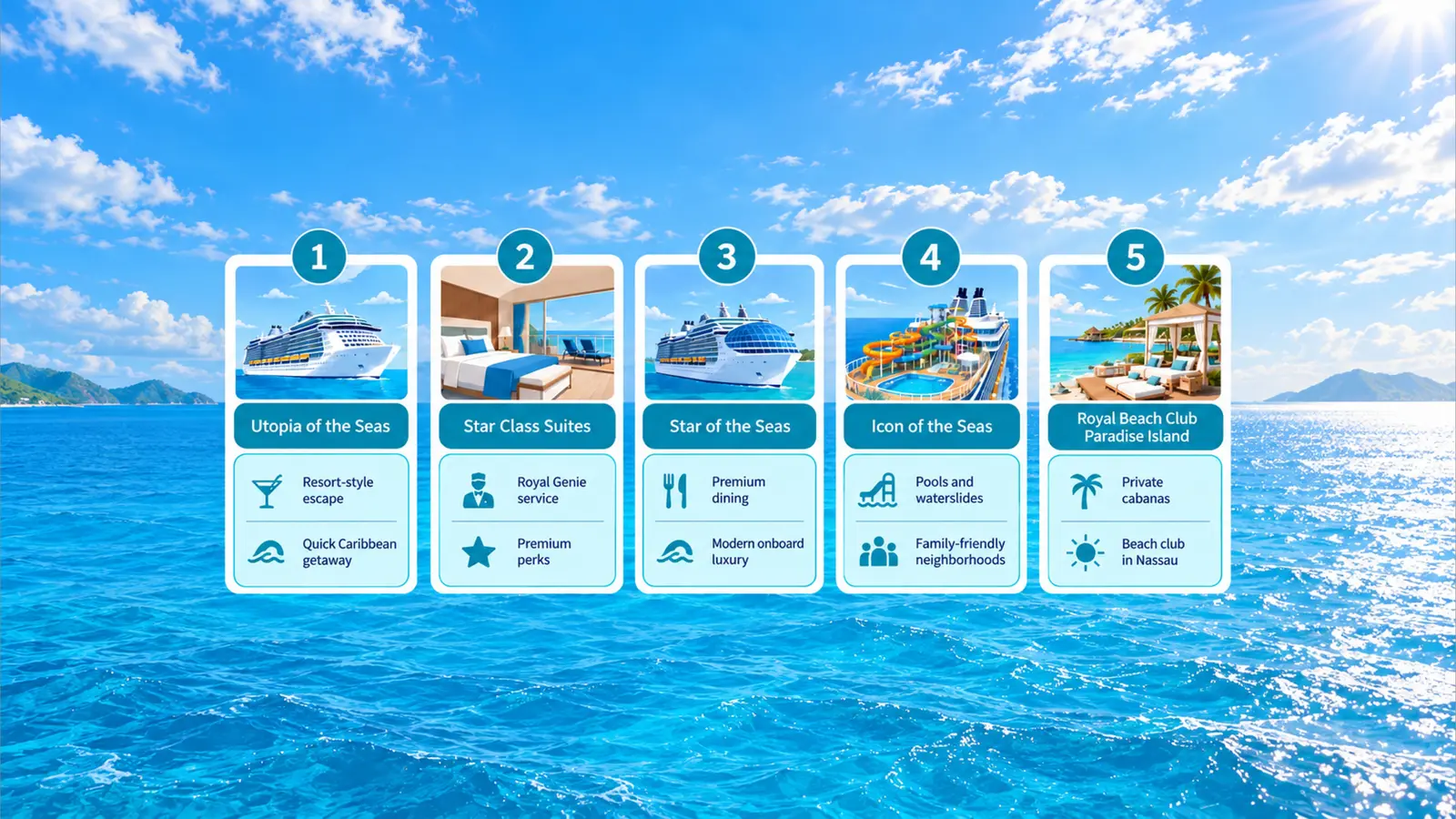 Royal Caribbean’s New $3 Billion Move Brings Sandals Resorts into Its Fleet
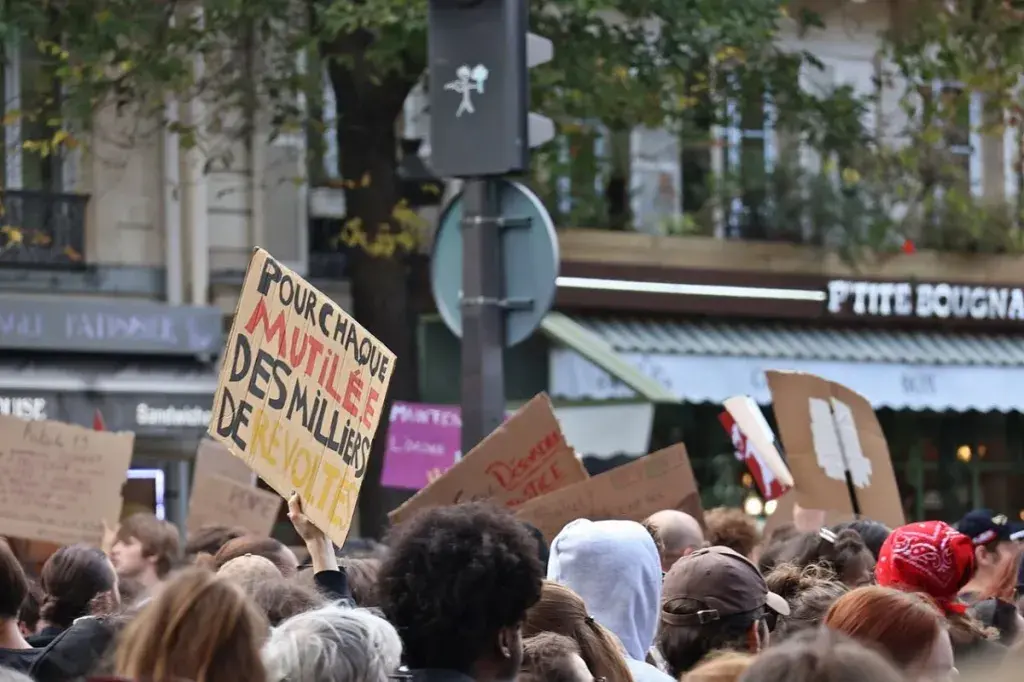 Protests Shut Paris’s Louvre and Spark Global Travel Alerts
 U.S. Travelers May Face Curfews in France Amid Ongoing Unrest
The streets of Pelourinho are a living museum, but they are also a living community. Black Brazilians, the city’s majority, move through daily life with a graceful choreography that blends work, music, and conversation. Vendors offer fresh fruit, handmade crafts, and street food, while women chat in the shade of colorful façades. Musicians, often carrying small instruments, add a soundtrack that is both spontaneous and deeply rooted in Afro-Brazilian heritage. The city’s history as a former slave trade hub is visible in its architecture, yet its present is a vibrant celebration of resilience and culture.
How Does Salvador’s History Shape Its Present?
The music that fills Salvador’s streets is more than entertainment; it’s a cultural lifeline. Traditional rhythms such as axé, samba, and forró echo from open windows, while street performers weave improvisation into the fabric of the city. A local musician, who prefers to stay anonymous, explained that the music is „a language that everyone understands, regardless of background.” This shared sonic experience creates an atmosphere of unity and belonging, drawing both locals and visitors into a communal celebration.
The city’s culinary scene also reflects its diverse heritage. Street stalls sell acarajé, a deep‑fried ball of black-eyed pea dough, topped with vatapá and shrimp. The flavors are bold and comforting, offering a taste of home to those who have traveled far. Cafés and restaurants line the streets, serving dishes that blend African, Indigenous, and Portuguese influences. The result is a culinary map that invites exploration and conversation.
What Makes Salvador a Magnet for Tourists and Locals Alike?
Salvador’s past as a major port for the transatlantic slave trade has left a profound imprint on its cultural landscape. The city’s architecture, with its narrow streets and colonial façades, serves as a reminder of a painful history. Yet, the community has turned these spaces into living museums, preserving stories and traditions that honor those who endured. The city’s museums, such as the Afro-Brazilian Museum, provide educational tours that contextualize the struggle for freedom and the ongoing fight for equality. These institutions play a crucial role in shaping the city’s identity and fostering a sense of collective memory.
The city’s social fabric is woven through community events and festivals. The annual Carnival, for instance, showcases the fusion of music, dance, and art, drawing millions of visitors each year. Local artisans create vibrant costumes and elaborate floats, turning the streets into a kaleidoscope of color and movement. These celebrations reinforce Salvador’s reputation as a cultural hub and highlight the city’s capacity to transform historical trauma into artistic expression.
Salvador’s appeal lies in its authenticity and accessibility. Visitors can walk through Pelourinho’s cobblestone streets, hear the music, taste the food, and feel the warmth of its people without the need for elaborate tours. The city’s affordable accommodations and vibrant nightlife make it an attractive destination for travelers seeking an immersive experience. Moreover, the city’s commitment to preserving its heritage while embracing modernity ensures that both locals and tourists find a welcoming environment.
Frequently Asked Questions
The city’s tourism board has invested in infrastructure that supports sustainable growth. New bike lanes, improved public transportation, and expanded cultural centers have made Salvador more navigable and environmentally friendly. These initiatives help preserve the city’s historical sites while encouraging responsible tourism that benefits the local economy.
The consequences of this dynamic are profound. Salvador’s cultural vibrancy attracts international attention, boosting the city’s economy and providing opportunities for local artisans and performers. However, the influx of visitors also poses challenges, such as overcrowding and the risk of cultural commodification. Balancing growth with preservation will be essential for maintaining Salvador’s unique character.
Content written by Carlos Omar Gardinet for travel-good.com editorial team, AI-assisted.