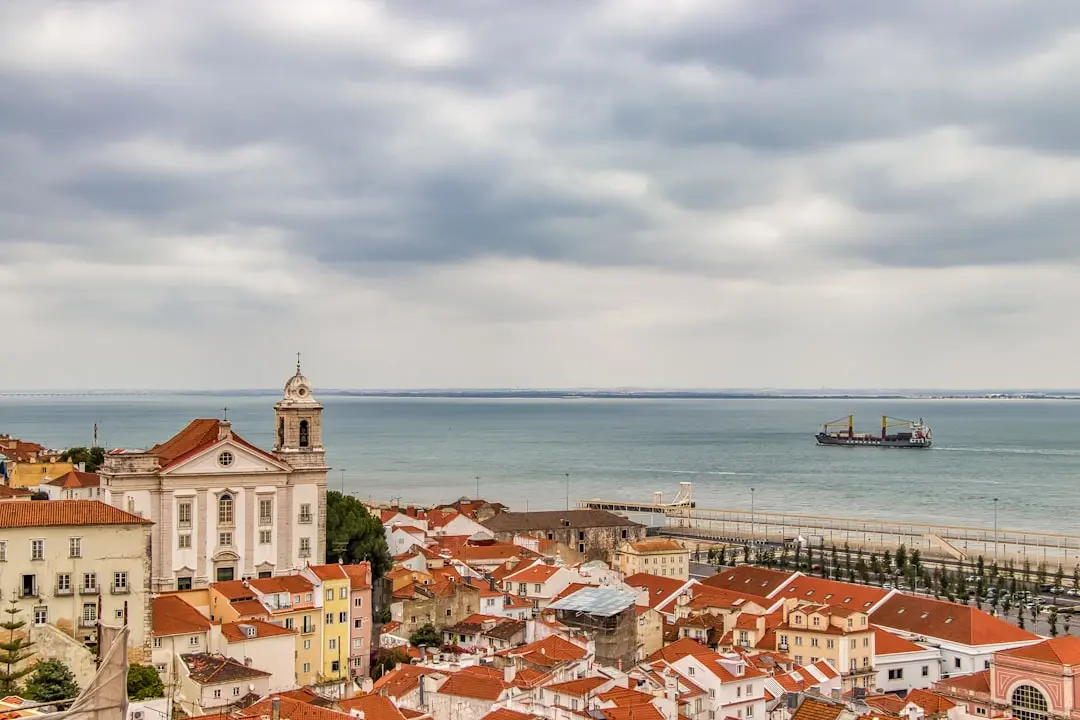
These are the cities in Portugal worth a trip
These places are not just stops on a route but immersive environments where
Portugal offers a wealth of distinctive cities despite its modest size on the European map. From historic capitals to coastal gems, each urban center presents a unique blend of culture, architecture, and local charm. Updated on August 27, 2026, this guide highlights destinations that stand out for travelers seeking authentic experiences beyond the usual tourist trails. The country’s cities reflect centuries of layered influences, from Roman settlements to Moorish rule and Age of Discovery grandeur. Lisbon’s tram-lined hills and pastel-colored neighborhoods contrast with Porto’s riverside wine cellars and baroque churches. Further inland, Évora preserves a Roman temple within its medieval walls, while Coimbra remains a living university town with traditions dating back to the 13th century.
Latest news
 Phu Quoc: Vietnam’s Premier Tropical Island Escape
 Finding the Best Neighborhoods to Stay in Peru’s Coastal Capital
 Bomb Threat Diverts Tel Aviv Flight to Sofia
 Tracing Ancient Footsteps Through the Yucatán Wilderness
These places are not just stops on a route but immersive environments where daily life intertwines with history. What makes Lisbon and Porto essential starting points for any Portuguese journey? Lisbon captivates with its seven hills, offering panoramic views from miradouros and a vibrant mix of traditional fado music and contemporary street art. Porto, meanwhile, draws visitors to its Ribeira district, where colorful buildings line the Douro River and port wine lodges invite tastings in centuries-old cellars. Both cities balance old-world charm with modern energy, featuring bustling markets, innovative cuisine, and efficient public transport that makes exploration easy.
Their international airports and train connections also serve as practical
Their international airports and train connections also serve as practical gateways to other regions. How do smaller cities like Évora and Coimbra provide deeper cultural insight? Évora, a UNESCO World Heritage site in the Alentejo region, feels like stepping into a living museum with its Roman Temple, Gothic cathedral, and charming whitewashed streets. Coimbra, home to one of Europe’s oldest universities, pulses with academic life, especially during student festivals when the city echoes with traditional songs and rituals. These destinations reward slower travel, inviting visitors to linger in courtyards, explore hidden chapels, and engage with local artisans whose crafts reflect regional identity. Frequently Asked Questions What is the best time to visit Portuguese cities for pleasant weather and fewer crowds? Spring (March to May) and early autumn (September to October) offer mild temperatures, blooming landscapes, and reduced tourist numbers compared to peak summer months.
Are Portugal’s cities walkable, or should travelers rely on public transport? Most historic centers are best explored on foot due to narrow streets and pedestrian zones, while trams, buses, and trains efficiently connect neighborhoods and nearby towns. Do I need to speak Portuguese to navigate cities comfortably? While Portuguese is the official language, English is widely spoken in tourist areas, hotels, and restaurants, especially in Lisbon, Porto, and the Algarve, making communication easy for visitors.
Content written by James Walker for travel-good.com editorial team, AI-assisted.