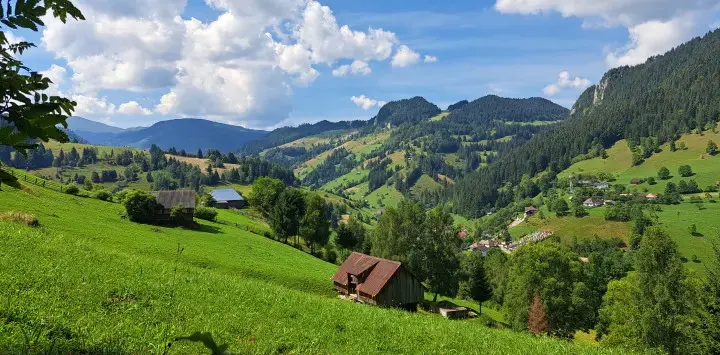
Transylvania: Planning Your Romanian Escape
Uncovering Transylvania’s Hidden Gems
Transylvania offers travelers a unique and exciting destination. Located in central Romania, the region draws visitors with its history and landscapes. Several tour operators are now offering packages to simplify trip planning. This article explores some available options for a Transylvanian holiday.
Latest news
 U.S. Ski Resorts Skip Ottawa Convention Amid Canadian Tourism Slump
 Exploring the Untamed Beauty of Northern Louisiana
 Beyond the Capital: British Tourism Chiefs Target Indian Visitors
 19 Unique Things to Do in Cape May, NJ
Transylvania’s appeal lies in its blend of medieval towns, fortified churches, and stunning natural beauty. Many visitors are drawn by the legends surrounding the area, including the Dracula myth. However, the region offers much more than just spooky tales. It’s a place rich in culture and tradition, with a vibrant local life. These tours aim to showcase the best of Transylvania, removing the stress of independent travel arrangements.
Tour options vary widely, catering to different interests and budgets. Some packages focus on historical sites, including Bran Castle—often associated with the Dracula legend—and the medieval city of Sighisoara. Others emphasize outdoor activities like hiking in the Carpathian Mountains. These tours often include accommodation, transportation, and guided visits.
Is Transylvania Safe for Tourists?
Packages range from short city breaks to extended explorations of the region. A typical tour might last seven to ten days, allowing ample time to experience multiple destinations. They often include visits to fortified churches, UNESCO World Heritage sites, and traditional villages. Travelers can expect to encounter well-preserved architecture and learn about the region’s Saxon heritage.
Safety is generally not a concern for tourists in Transylvania. Romania is a member of the European Union, and Transylvania is considered a safe region. However, as with any travel destination, it’s wise to take standard precautions against petty theft. Tour operators often provide guidance on local customs and safety tips.
The increasing popularity of Transylvania as a tourist destination has led to improvements in infrastructure. Roads are generally well-maintained, and accommodation options are becoming more diverse. Local communities are also benefiting from tourism, with many businesses offering services tailored to visitors. This growth is helping to preserve the region’s cultural heritage.
Transylvania’s growing appeal promises a continued increase in tourism. These organized tours provide a convenient way to experience the region’s unique offerings. This will likely support local economies and encourage the preservation of Transylvania’s cultural and natural treasures for years to come.
Frequently Asked Questions
What is the best time to visit Transylvania? The shoulder seasons – spring and fall – offer pleasant weather and fewer crowds. Summer can be warm, but also busier. Winter provides opportunities for skiing in the Carpathian Mountains.
Are English speakers common in Transylvania? English is increasingly spoken in tourist areas and hotels. However, learning a few basic Romanian phrases is always appreciated by locals. It can enhance your overall travel experience.
What kind of currency is used in Transylvania? The currency used in Transylvania, and throughout Romania, is the Romanian Leu (RON). Credit cards are accepted in many establishments, but it’s advisable to have some cash on hand for smaller purchases.
Content written by Amelia Stone for travel-good.com editorial team, AI-assisted.