
What Is a Neuro-Wellness Spa Retreat—and Why Are Travelers Flocking to Them?
For those with genetic predispositions to dementia, the appeal lies in
A travel writer with a family history of Alzheimer’s disease explores the rising trend of neuro-wellness retreats, seeking ways to sharpen cognitive function and reduce long-term neurological risks. These specialized spa experiences combine neuroscience-based therapies with traditional relaxation techniques to promote brain health. Located in destinations like Palace Merano in Italy, such retreats are attracting individuals focused on prevention and mental optimization. The concept of neuro-wellness merges cognitive training, biofeedback, sleep optimization, and nutrition plans designed to support brain function. At Palace Merano, guests undergo assessments that guide personalized programs involving mindfulness, light therapy, and targeted physical activities. The goal is not only immediate mental clarity but also building resilience against age-related decline.
Latest news
 Santa Ana Travel Guide: 10 Best Things to Do & 4-Day Itinerary
 Glorious American Getaways That Seem Like Far‑Off Lands
 Best Credit Cards for Rental Car Elite Status
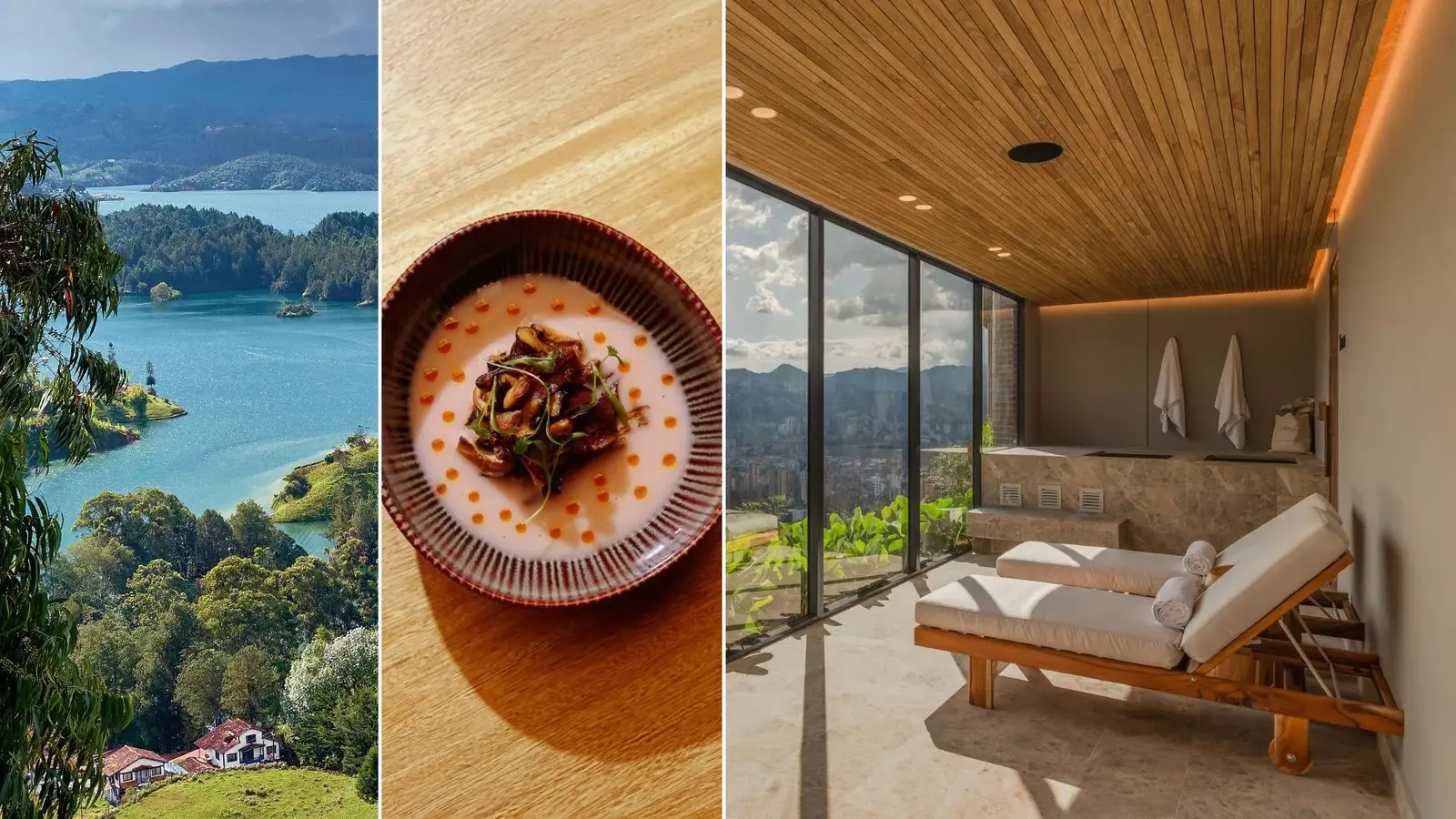 Where to Eat, Stay, and Play in Medellín, Colombia's Eternally Cool City
For those with genetic predispositions to dementia, the appeal lies in proactive, science-informed self-care. How Neuroscience Is Shaping Modern Spa Experiences Unlike conventional spas focused on muscle tension or skin care, neuro-wellness retreats prioritize the brain as the central organ of health. Technologies like EEG monitoring and heart rate variability training help guests understand their stress responses and cognitive patterns. Programs often include guided meditation, cold exposure, and structured digital detoxes to recalibrate neural pathways. Staff collaborate with neurologists and neuropsychologists to ensure interventions are evidence-based. This shift reflects a broader movement toward preventative health in luxury wellness travel. Can a Spa Stay Really Protect Your Brain? While no retreat can guarantee prevention of Alzheimer’s or other neurodegenerative diseases, emerging research suggests lifestyle interventions can delay onset or reduce severity.
Studies show that consistent cognitive engagement, quality sleep, and cardiovascular fitness contribute to brain reserve—the mind’s ability to withstand damage.
Neuro-wellness retreats aim to strengthen these factors through immersive, sustained experiences. Guests frequently report improved focus, better sleep quality, and reduced anxiety after completion. Long-term benefits, however, depend on maintaining practices beyond the stay. Frequently Asked Questions What makes a neuro-wellness retreat different from a regular spa? It focuses on brain health through science-backed methods like cognitive training, biofeedback, and sleep optimization, rather than just physical relaxation or beauty treatments. Are these retreats only for people at risk of dementia? No, they appeal to anyone seeking mental clarity, stress reduction, or cognitive enhancement, though those with family histories of neurological conditions often find them especially compelling. Do guests need medical clearance to participate? Most retreats require a health questionnaire, and some may recommend consulting a physician, particularly for individuals with existing neurological or psychiatric conditions.
Content written by Michaela Trimble for travel-good.com editorial team, AI-assisted.