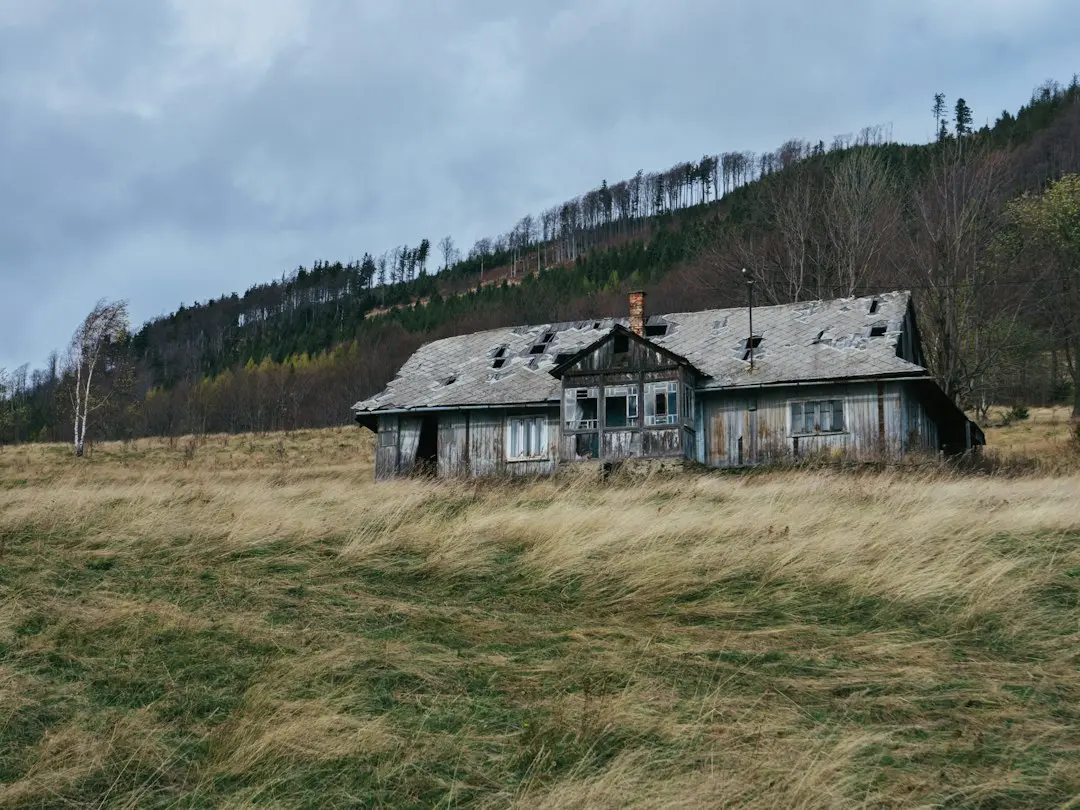
Abandoned Early‑20th‑Century Agricultural Mill Stands Like a Forgotten Estate in Śmiałowice
A Monument to Rural Industrial Pride
A striking, multi‑storey tower crowns an early‑1900s agricultural mill complex hidden in the Polish village of Śmiałowice. The structure, built with an unexpected level of decorative ambition, resembles a manor more than a utilitarian factory. Its ornate roof and imposing silhouette dominate the surrounding farmland, hinting at a time when industrial buildings were also meant to impress.
Latest news
 Delta Flight 2531 Forced to Declare Emergency After Passenger Disturbance
 Royal Caribbean Cruise Diverts From Bahamas To Canada Amid Weather Concerns
 Chapel of Expiation: A Silent Witness to France’s Revolution
 Lufthansa to Launch Columbus‑Frankfurt Direct Flights in 2027
Constructed during a period of rapid modernization in rural Poland, the mill once processed grain for local farms, integrating new steam‑driven technology with a design that borrowed from aristocratic architecture. Its builders chose a grand central tower to house machinery and to serve as a visual landmark, signaling prosperity and progress. Over the decades, the mill fell out of use as newer facilities emerged, and today the empty shells of its wings are overtaken by vines and weathered wood, while the tower remains a solitary reminder of its former glory.
The mill’s architecture reflects a brief era when even functional structures were crafted with aesthetic intent. The central tower, rising several stories, is capped by a decorative roof featuring intricate cornices and dormer windows—elements more typical of a country house than a grain‑processing plant. Inside, the original layout likely combined storage silos, grinding stones, and a steam engine room, all arranged around the tower’s core. Preservationists note that such design choices were rare in agricultural facilities, which were usually plain and purely utilitarian.
Why Has the Mill Been Left to Decay?
Local historians recall stories of bustling activity in the 1920s, when the mill served as a hub for surrounding villages. Farmers would bring harvests for cleaning, drying, and milling, while the mill’s owner hosted community gatherings in the adjoining hall. The building’s grandeur was a source of pride, symbolizing the region’s embrace of modernity without abandoning its cultural roots.
The abandonment of the Śmiałowice mill mirrors broader economic shifts in post‑war Poland. As larger, mechanized plants appeared in nearby towns, small‑scale mills struggled to compete. Ownership changes, lack of investment, and the high cost of maintaining the ornate structure contributed to its decline. Moreover, the tower’s elaborate roof required specialized upkeep that local authorities could not afford, accelerating the deterioration.
Efforts to save the site have surfaced sporadically. A regional heritage group surveyed the building in 2018, documenting its unique features and proposing adaptive reuse as a cultural center. However, funding gaps and bureaucratic hurdles stalled the project, leaving the mill exposed to the elements. Today, the structure stands as a silent testament to both the ambition of its creators and the challenges of preserving industrial heritage.
The future of the mill remains uncertain. Without intervention, the tower’s decorative elements risk collapse, erasing a rare example of early 20th‑century rural architecture. Yet the growing interest in heritage tourism could spark renewed attention, potentially turning the site into a destination for history enthusiasts and photographers.
Frequently Asked Questions
What originally powered the Śmiałowice mill? The mill operated with a steam engine, a common power source for agricultural processing facilities in the early 1900s, driving the grinding machinery housed within the central tower.
Can the public visit the abandoned complex? Access is unofficial; the property is privately owned and not maintained for tourism, so visitors should seek permission before entering to avoid trespassing.
Is there any plan to restore the mill? Local heritage groups have proposed restoration and adaptive reuse, but no concrete funding or official approval has been secured to date.
Content written by James Walker for travel-good.com editorial team, AI-assisted.