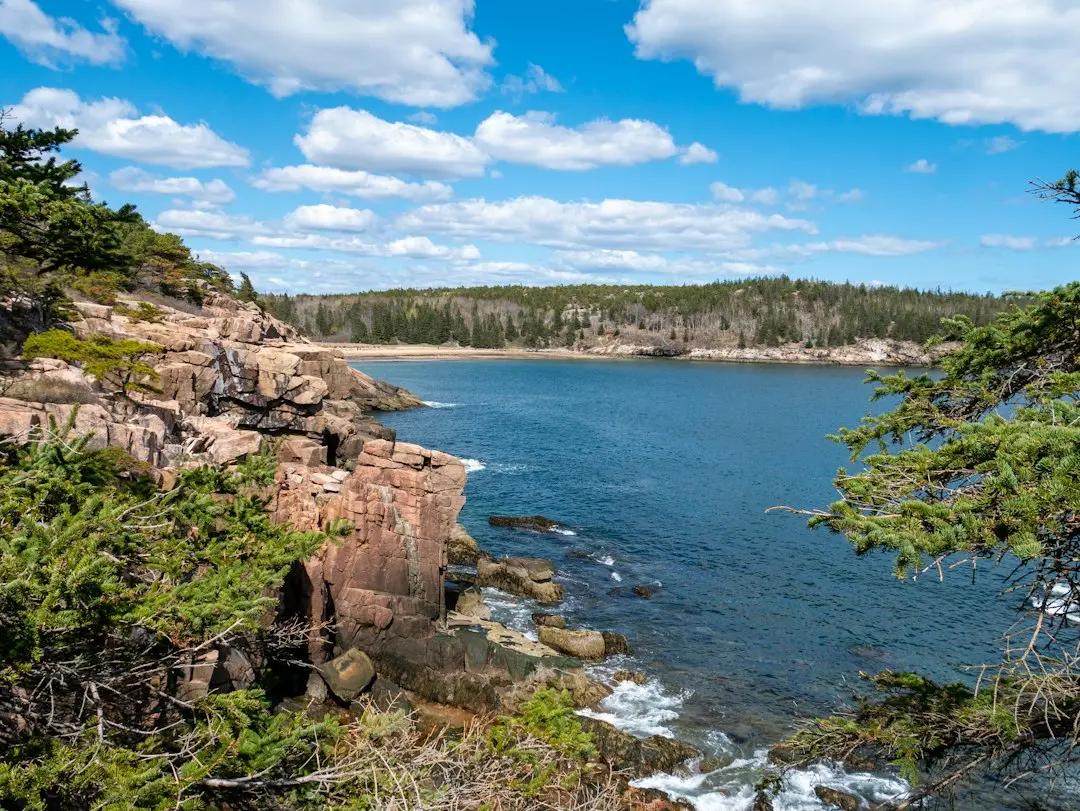
Acadia Falls to Second Place in New Ranking of America’s Top Fall Travel Destinations
Autumn Appeal: Why the Smokies Outshone Acadia
The latest fall travel list released this week names Great Smoky Mountains National Park as the nation’s premier autumn getaway, edging out Acadia National Park, which now ranks second. The survey, compiled by a leading travel research firm, evaluated visitor experiences, foliage quality, and accessibility across U. S. parks during the 2026 season.
Latest news
 Santa Ana Travel Guide: 10 Best Things to Do & 4-Day Itinerary
 Glorious American Getaways That Seem Like Far‑Off Lands
 Best Credit Cards for Rental Car Elite Status
 Where to Eat, Stay, and Play in Medellín, Colombia's Eternally Cool City
Acadia’s slip reflects shifting visitor preferences toward larger, more diverse landscapes. While the Maine park still draws crowds for its rugged coastline and historic sites, the Smokies’ expansive forested ridges and higher elevation foliage earned it a decisive lead. Analysts say the margin was „not even close,” highlighting the Smokies’ superior trail network and broader range of autumn colors. Park officials in Acadia acknowledge the result but emphasize ongoing efforts to enhance visitor services and preserve the park’s unique charm.
The Great Smoky Mountains’ reputation for vibrant, multi‑hued canopies stems from its varied elevation, which supports a mix of maple, oak, and hickory trees. Park rangers reported a 12 percent increase in foot traffic compared to the previous year, attributing the surge to targeted marketing campaigns and improved shuttle services that reduce congestion. „Our visitors are staying longer and exploring more remote trails,” said a park spokesperson. Meanwhile, Acadia’s coastal position limits its color palette, and recent weather patterns have delayed leaf change in parts of the park, affecting its overall visual impact.
Can Acadia Reclaim the Top Spot?
Acadia’s management team is already planning enhancements to boost its fall allure. Proposals include expanding the carriage road system for better scenic drives, adding interpretive programs focused on the park’s maritime heritage, and partnering with local businesses to create autumn festivals. Critics argue that without addressing infrastructure bottlenecks—particularly limited parking near popular viewpoints—these initiatives may fall short. Nonetheless, park officials remain optimistic, citing community support and a growing interest in sustainable tourism as catalysts for future growth.
The shift in rankings may influence travel itineraries nationwide, steering more tourists toward the Smokies during peak foliage weeks. Acadia, while still a top destination, may see a modest dip in visitor numbers this season. Both parks are expected to adapt, leveraging their distinct strengths to attract diverse audiences. The broader trend underscores how competitive the U. S. park system has become, with each location striving to offer a unique, high‑quality autumn experience.
Frequently Asked Questions
What criteria determined the ranking? The survey weighed factors such as foliage intensity, trail accessibility, visitor satisfaction scores, and the availability of seasonal programs.
Will Acadia’s ranking affect its funding? Funding is primarily allocated by federal budgets, but higher visitor numbers can boost concession revenues and justify additional grant requests.
When is the best time to visit the Great Smoky Mountains for fall colors? Peak foliage typically occurs from early to mid‑October, though exact timing varies with elevation and weather conditions.
Content written by Karla Demery for travel-good.com editorial team, AI-assisted.