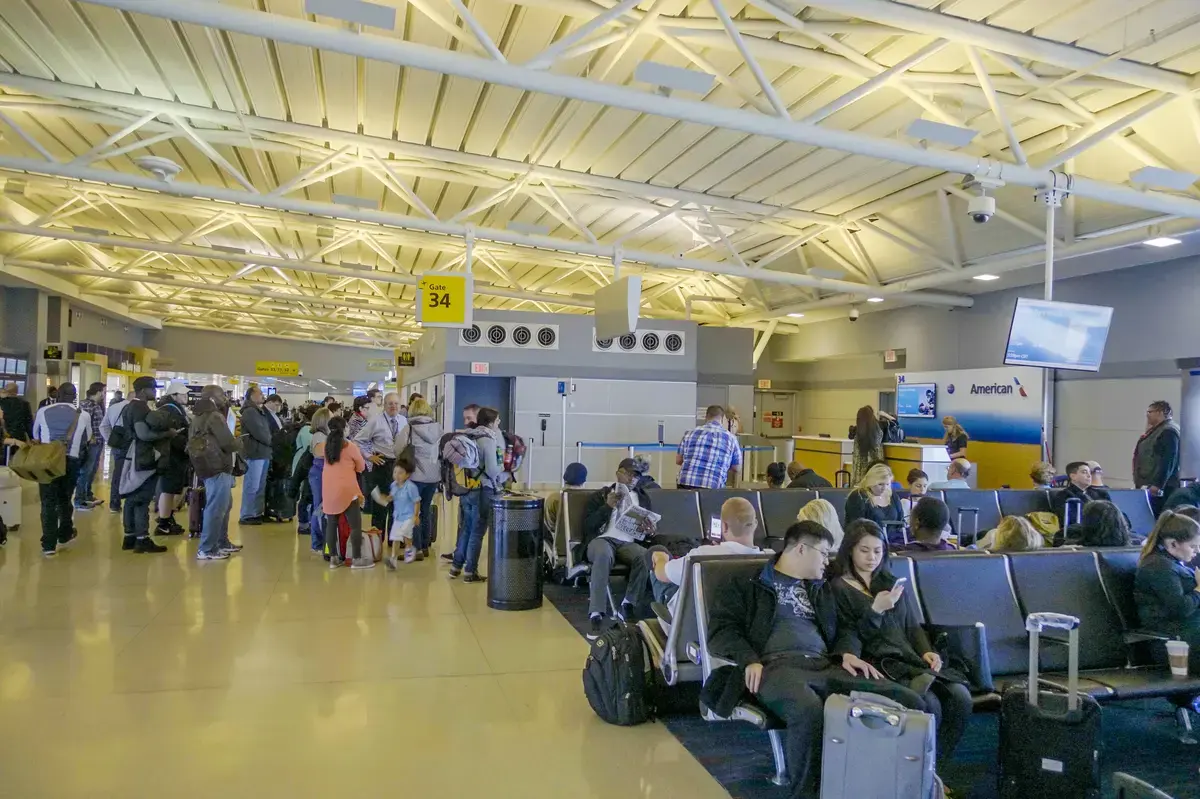
American Airlines Ground Stop Halts Flights at Dallas‑Fort Worth Hub
Why the Ground Stop Was Implemented
Passengers at Dallas‑Fort Worth International Airport were abruptly stopped from boarding American Airlines flights on July 13, 2026, after the carrier announced a major ground halt at its primary hub. The shutdown affected a large share of the airline’s schedule, prompting cancellations that rippled across its worldwide network.
Latest news
 Phu Quoc: Vietnam’s Premier Tropical Island Escape
 Finding the Best Neighborhoods to Stay in Peru’s Coastal Capital
 Bomb Threat Diverts Tel Aviv Flight to Sofia
 Tracing Ancient Footsteps Through the Yucatán Wilderness
The airline cited operational constraints as the trigger for the ground stop, leading to a cascade of flight cancellations both domestically and abroad. Airport officials confirmed that most scheduled departures were scrubbed, leaving travelers stranded and forcing the airline to re‑evaluate its flight program. The decision came after a surge in cancellations that overwhelmed the hub’s capacity to manage departures.
American Airlines officials indicated that the halt was necessary to address safety and staffing concerns that had built up over several days. The airline’s spokesperson explained that the concentration of delayed aircraft and crew shortages made it impossible to maintain a reliable departure schedule. By grounding flights, the carrier aimed to reset its operations and prevent further disruptions.
Will the Disruption Ripple Through Global Schedules?
Airline analysts noted that such a broad ground stop is rare for a major U. S. hub, underscoring the severity of the underlying issues. The move forced the airline to prioritize essential routes, while less critical services were suspended. Passengers were advised to monitor their bookings and seek refunds or re‑booking options through the airline’s customer service channels.
The extensive cancellations at Dallas‑Fort Worth are expected to affect American Airlines’ international flights, as the hub serves as a key connection point for transatlantic and transpacific routes. Industry observers predict that the ripple effect could delay travel plans for passengers bound for Europe, Asia, and Latin America, especially those relying on connecting flights through the Texas airport.
Airports in other regions have already reported a surge in re‑booking requests, indicating that the fallout is spreading beyond the United States. While the airline has not released a timeline for resuming normal operations, it has pledged to restore service as quickly as operationally feasible. Travelers are urged to stay informed through official airline communications.
The ground stop highlights the fragility of complex airline networks and the importance of contingency planning. As American Airlines works to clear the backlog, the broader industry watches closely for lessons that could prevent similar large‑scale disruptions in the future.
Frequently Asked Questions
What caused the ground stop at Dallas‑Fort Worth? American Airlines cited safety and staffing challenges that made it impossible to maintain its departure schedule, prompting a temporary halt to all flights from the hub.
How many flights were cancelled worldwide? The airline cancelled a significant portion of its schedule, affecting most flights that originated from or connected through Dallas‑Fort Worth, though exact numbers were not disclosed.
When can passengers expect normal service to resume? The airline has not provided a specific date, but it indicated that operations will return to normal as soon as safety and staffing conditions improve.
Content written by Sophie Chen for travel-good.com editorial team, AI-assisted.