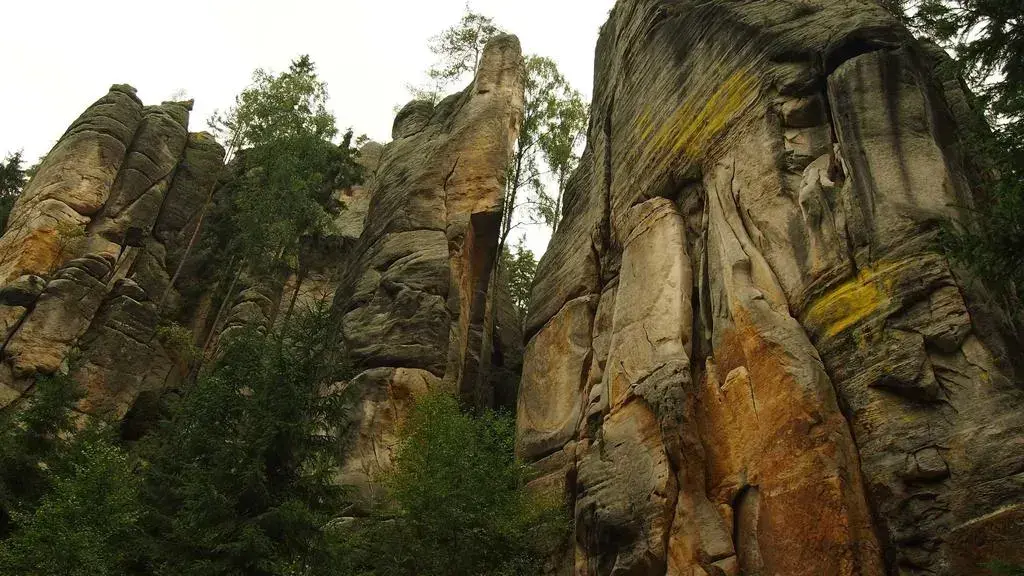
Ancient Hon Chuong Cham Tower in De Gi, Vietnam
Archaeologists believe it may have served as a temple or observatory
Deep in the rugged highlands of De Gi within Phu Cat district, an ancient stone structure known as the Hon Chuong Cham Tower stands as a quiet testament to early Cham civilization. Located in a remote and sparsely populated area, the tower dates back to a period when Cham influence extended across central Vietnam. Its isolation has helped preserve its form, though it remains little known outside local circles. The tower is constructed from large, carefully fitted stone blocks without the use of mortar, a technique characteristic of Cham architectural traditions. Rising several meters high, it features layered tiers and intricate carvings that reflect Hindu-Buddhist motifs common to Cham religious sites.
Latest news
 Phu Quoc: Vietnam’s Premier Tropical Island Escape
 Finding the Best Neighborhoods to Stay in Peru’s Coastal Capital
 Bomb Threat Diverts Tel Aviv Flight to Sofia
 Tracing Ancient Footsteps Through the Yucatán Wilderness
Archaeologists believe it may have served as a temple or observatory, though its exact purpose remains under study due to limited excavation. What Makes the Hon Chuong Cham Tower Architecturally Distinct Unlike many Cham towers built with brick and mortar, Hon Chuong relies entirely on dry-stone masonry, suggesting an earlier phase of construction or influence from indigenous building practices. The stones are shaped to interlock tightly, creating a stable structure that has withstood centuries of weather and vegetation growth. Local elders say the site was once part of a larger complex, though only the central tower remains visible today. Its orientation aligns with certain solar events, hinting at possible astronomical significance. How Is the Site Being Protected Today Efforts to document and protect the tower have increased in recent years, driven by provincial cultural heritage offices and university researchers.
Though not yet officially designated as a national relic, it is monitored under
Though not yet officially designated as a national relic, it is monitored under local heritage guidelines. Community members have begun clearing invasive plants and discouraging unauthorized visits to prevent damage. Plans are underway to create a basic visitor trail with informational signs, balancing access with preservation. What Challenges Arise in Studying Such Remote Monuments Studying Hon Chuong presents difficulties due to its inaccessibility and lack of written records from the period. Heavy rainfall and dense forest cover complicate survey work, while limited funding restricts advanced techniques like ground-penetrating radar. Scholars rely on surface observations, oral histories, and comparisons with better-documented Cham sites to form hypotheses. Despite these obstacles, interest in the tower is growing as part of broader efforts to map Vietnam’s pre-modern cultural landscape. Frequently Asked Questions Is the Hon Chuong Cham Tower open to the public?
Yes, the site can be visited, though there are no formal facilities or guided tours. Visitors are advised to go with local guides familiar with the terrain and to respect the site’s fragile condition. Are there any artifacts found at the tower? No major artifacts have been recovered from the tower itself, though nearby excavations have yielded pottery fragments and stone tools consistent with Cham occupation periods. Why is the tower not more widely known? Its remote location, limited promotion, and absence from major tourist routes have kept it under the radar. Increased academic attention may change that in coming years.
Content written by Sophie Chen for travel-good.com editorial team, AI-assisted.