
Booking.com Expands India Strategy With New Payment Tools
Capturing the Corporate Travel Segment
Booking.com is launching a comprehensive push into the Indian market. The global travel platform aims to capture a larger share of local spending. It targets both domestic and international travelers. The company plans to introduce its own payment systems. This move allows it to control the entire transaction process. Additionally, Booking.com will focus on selling business travel services. Small and medium-sized enterprises are the primary target for this new segment.
Latest news
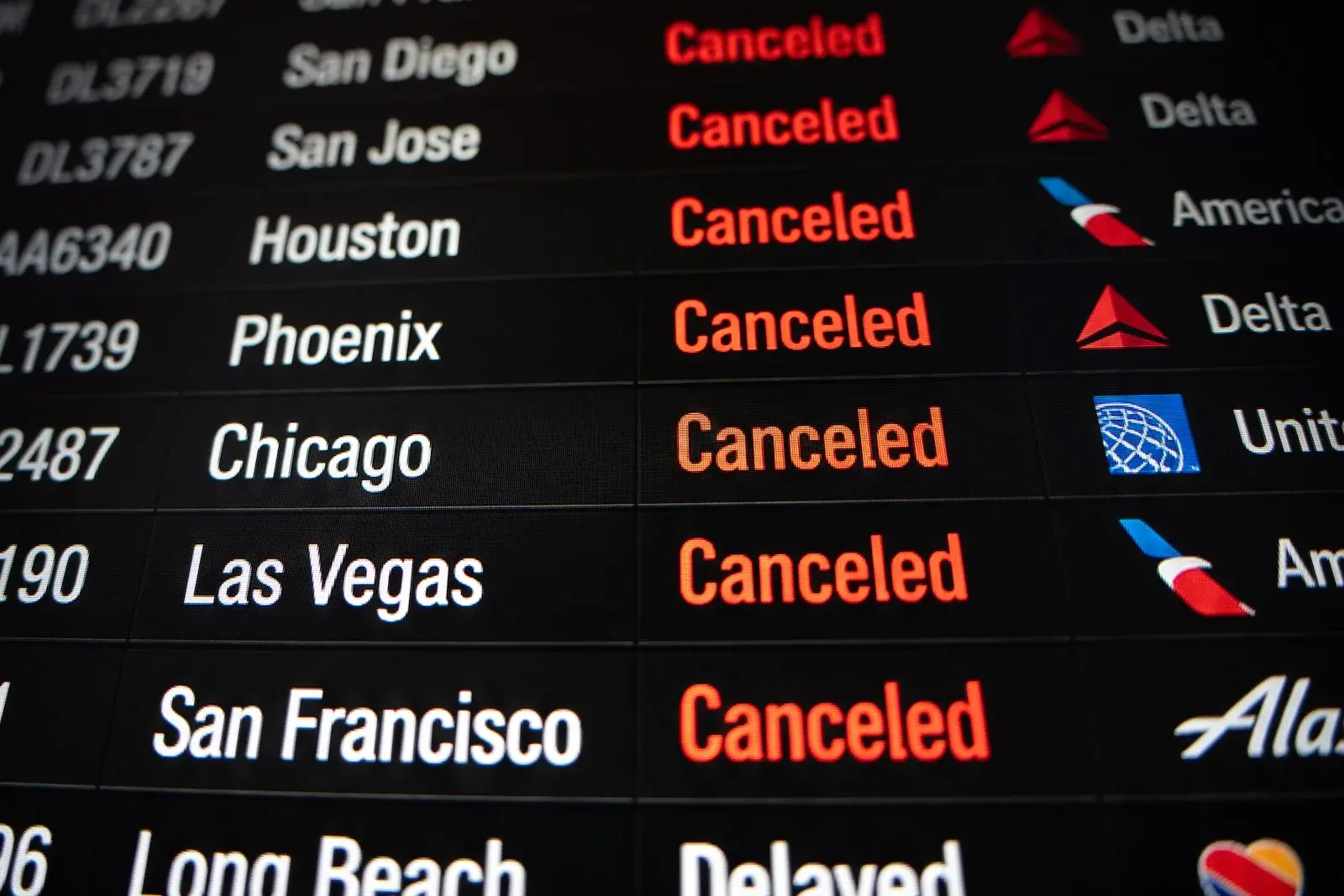 Air Travel Chaos: How TPG’s Experts Steer Travelers Through Flight Disruptions
 Aer Lingus Upgrades Long-Haul Fleet with Luxury Cabins
 Frequent Flyer Programs Face Turbulence Over Tax Disputes
 Abu Dhabi Maintains High Formula 1 Hotel Pricing Amid Regional Shifts
The expansion reflects a strategic shift toward deeper market integration. Previously, the platform relied heavily on third-party processors. Now, it seeks to own the financial flow directly. This approach reduces dependency on external partners. It also enhances user experience through streamlined checkout processes. The initiative addresses specific pain points in the Indian digital economy. High transaction fees and complex verification steps often deter users. By simplifying these hurdles, Booking.com hopes to increase conversion rates significantly.
Why Control Over Payments Matters
Business travel represents a critical growth area for the platform. Small and mid-sized companies in India lack dedicated travel departments. They often struggle to manage employee trips efficiently. Booking.com intends to provide tailored solutions for these firms. These tools will automate approval workflows and expense tracking. The service offers centralized management for multiple employees. This convenience is expected to drive adoption among smaller businesses. Larger corporations already have established vendors. However, the SME sector remains fragmented and underserved. By filling this gap, the platform can secure long-term contracts. These relationships provide steady revenue streams beyond individual leisure bookings.
Owning the payment infrastructure offers distinct advantages. It allows for real-time data analysis on customer behavior. The platform can identify trends in spending habits instantly. This data informs personalized recommendations and pricing strategies. Furthermore, direct payments reduce settlement times for hotel partners. Faster payouts improve relationships with property owners. In India, trust is a major factor in online transactions. A familiar and secure payment gateway builds confidence. Users are more likely to complete purchases when they recognize the interface. The new system integrates seamlessly with popular local banking methods. This localization is key to winning over skeptical consumers.
Who is the primary target for the new business travel service? Small and mid-sized enterprises are the main focus. These companies currently lack specialized travel management tools. The service aims to simplify their operational needs.
Frequently Asked Questions
How does the new payment system benefit hotel partners? It accelerates the settlement process for earnings. Partners receive funds faster than before. This improved cash flow supports their daily operations.
Does this strategy change how leisure travelers book hotels? Leisure travelers will experience a smoother checkout process. The integrated payment option reduces friction during booking. It creates a unified experience across all trip types.