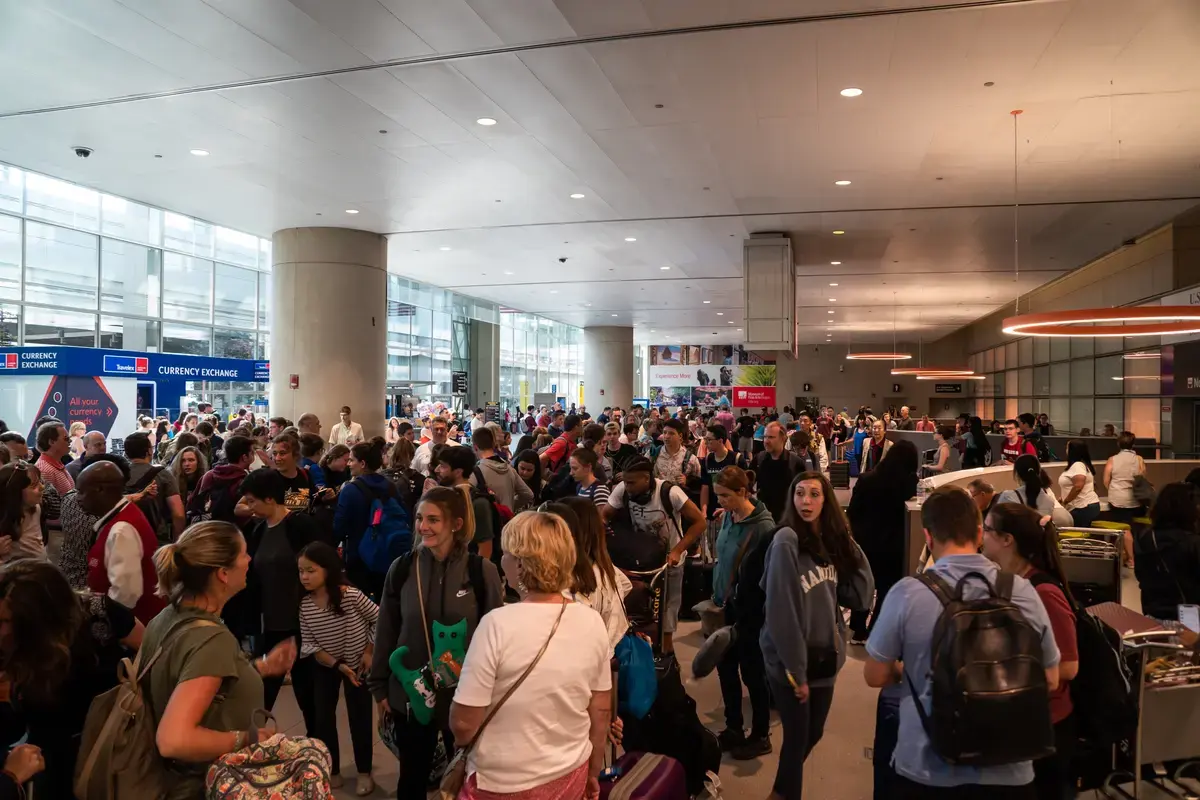
Boston Logan Incident Sparks Rideshare Safety Concerns
The Growing Debate Over Driver Vetting
A recent incident at Boston Logan International Airport has intensified public discussion about the safety of rideshare services. An alleged assault by an Uber driver has left many questioning the vetting processes and accountability within these popular platforms. The event, occurring on July 11, 2019, has prompted renewed calls for stricter regulations.
Latest news
 Phu Quoc: Vietnam’s Premier Tropical Island Escape
 Finding the Best Neighborhoods to Stay in Peru’s Coastal Capital
 Bomb Threat Diverts Tel Aviv Flight to Sofia
 Tracing Ancient Footsteps Through the Yucatán Wilderness
The alleged attack has brought to light existing anxieties among passengers who rely on rideshare apps for transportation. This particular incident at a major international airport has amplified concerns about passenger security. It underscores the potential risks involved when using these widely adopted services.
The core of the safety debate often centers on how rideshare companies screen their drivers. Critics argue that current background checks might not be thorough enough to prevent dangerous individuals from operating vehicles. There is a push for more comprehensive and continuous monitoring of drivers. This would ideally include regular re-evaluation of their records.
What Steps Can Be Taken to Enhance Passenger Safety?
Passengers often assume a high level of security when booking through established apps. However, incidents like this challenge that perception. They highlight the need for greater transparency from rideshare companies regarding their safety protocols. This includes how they handle complaints and investigate alleged misconduct.
One key area for improvement involves implementing more robust in-app safety features. These could include panic buttons, real-time ride sharing with trusted contacts, and clearer driver identification. Better training for drivers on conflict de-escalation and passenger interaction is also crucial. This could help prevent situations from turning violent.
Another suggestion involves increasing regulatory oversight from local and state authorities. This would ensure that rideshare companies adhere to consistent safety standards. Such measures could help restore public confidence in these essential transportation options. The incident at Logan serves as a stark reminder of these ongoing challenges.
The alleged assault at Boston Logan Airport has reignited a critical conversation about rideshare safety. It emphasizes the need for continuous vigilance from both companies and regulators. Passengers, in turn, are seeking greater assurances that their journeys will be secure.
Frequently Asked Questions
What happened at Boston Logan Airport? An alleged assault by an Uber driver occurred at Boston Logan International Airport on July 11, 2019. This incident has raised significant concerns about rideshare safety.
Why are people concerned about rideshare safety? Concerns stem from incidents like the alleged Boston Logan assault, questioning driver background checks and the overall safety measures of rideshare platforms. Passengers are seeking more robust protections.
What changes are being suggested for rideshare companies? Suggestions include more thorough driver vetting, enhanced in-app safety features like panic buttons, and increased regulatory oversight from authorities. These measures aim to improve passenger security.
Content written by Sophie Chen for travel-good.com editorial team, AI-assisted.