Brazil Unveils Four Iconic Wildlife Species as Global Tourism Ambassadors
Promoting Conservation Through Travel
Embratur officially launched the Pulsar Brasis initiative on Friday, November 13, in Gramado, Rio Grande do Sul. The program introduces four native animal species as official ambassadors for the country. This strategy aims to boost international tourism by highlighting Brazil’s rich biodiversity and promoting environmental conservation efforts across the nation.
Latest news
 Qantas Launches Direct Sydney to Cape Town Flights in 2027
 Festive Elegance Returns to The Hari Hong Kong for the Holiday Season
 Disney and Visa Forge Major Asia Pacific Partnership
 Caribbean Hospitality Leaders Honored at 2026 Industry Excellence Awards
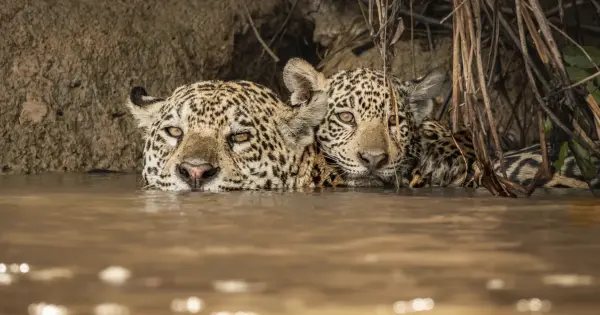
The chosen ambassadors include the hyacinth macaw, the jaguar, the manatee, and the northern muriqui. These animals represent the vast ecological variety found within Brazilian borders. By focusing on these species, officials hope to draw global attention to the country's unique natural landscapes and encourage sustainable travel practices among international visitors.
The Pulsar Brasis project functions as a bridge between tourism marketing and wildlife protection. By branding these animals as faces of the country, Embratur intends to raise awareness about the threats these species face in the wild. The initiative encourages travelers to visit regions where these animals thrive while supporting local conservation programs.
Can Animal Ambassadors Boost Economic Growth?
Officials believe that connecting tourism to nature creates a stronger incentive for protecting habitats. This dual approach ensures that the economic benefits of international visitors contribute directly to the survival of these iconic creatures. The program seeks to position Brazil as a premier destination for eco-conscious travelers seeking authentic wildlife experiences.
The success of the campaign hinges on whether these species can effectively capture the interest of global tourists. By utilizing the unique appeal of the jaguar and the hyacinth macaw, the government hopes to differentiate Brazil from other regional competitors. This creative marketing shift marks a new chapter in how the country promotes its natural assets to the world.
Frequently Asked Questions
If the initiative succeeds, it could lead to increased funding for protected areas and wildlife research. The long-term goal is to transform how the world perceives Brazil, moving beyond traditional beach tourism to a deeper appreciation of its ecosystems. This shift could stabilize local economies while ensuring the long-term preservation of the nation’s most vulnerable wildlife populations.
What is the primary goal of the Pulsar Brasis program? The program aims to promote Brazil as a top global tourism destination while simultaneously fostering biodiversity conservation. It uses iconic wildlife species to attract eco-conscious travelers to the country.
Which animals were selected for this initiative? The four ambassadors are the hyacinth macaw, the jaguar, the manatee, and the northern muriqui. These species were chosen to represent the diverse ecosystems found throughout Brazil.