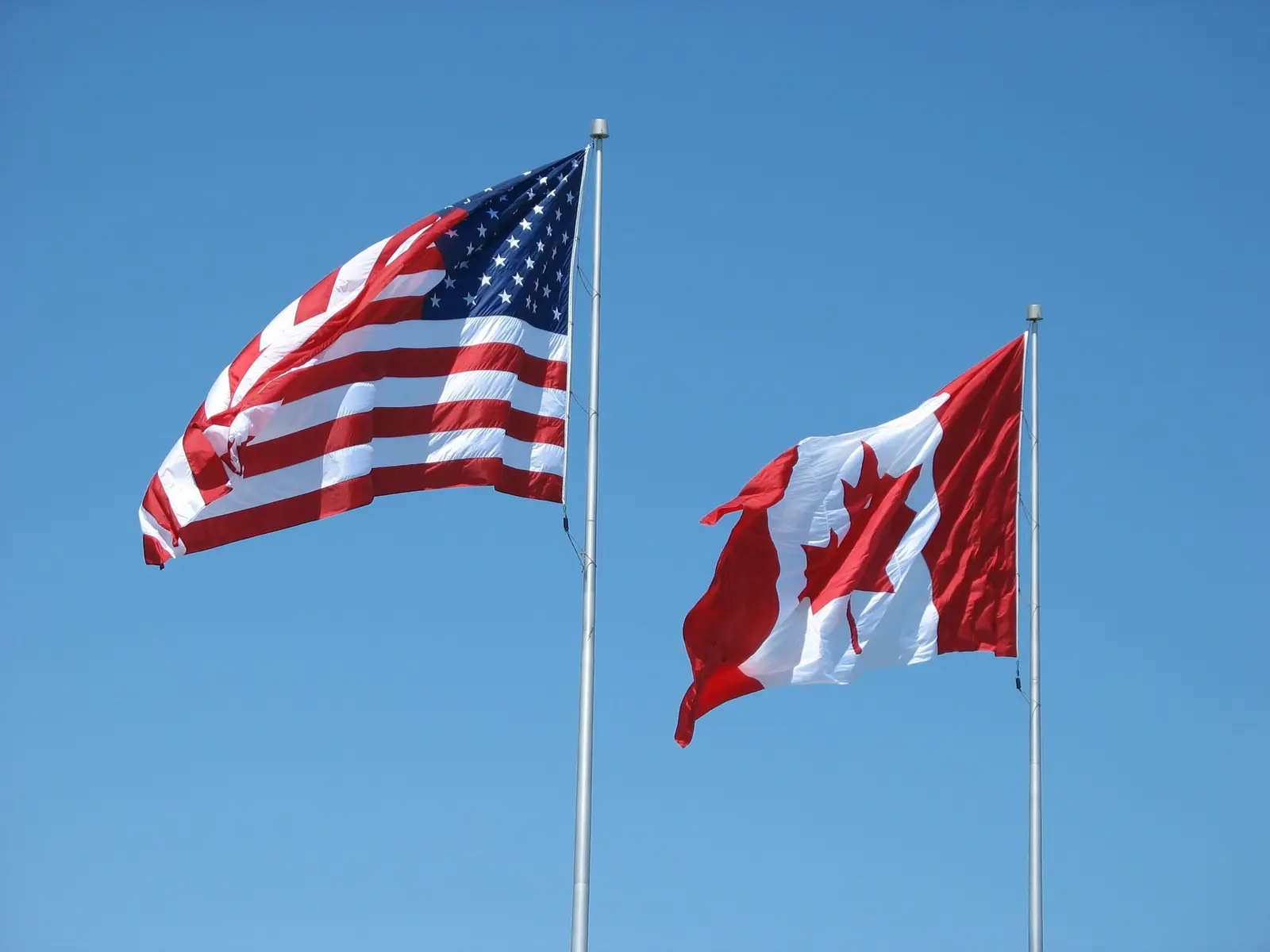
Canadian Tourists Face Renewed '51st State' Threats Amid Ongoing U.S. Travel Boycott
Economic Ripples Spread Beyond Border Towns
President Donald Trump revived his suggestion that Canada should become the 51st U. S. state during a campaign rally in Bullhead City, Arizona, this week, reigniting tensions just as Canadian travel to the United States continues to decline. His remarks came amid ongoing criticism of Canadian trade policies, which he labeled unfair, and followed a pattern of similar statements dating back to December 2024. The renewed rhetoric coincides with a sustained drop in Canadian visitors, with September 2025 marking the 17th consecutive month of reduced travel, according to recent data showing a nearly 19% decline compared to September 2024.
Latest news
 Phu Quoc: Vietnam’s Premier Tropical Island Escape
 Finding the Best Neighborhoods to Stay in Peru’s Coastal Capital
 Bomb Threat Diverts Tel Aviv Flight to Sofia
 Tracing Ancient Footsteps Through the Yucatán Wilderness
The decline in cross-border tourism reflects broader strains in the U. S.-Canada relationship, exacerbated by trade disputes and political rhetoric. Canadian officials have repeatedly dismissed Trump’s annexation comments as unserious and damaging to bilateral ties, emphasizing that such remarks undermine mutual respect. Meanwhile, U. S. border communities reliant on Canadian shoppers and tourists continue to feel the economic impact, with businesses reporting lower sales during what was once a peak season. The travel boycott, initially sparked by policy disagreements and heightened rhetoric, has shown little sign of reversing despite diplomatic efforts to ease tensions.
The sustained drop in Canadian visitors is affecting industries far beyond immediate border regions, including hospitality, retail, and entertainment sectors in states like Arizona, New York, and Florida. Hotels near popular crossings have reported occupancy rates down by double digits compared to pre-boycott levels, while duty-free shops and Canadian-themed attractions note fewer guests. Analysts warn that prolonged avoidance could lead to job losses and reduced tax revenue in areas that have grown dependent on Canadian spending, particularly during autumn months when leisure travel typically peaks.
Could Diplomacy Reverse the Trend?
Officials from both nations have engaged in quiet talks to address underlying trade frustrations, though public statements remain strained. Canadian tourism boards have launched campaigns promoting domestic travel as an alternative, while U. S. state governments urge patience and dialogue. However, without a clear de-escalation in political rhetoric or resolution of trade disputes, analysts suggest the current travel pattern may persist into next year, testing the resilience of cross-border economic ties that have long benefited both countries. Frequently Asked Questions How significant is the 19% drop in Canadian travelers to the U. S.? This decline represents a substantial shift in cross-border travel patterns, translating to billions in lost spending annually and marking the longest sustained period of reduced tourism in recent history.
Are Trump’s comments about making Canada the 51st state taken seriously by officials? Canadian and U. S. officials consistently characterize the remarks as rhetorical or provocative rather than policy proposals, though they acknowledge the statements contribute to diplomatic friction.
What factors are primarily driving the ongoing travel boycott? The boycott stems from a combination of trade disputes, political rhetoric, and shifting consumer sentiment, with many Canadians citing discomfort over U. S. political climate as a reason to avoid travel.
Content written by Ethan Cotler for travel-good.com editorial team, AI-assisted.