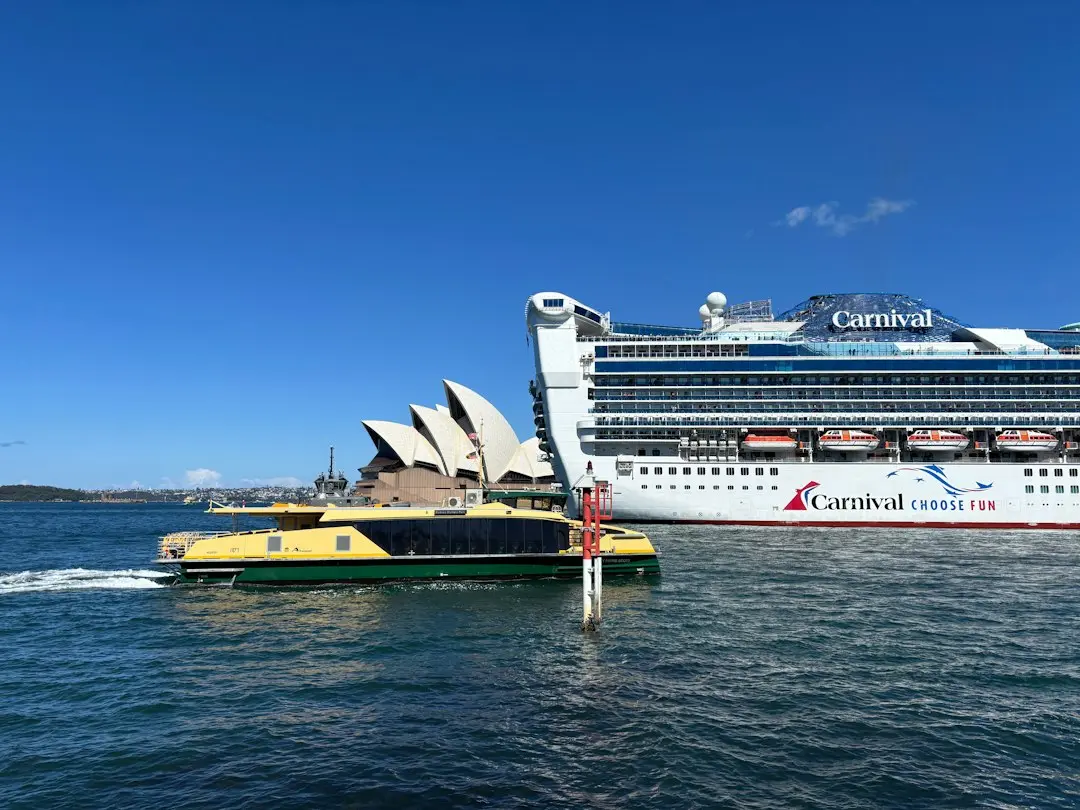
Carnival Cruise Line unveils new ship class and port expansion
Smaller Vessels Unlock New Port Access
Carnival Cruise Line announced plans to add two new vessels to its global fleet. These ships will feature liquefied natural gas propulsion systems. The Italian shipbuilder Fincantieri is constructing the units. Delivery dates are scheduled for 2033 and 2035. The line also confirmed an expansion at Celebration Key. This development marks a significant shift in the company’s long-term strategy.
Latest news
 Atlas Ocean Voyages Lets Guests Choose Hull Color for New Sailing Yacht
 MSC World Asia Sets Sail as One of the World's Largest Cruise Ships
 American Airlines Issues Travel Alert For Miami Airport Amid FAA Ground Stop Advisory
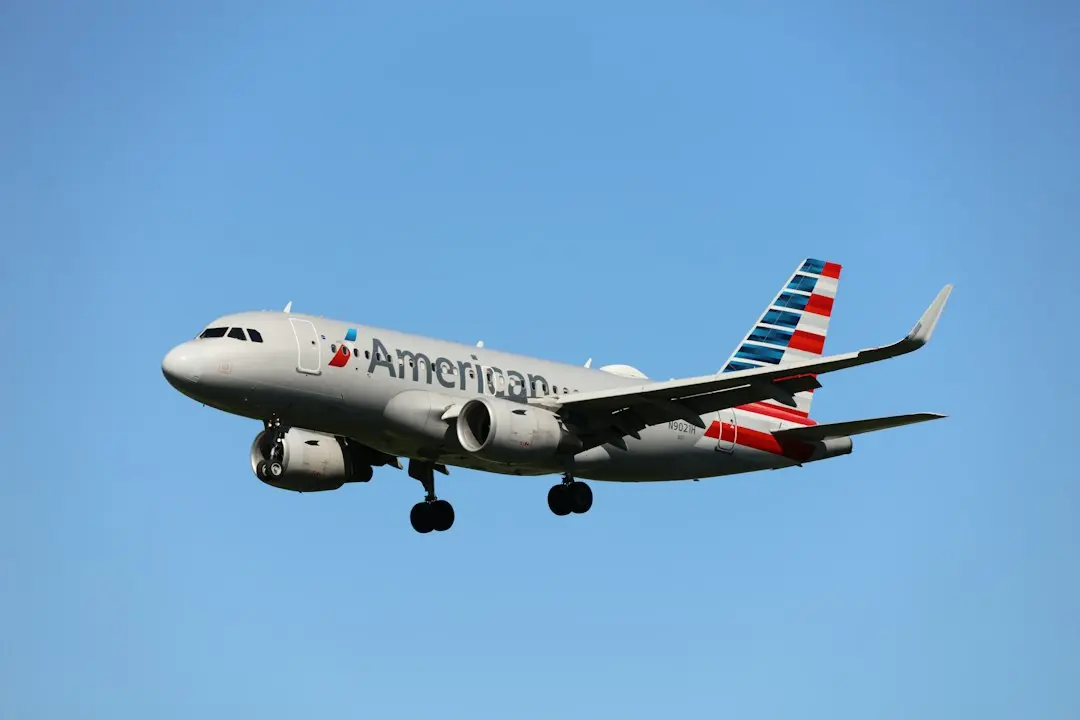 American Airlines Extends Rebooking Options Amid Thanksgiving Storms
The new vessels represent a distinct departure from recent industry trends toward mega-ships. Each unit will measure approximately 130,000 gross tons. This size is intentionally smaller than the current flagship class. The design prioritizes maneuverability over sheer capacity. By reducing the overall footprint, the ships can navigate tighter harbor channels. This capability allows the cruise line to call at more diverse destinations. Passengers will likely see a wider variety of itineraries in future seasons.
How Does Celebration Key Fit Into the Strategy?
The primary advantage of this new class is enhanced port accessibility. Large cruise ships often face restrictions due to draft depth and width limits. The 130,000-ton design mitigates these issues effectively. Shipbuilders optimized the hull shape for shallow waters. This engineering choice opens up coastal communities previously unreachable by larger liners. The company aims to bring cruise tourism to regions with limited infrastructure. Local economies may benefit from increased visitor spending. The LNG fuel system also addresses environmental concerns. It produces fewer emissions compared to traditional heavy fuel oil. Regulators have been pushing for cleaner marine transportation options. This move positions the brand ahead of potential future mandates.
The expansion at Celebration Key complements the new fleet additions. This destination serves as a critical hub for Caribbean operations. Upgrading facilities there supports higher passenger throughput. The infrastructure improvements ensure smoother embarkation and disembarkation processes. It also enhances the guest experience before sailing begins. The timing aligns with the arrival of the new ships. Having robust port facilities ensures operational efficiency. The company invested heavily in this location over recent years. Now, the full benefits of that investment become apparent. The synergy between the new ships and the upgraded port creates a cohesive operational model.
The introduction of these vessels signals a balanced approach to growth. Instead of chasing maximum size, the focus remains on flexibility. This strategy reduces risk associated with single large assets. If demand shifts, smaller ships can adapt more quickly to route changes. The 2033 and 2035 delivery windows provide ample time for market adjustments. Competitors may observe this trend closely. Other operators might consider similar mid-size designs for their own fleets. The use of LNG technology sets a clear benchmark for sustainability. Investors will watch how these ships perform in terms of cost per passenger. The combination of new hardware and port upgrades strengthens the competitive position. Future announcements will likely detail specific routes and pricing structures. The industry continues to evolve toward greener and more accessible cruising.
Frequently Asked Questions
When will the new ships enter service? The first vessel is scheduled for delivery in 2033. The second unit follows in 2035. Both are currently under construction by Fincantieri.
Why are the new ships smaller than previous models? The reduced size allows access to more ports. This design choice increases itinerary variety and operational flexibility for the cruise line.