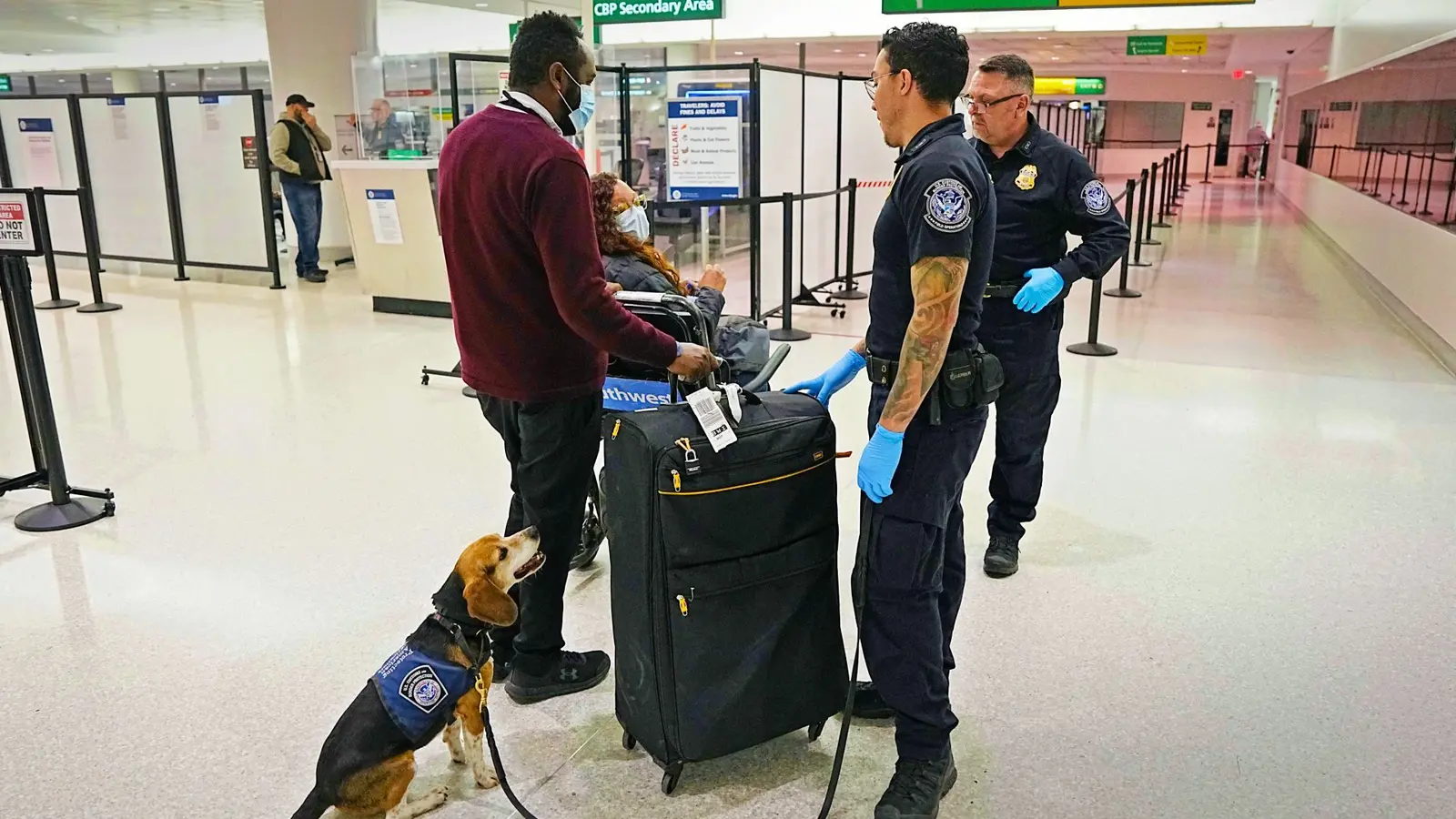
CBP Seizes Phone At Boston Airport Over Luggage Sticker
Rising Tensions Over Digital Privacy
U. S. Customs and Border Protection officers confiscated a smartphone from an American traveler at Boston Logan International Airport. The seizure occurred after agents noticed a sticker on the passenger’s luggage. This incident highlights the aggressive inspection tactics currently employed at major U. S. entry points. The traveler was an American citizen returning to the United States. The event has sparked renewed debate over privacy rights at national borders.
Latest news
 Delta Flight 2531 Forced to Declare Emergency After Passenger Disturbance
 Royal Caribbean Cruise Diverts From Bahamas To Canada Amid Weather Concerns
 Chapel of Expiation: A Silent Witness to France’s Revolution
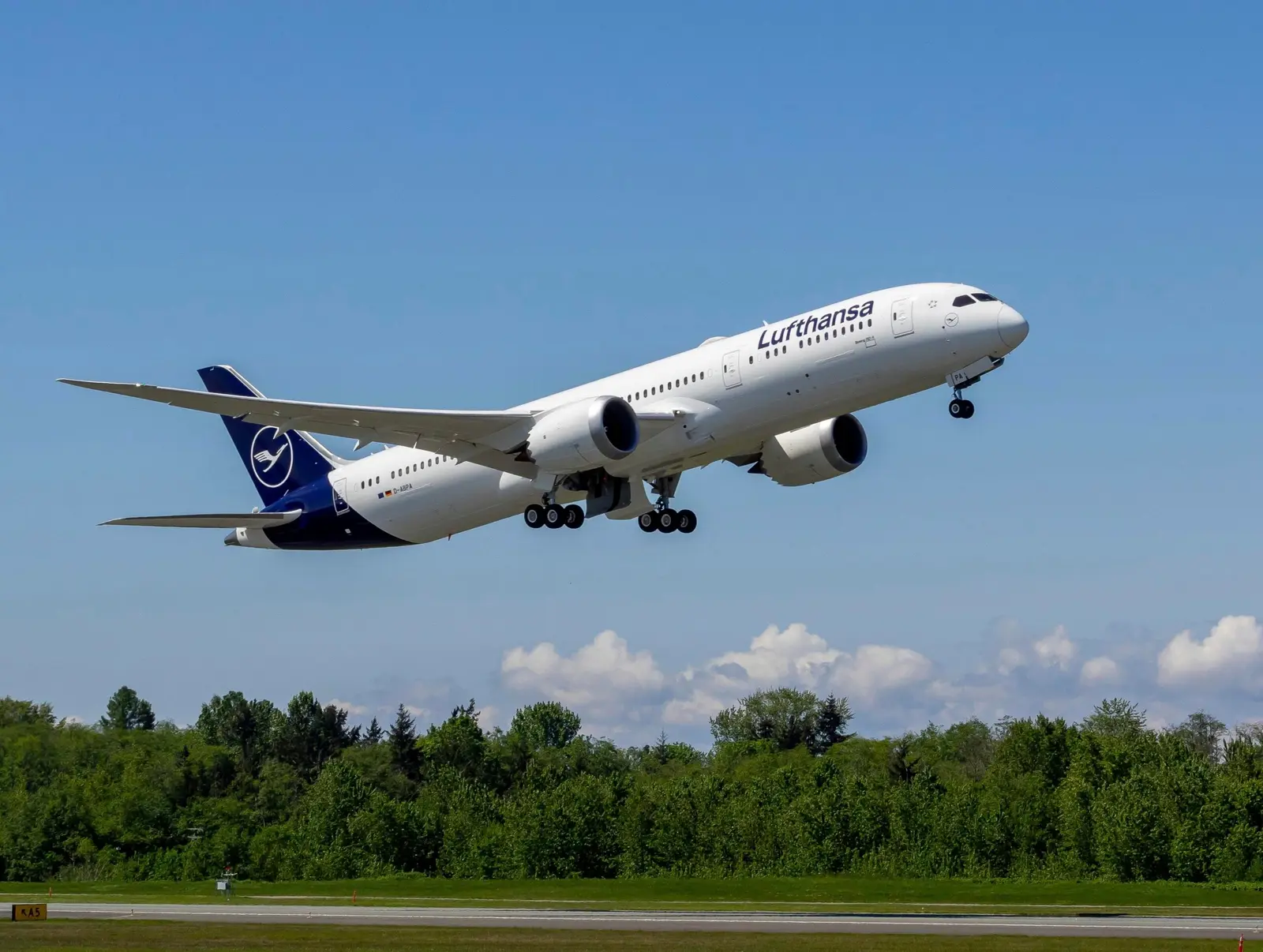 Lufthansa to Launch Columbus‑Frankfurt Direct Flights in 2027
The specific trigger for the search was a minor detail on the baggage. Agents flagged the item for further examination due to the sticker. This action led to the immediate detention of the traveler’s personal electronic device. CBP regulations allow officers to inspect all items entering the country. The policy applies strictly to both foreign nationals and U. S. citizens. The seizure demonstrates how small visual cues can escalate into significant privacy infringements.
The incident occurs during a period of heightened scrutiny regarding device searches. Reports of phones and computers being seized have increased significantly this year. Privacy advocates argue that current practices violate constitutional protections. They contend that border agents lack clear guidelines for digital inspections. The ambiguity in these rules creates uncertainty for all travelers. Many citizens feel vulnerable to arbitrary searches without probable cause. The legal landscape remains unclear on the extent of CBP authority.
Legal Gray Areas For Citizens
CBP maintains that security is the primary priority at all ports of entry. Officials state that everything entering the country is subject to inspection. This includes digital content stored on personal devices. The agency argues that these measures are necessary to prevent threats. However, critics point to the lack of transparency in the process. There is no public record of how many devices are seized annually. This opacity fuels public distrust and anxiety among frequent flyers.
American citizens retain certain rights even at the border. However, the scope of these rights is frequently tested. Courts have not definitively ruled on digital searches in all contexts. This legal vacuum allows agencies to operate with broad discretion. Travelers often face pressure to unlock devices or provide passwords. Refusal can result in prolonged detention or device seizure. The psychological impact on travelers is increasingly documented. Many report feeling coerced during these interactions.
The Boston case serves as a stark reminder of current realities. It underscores the power imbalance between individuals and federal agents. Legal experts suggest travelers should consult counsel before complying with demands. Understanding one’s rights is crucial in these situations. The incident may prompt further legislative or judicial review. Until then, the status quo remains in effect at major airports.
Frequently Asked Questions
Can CBP seize an American’s phone? Yes, CBP can seize electronic devices at the border. Officers may hold devices for extended periods during investigations.
Does a luggage sticker trigger a search? A sticker can flag luggage for secondary inspection. This may lead to broader searches of personal items.
What should travelers do if their phone is seized? Travelers should remain calm and request legal counsel. They should avoid providing passwords unless legally compelled.
Content written by Gia Marcos for travel-good.com editorial team, AI-assisted.