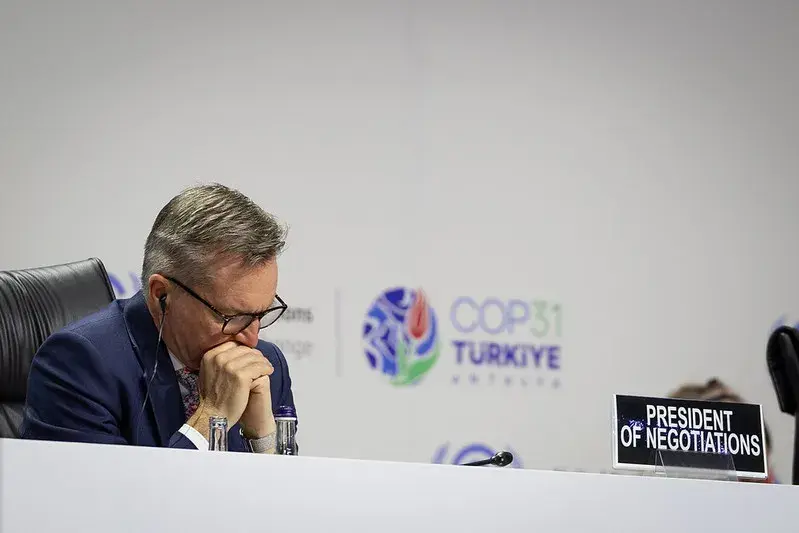
COP31 Missed Target Leaves Tourism Resilience Efforts Without a Clear Roadmap
Resilience Without a Treaty: How Destinations Adapt
COP31 concluded without a binding global agreement on climate resilience. This gap leaves tourism destinations without a unified political framework. Local operators still act, but they lack the long-term investment signal a formal treaty would provide.
Latest news
 Atlas Ocean Voyages Lets Guests Choose Hull Color for New Sailing Yacht
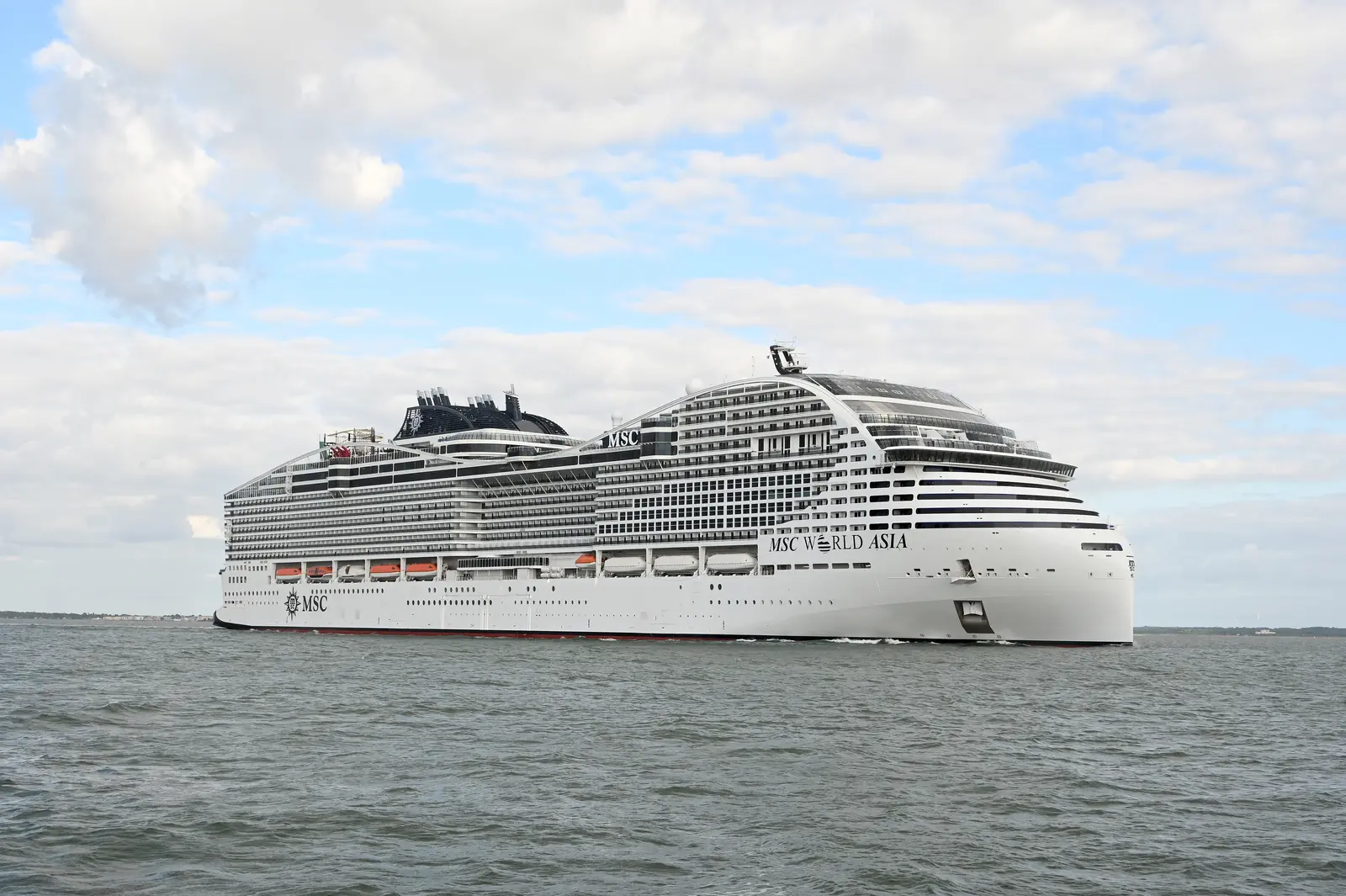 MSC World Asia Sets Sail as One of the World's Largest Cruise Ships
 American Airlines Issues Travel Alert For Miami Airport Amid FAA Ground Stop Advisory
 American Airlines Extends Rebooking Options Amid Thanksgiving Storms
The absence of a COP31 deal means destinations must forge their own climate adaptation paths. Without a guiding goal, political backstops for resilience funding weaken. Tourism boards face uncertainty in planning infrastructure upgrades and conservation projects.
Tourism regions can still implement climate actions independently. Coastal resorts install sea walls. Mountain towns diversify seasons to reduce weather risk. These on-the-ground measures continue regardless of global negotiations.
What Does This Mean for Long-Term Tourism Planning
However, without a treaty, securing consistent public and private funding becomes harder. Investors look for policy certainty before committing capital to long-term adaptation projects. The missing COP31 deal removes that certainty.
The lack of a COP31 agreement creates a planning vacuum. Destination managers must now rely on national and regional policies instead of a global standard. This shifts the burden of climate adaptation onto local governments and industry groups.
Destinations that proactively build resilience will retain competitive advantages. Those waiting for a global deal risk falling behind. The tourism sector must now lead where global policy has not yet arrived.
Frequently Asked Questions
Will tourism destinations still invest in climate resilience without a COP31 deal? Yes, but funding and political support become less predictable. Local and national initiatives fill the gap left by the missing global agreement.
How does the absence of a COP31 deal affect tourism investment decisions? Investors prefer stable policy environments. Without a global treaty, capital flows to destinations with clear national climate strategies.
Can individual tourism operators drive resilience without a global framework? They can, but coordination across borders becomes more difficult. Industry coalitions and public-private partnerships become essential.