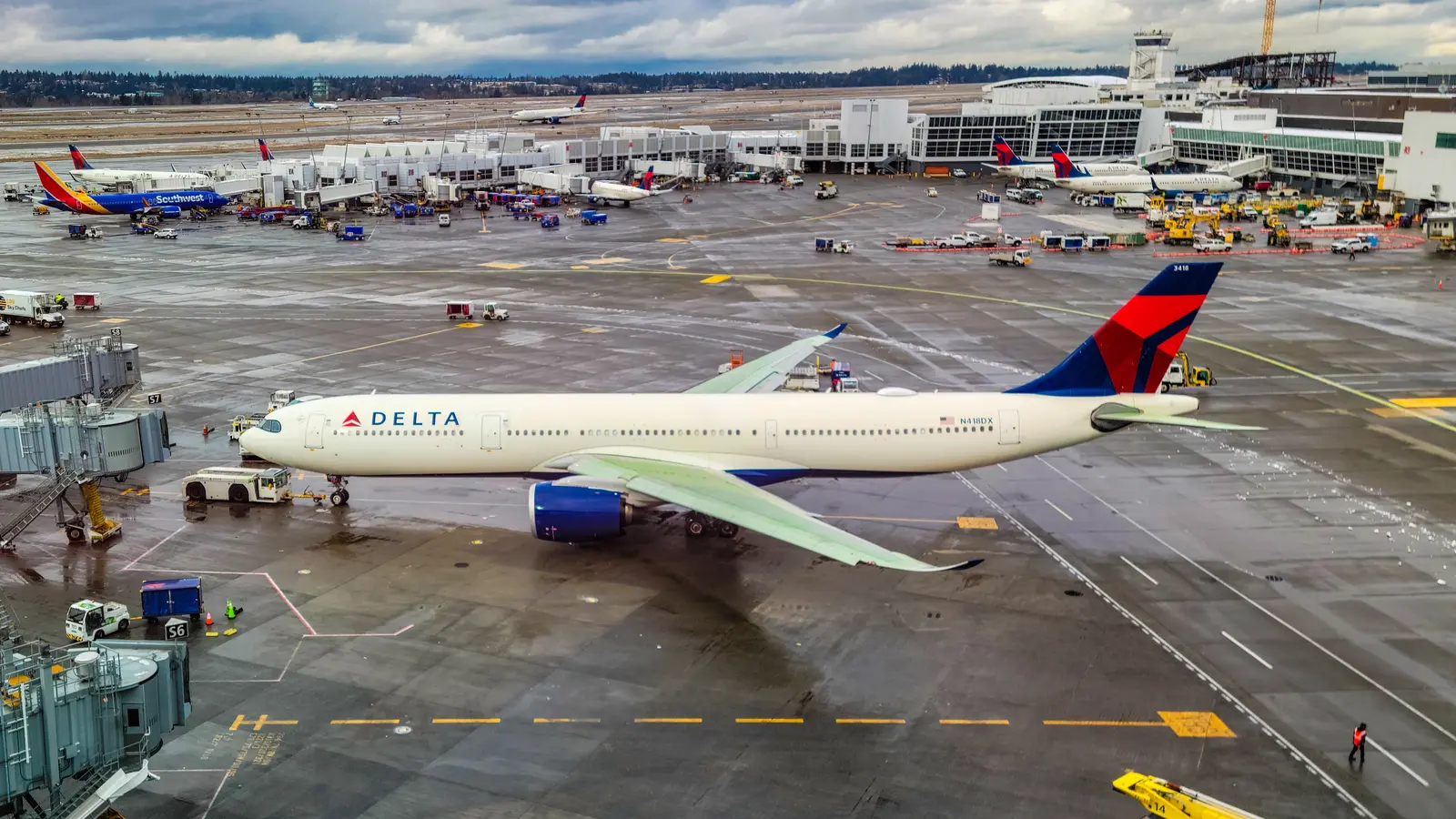
Delta Air Lines pulls back from key transcontinental routes
Strategic Retreat From Competitor Hubs
Delta Air Lines is executing a quiet but significant network adjustment. The carrier has begun canceling major transcontinental flights that previously served American Airlines' core territory. This strategic shift involves reallocating capacity across several major U. S. hubs. The changes aim to streamline operations and improve efficiency. Delta is focusing its resources on higher-yield domestic markets. This move signals a competitive tightening between the two major carriers. Passengers may notice fewer nonstop options on specific long-haul paths. The airline is prioritizing profitability over sheer route coverage. These adjustments reflect broader industry trends toward network optimization.
Latest news
 Laguna Beach Unveils 25 Must‑Try Experiences for Visitors and Locals Alike
 Oman Proves Ideal For Independent Road Trips
 Five Unique Ways to Explore Paris with Tauck Travel Experiences
 Santa Ana Travel Guide: 10 Best Things to Do & 4-Day Itinerary
The primary target of this reduction is the West Coast corridor. Delta is trimming service on routes that directly compete with American Airlines' strongholds. By pulling back, Delta reduces head-to-head competition in specific city pairs. This allows the airline to concentrate its fleet on its own dominant hubs. The strategy involves shifting aircraft from less profitable transcontinental legs. Instead, these planes now serve high-demand domestic sectors. This reallocation helps maintain load factors on remaining flights. It also frees up resources for other growth areas. The decision underscores a focus on operational discipline. Delta aims to protect margins while facing rising fuel costs. This tactical retreat is part of a larger financial planning cycle.
Why Is Delta Shifting Capacity Now?
Financial pressures are driving this immediate network change. Delta seeks to maximize revenue per seat on its remaining routes. By reducing overlap with American Airlines, Delta can command better pricing power. The airline is responding to shifting passenger demand patterns. Business travel recovery has not been uniform across all regions. Delta is betting on stronger demand within its established loyalty base. This approach minimizes risk during periods of economic uncertainty. The carrier is also managing its fleet aging process. Newer aircraft are being deployed on priority routes. Older planes are being retired or reassigned. This ensures a smoother customer experience on key segments. The timing aligns with seasonal travel peaks.
The long-term outlook suggests a more consolidated market structure. As Delta tightens its network, American Airlines may gain temporary ground. However, Delta’s scale remains a significant barrier to entry. Passengers should expect stable service levels on retained routes. New travelers might find fewer direct options for certain cross-country trips. Connecting flights through major hubs will become more common. This shift could influence future airport infrastructure investments. Delta’s focus on efficiency sets a precedent for other carriers. The industry continues to balance growth with cost control. Travelers should monitor schedules closely for upcoming changes.
Will my existing ticket be affected by these cancellations? Most pre-purchased tickets remain valid, though some may be rebooked onto connecting flights. Delta typically notifies passengers of significant schedule changes via email or app alerts.
Frequently Asked Questions
Are new routes being added to replace the canceled ones? Delta is primarily reallocating existing capacity rather than launching entirely new destinations. The focus is on strengthening current high-performing domestic corridors.
How does this impact frequent flyer status? Frequent flyers may see slight changes in qualifying miles if their preferred direct flights are removed. The overall program benefits remain largely unchanged for elite members.
Content written by Aaron Bailey for travel-good.com editorial team, AI-assisted.