
Delta Flight 2531 Forced to Declare Emergency After Passenger Disturbance
How Emergency Declarations Enable Rapid EMS Response
A Delta Air Lines flight from Tampa to New York’s LaGuardia Airport declared an emergency on Tuesday after two passengers became disruptive. The incident occurred at 2:15 p.m. local time, prompting the pilot to request assistance from a Delta supervisor. The supervisor advised that an emergency declaration was necessary to secure emergency medical services (EMS) for the affected passengers.
Latest news
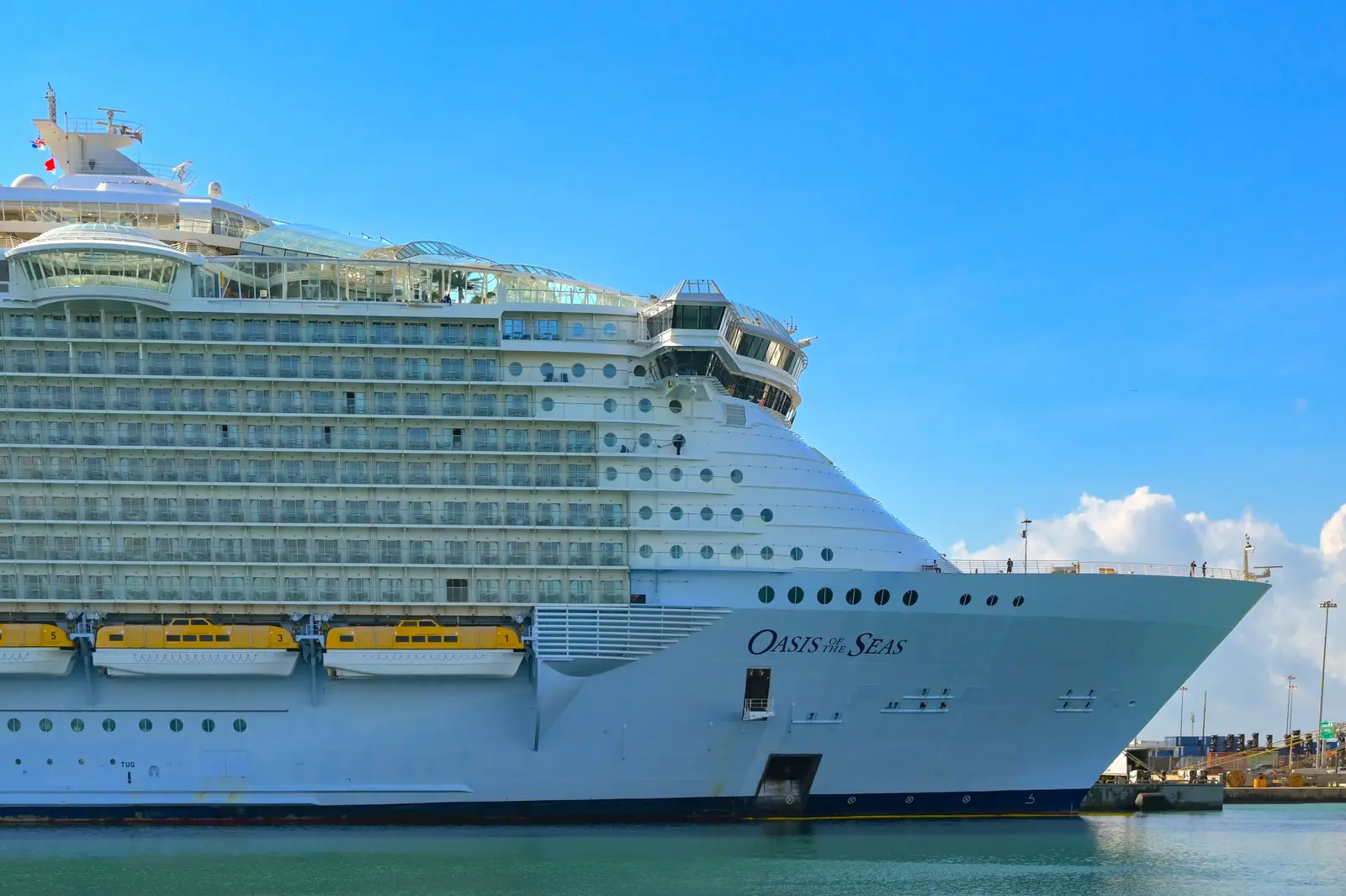 Royal Caribbean Cruise Diverts From Bahamas To Canada Amid Weather Concerns
 Chapel of Expiation: A Silent Witness to France’s Revolution
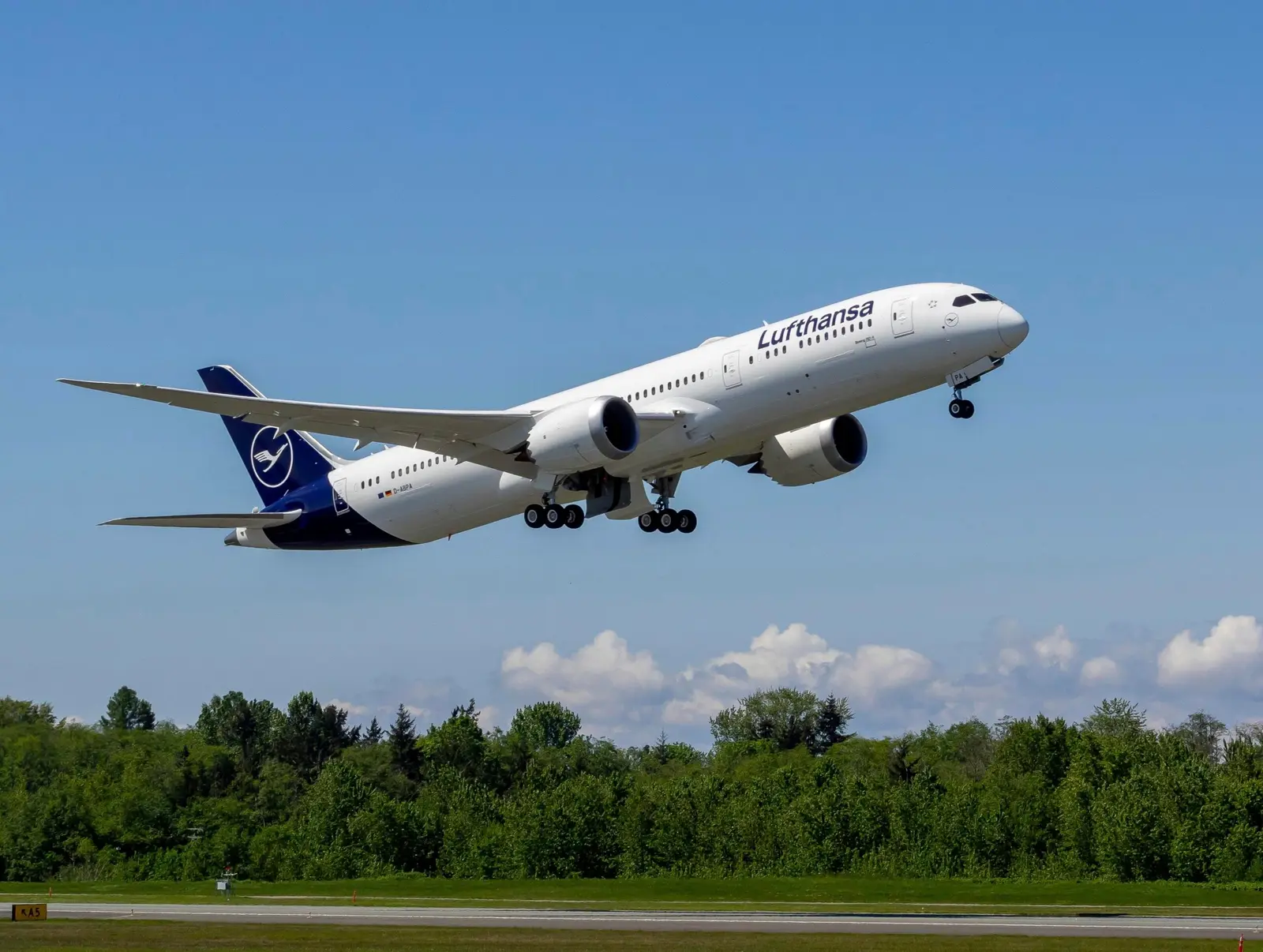 Lufthansa to Launch Columbus‑Frankfurt Direct Flights in 2027
 The Vibrant Pulse of Salvador: A City That Feels Like Home
The flight, designated 2531, was scheduled to depart Tampa International Airport (TPA) at 1:45 p.m. and arrive at LaGuardia at 3:30 p.m. Mid‑flight, a passenger began shouting profanity and threatening other travelers. A second passenger joined the disturbance, creating a hostile environment for the crew and other passengers. The pilot attempted to contact Delta’s ground operations for help, but the response indicated that without an official emergency declaration, EMS could not be dispatched to the aircraft.
What Happens When a Flight Declares an Emergency? – A Quick Guide
Delta’s internal protocols require that any crew member who feels a situation poses a risk to safety must declare an emergency. This action triggers a chain of support, including medical teams, law enforcement, and ground personnel. In this case, the crew complied, and the flight was diverted to a nearby airport for the passengers to receive medical attention and for the crew to manage the situation.
When a flight declares an emergency, the airline’s operations center automatically activates a pre‑established emergency response plan. This plan coordinates with local emergency services, ensuring that medical teams are dispatched immediately. The pilot’s decision to declare the emergency allowed the crew to receive a medical kit and a trained EMT on board, who then provided care to the agitated passengers. The incident underscores the importance of clear communication between flight crews and ground operations, especially when passenger behavior escalates.
Delta’s spokesperson confirmed that the flight was diverted to a smaller regional airport, where the EMTs could safely escort the passengers to a hospital. The crew reported that the situation was contained without any injuries to other passengers or crew members. The airline has reiterated its commitment to passenger safety and its adherence to FAA regulations regarding in‑flight emergencies.
What Are the Legal Implications for Disruptive Passengers?
When a flight declares an emergency, several steps follow:
1. The pilot announces the emergency to air traffic control and the airline’s operations center. 2. The airline’s emergency response team is activated, notifying local EMS and law enforcement. 3. The flight may be diverted to the nearest suitable airport for passenger treatment or to a location where the crew can safely land. 4. After the situation is resolved, the flight resumes its original route, or the airline arranges for a replacement aircraft if necessary.
Consequences and Outlook
These procedures are designed to protect passengers and crew while minimizing disruption to other flights. The FAA requires airlines to train pilots and cabin crew on how to handle such emergencies, including the use of in‑flight medical equipment and coordination with ground services.
Disruptive behavior on an aircraft can lead to criminal charges under the Transportation Security Administration (TSA) regulations. Passengers who threaten violence, use profanity, or refuse to comply with crew instructions may face arrest, fines, and travel bans. In this incident, the airline has stated that it will cooperate with law enforcement to identify the passengers involved. The legal process will determine whether the passengers will be prosecuted for disorderly conduct or other related offenses.
The incident also highlights the airline’s duty of care. By declaring an emergency, Delta ensured that medical assistance was available, potentially preventing a more serious incident. Airlines may face civil liability if passengers suffer harm due to inadequate response to disruptive behavior. The prompt declaration in this case likely mitigated such risks.
Frequently Asked Questions
The flight was diverted to a nearby airport, where the passengers received medical care and were later transported to a local hospital. No injuries were reported among other passengers or crew. Delta has issued a statement reassuring travelers that it follows strict safety protocols and will continue to monitor passenger behavior closely.
The incident may prompt airlines to review their in‑flight emergency procedures, especially regarding passenger disturbances. It also serves as a reminder to passengers that disruptive behavior can have serious legal and safety consequences. As air travel resumes post‑pandemic, airlines are likely to enhance training for crews to handle such situations swiftly and effectively.
Content written by Ethan Cotler for travel-good.com editorial team, AI-assisted.