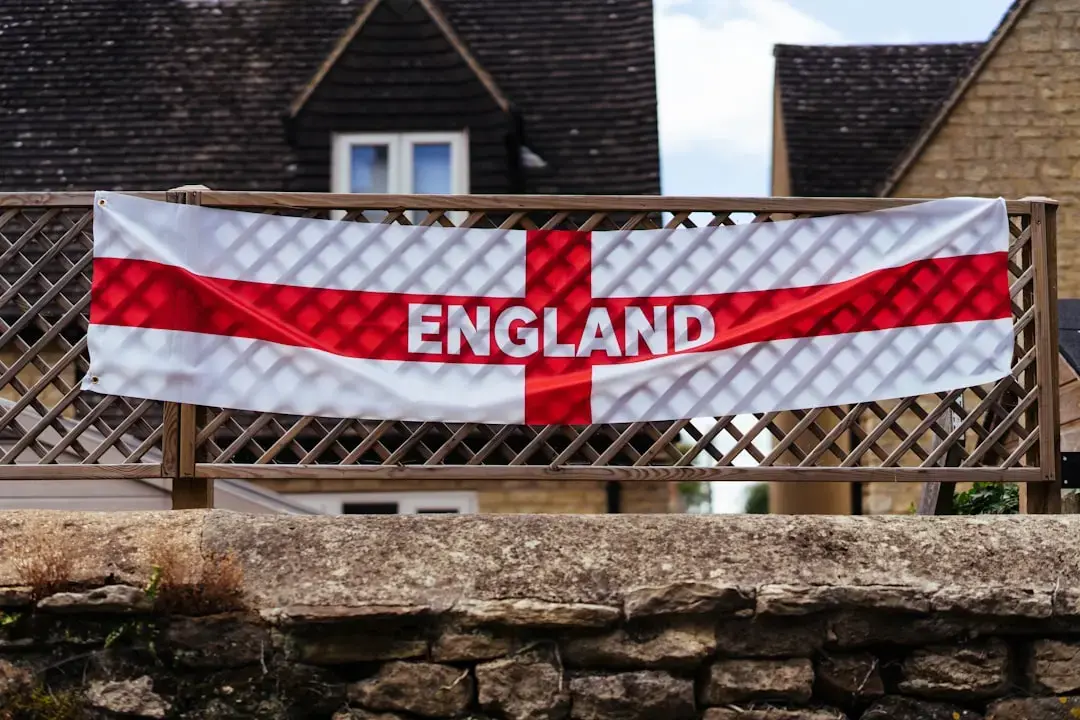
England’s mayors gain new powers to introduce tourist taxes
How Will the Tax Be Applied and Collected?
Local leaders in England will soon be able to implement visitor levies on overnight stays, following a government decision to boost their authority. The move, announced in September 2026, allows mayors and combined authorities to design and collect tourism taxes similar to those in cities like Barcelona or Amsterdam. The policy aims to fund local infrastructure and manage the pressures of rising visitor numbers. Accommodation providers, however, have expressed concern that extra costs could deter tourists and harm small businesses reliant on seasonal trade.
Latest news
 Santa Ana Travel Guide: 10 Best Things to Do & 4-Day Itinerary
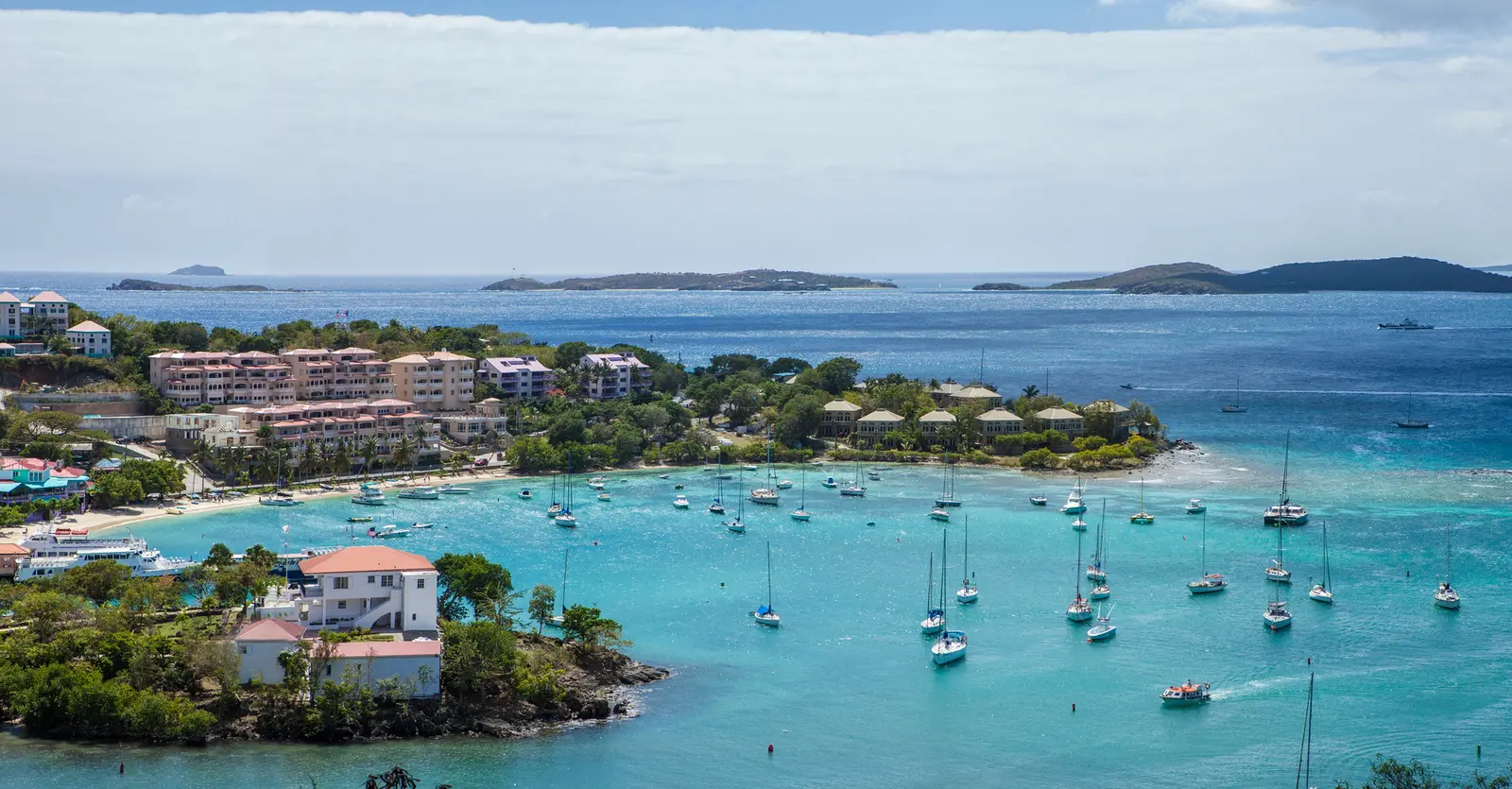 Glorious American Getaways That Seem Like Far‑Off Lands
 Best Credit Cards for Rental Car Elite Status
 Where to Eat, Stay, and Play in Medellín, Colombia's Eternally Cool City
The new powers come amid growing debate over sustainable tourism in popular destinations. Cities such as Bath, York, and Lake District towns have seen visitor numbers surge in recent years, straining transport, waste services, and housing. Proponents argue that a modest levy—potentially £1 to £5 per night—could generate millions for community projects like park maintenance or public transport upgrades. Critics warn that without national guidelines, inconsistent rates across regions might confuse travelers and create unfair advantages for areas without the tax.
Could This Affect Travelers’ Choices?
The visitor levy will apply to paid overnight accommodations, including hotels, B&Bs, and short-term rentals like Airbnb. Collection will likely be handled by booking platforms or accommodation providers, who will remit funds to local authorities. Mayors will have discretion over exemptions, such as for medical stays or long-term residents, and can adjust rates based on seasonality. Pilot schemes are expected to begin in early 2027, with evaluations planned after 18 months to assess impact on tourism volumes and revenue.
Travel industry analysts suggest that while most visitors may accept a small fee, price-sensitive tourists might opt for destinations without the levy or shorten their stays. A 2025 survey by VisitBritain showed that 38% of overseas travelers would reconsider visiting a UK city if accommodation costs rose by more than 10%. Local business groups are calling for clear communication and phased implementation to avoid sudden shocks to the market. They also urge authorities to reinvest revenues visibly in visitor-facing improvements to maintain public support.
Will the tourist tax apply to day visitors? No, the levy is designed for overnight stays only. Day trippers will not be charged under the current framework.
Frequently Asked Questions
Can local authorities set different tax rates? Yes, each mayor or combined authority can determine the rate within government-set limits, allowing flexibility based on local needs and tourism levels.
Will the revenue stay within the local area? Yes, funds collected must be used for local services and infrastructure related to tourism management, such as cleaning public spaces or improving transport links.
Content written by Sophie Chen for travel-good.com editorial team, AI-assisted.