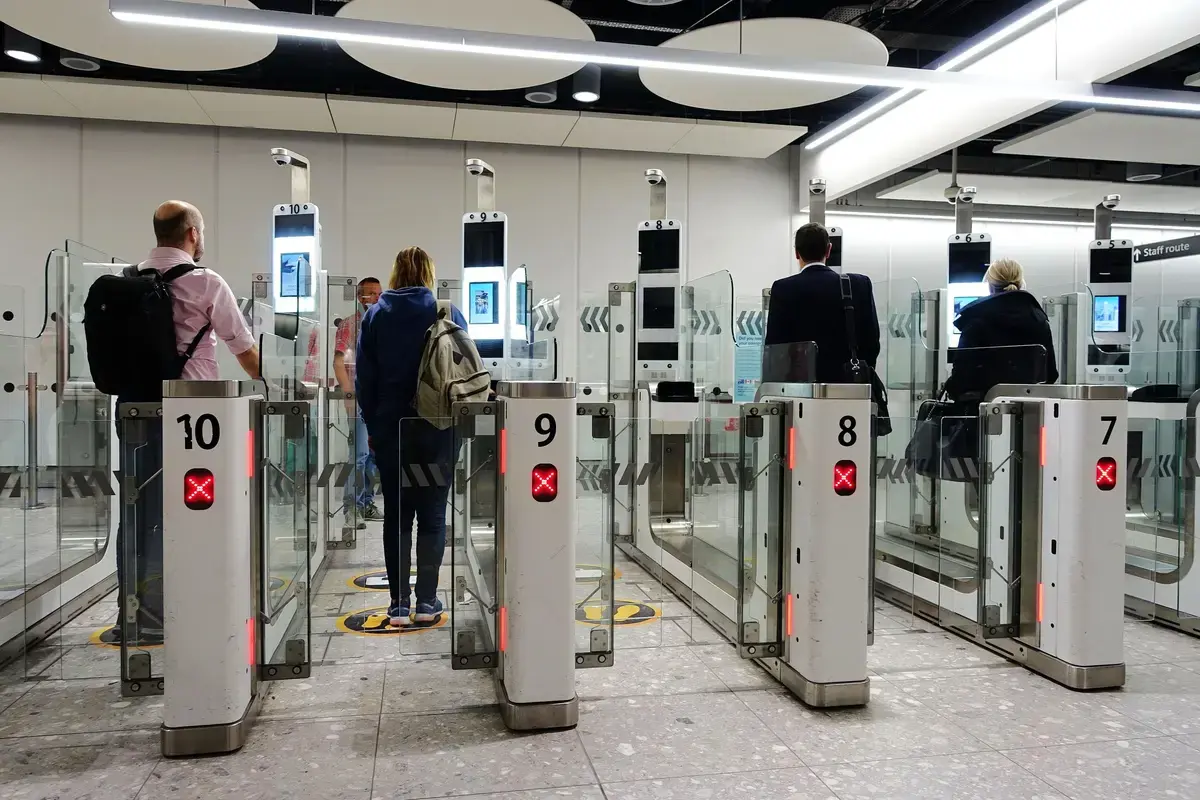
Facial Recognition Fuels Airport Confrontation
Biometric Data: To Scan or Not to Scan?
A tense encounter at a US airport has raised concerns about the use of facial recognition technology in air travel. The incident involved a Delta Air Lines passenger who attempted to opt out of a facial scan. This happened recently at a major US airport.
Latest news
 Exploring the Untamed Beauty of Northern Louisiana
 Beyond the Capital: British Tourism Chiefs Target Indian Visitors
 19 Unique Things to Do in Cape May, NJ
 A Local Says to Visit These 29 Farms in Puerto Rico
The passenger's decision sparked a heated exchange with airline staff, highlighting the growing unease among travelers about biometric data collection. As airports increasingly adopt facial recognition technology to speed up processing, some passengers are questioning their right to opt out. The use of facial recognition is becoming more widespread, with many airports installing automated e-gates.
Delta Air Lines, like many other airlines, uses facial recognition to verify passenger identities. While some travelers appreciate the convenience, others are worried about their personal data being stored and potentially misused. The US Customs and Border Protection agency claims that facial recognition technology is secure and effective.
Is Opting Out a Viable Option?
The Delta passenger's confrontation at the gate has sparked a debate about the need for clearer opt-out procedures. Currently, passengers can choose to have their identity verified manually, but this can be a slower process. Airports and airlines argue that facial recognition is a more efficient and secure way to process travelers.
The incident is likely to fuel ongoing discussions about the balance between convenience, security, and individual privacy. As the use of facial recognition technology continues to expand, airports and airlines will need to address passenger concerns.
Frequently Asked Questions
Can I opt out of facial recognition when flying? Yes, but the process may be slower. You can have your identity verified manually. This may involve showing your passport or ID to an officer.
What happens to my biometric data when I use facial recognition? It is stored securely, according to the US Customs and Border Protection agency. The data is used to verify your identity.
Are there any laws regulating facial recognition in airports? There are guidelines, but regulations vary. The use of facial recognition is subject to ongoing debate and review.
Content written by Amelia Stone for travel-good.com editorial team, AI-assisted.