Helsinki Unveils Scenic Tram Routes Connecting City Center to Laajasalo Island
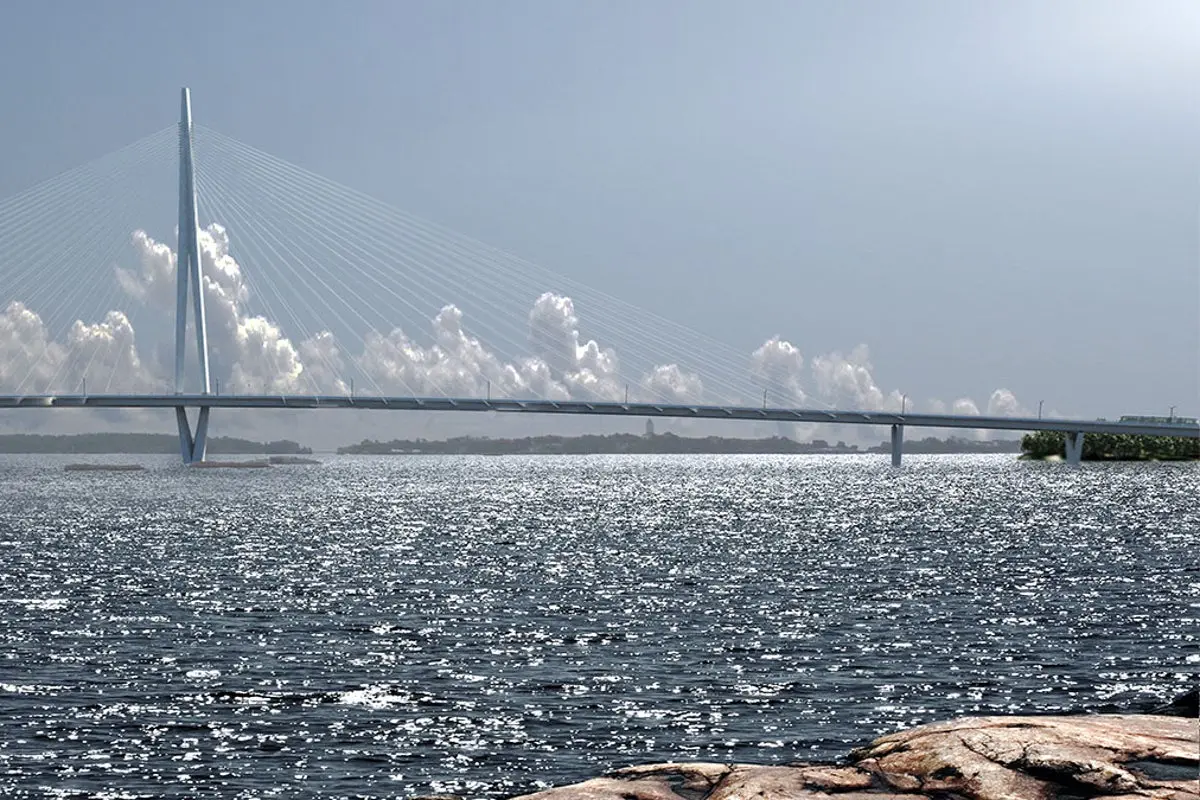
Crossing the Baltic on Car-Free Bridges
Helsinki, Finland, officially launched two new tram lines on November 7, linking the central Hakaniemi district with the Laajasalo island suburb. Routes 11 and 12 now provide residents with a faster, direct public transport option. This expansion marks a significant upgrade to the capital's public transit infrastructure. The new service aims to reduce congestion and improve accessibility for local commuters.
Latest news
 Atlas Ocean Voyages Lets Guests Choose Hull Color for New Sailing Yacht
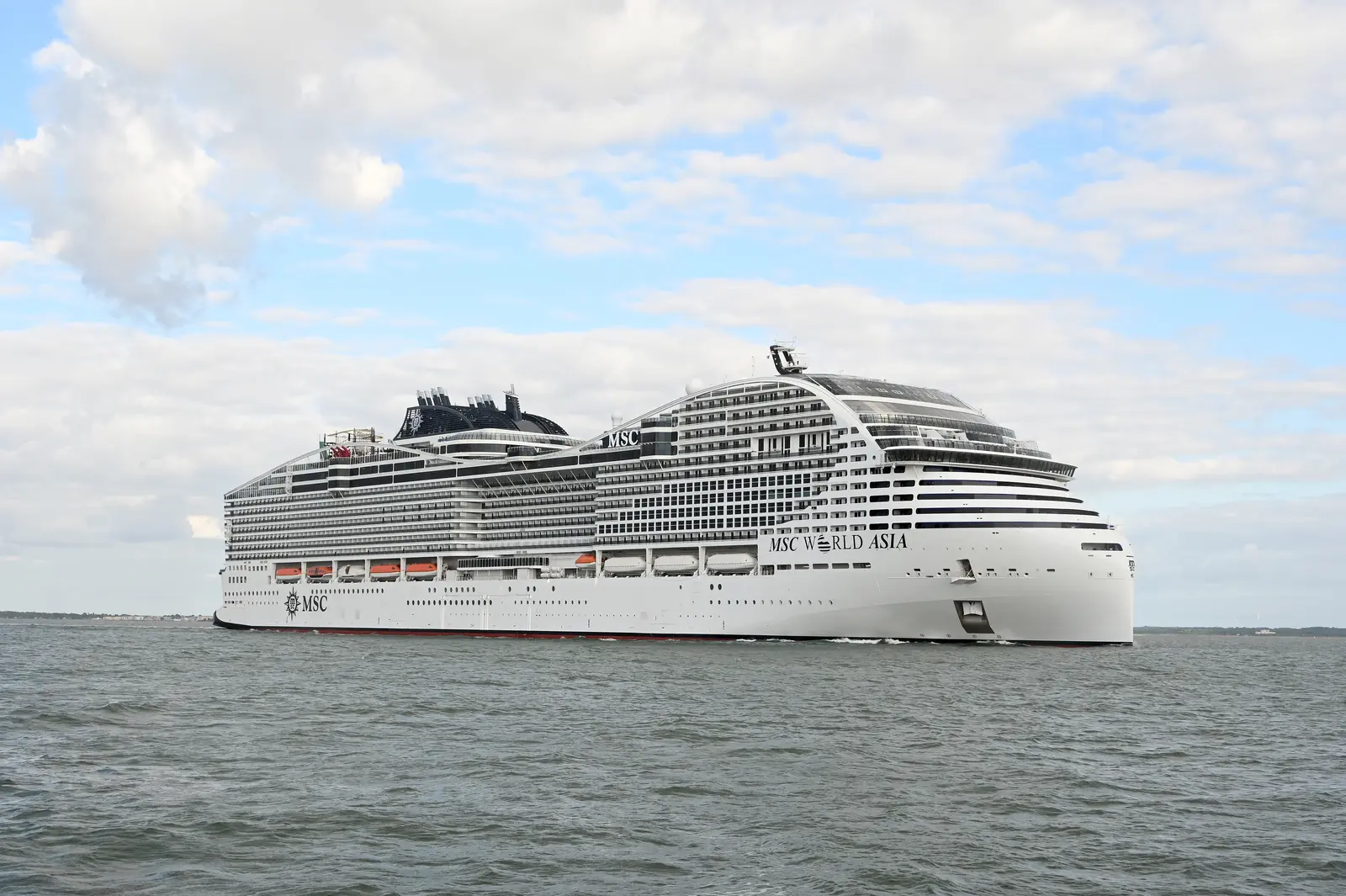 MSC World Asia Sets Sail as One of the World's Largest Cruise Ships
 American Airlines Issues Travel Alert For Miami Airport Amid FAA Ground Stop Advisory
 American Airlines Extends Rebooking Options Amid Thanksgiving Storms
The introduction of these lines represents a major milestone for the Helsinki public transportation authority, known as HSL. The project focused on creating a seamless connection between dense urban areas and residential islands. By prioritizing electric trams, the city continues its commitment to sustainable urban mobility. The new routes are designed to handle high passenger volumes efficiently. They also offer a more reliable alternative to private car travel.
The most striking feature of the new network is its infrastructure. The tram routes cross three newly constructed bridges over the Baltic Sea. These structures are strictly car-free, ensuring safety and tranquility for passengers. The design allows trams to glide smoothly across the water. This architectural choice emphasizes pedestrian and cyclist safety alongside public transit. The bridges serve as vital links in the metropolitan area's transport grid. They eliminate the need for lengthy detours through congested city streets.
How Does This Change Daily Commuting?
The HSL authority highlighted the visual appeal of the journey. Passengers enjoy unobstructed views of the sea and surrounding landscapes. The term world's most beautifulhas been applied to this specific network segment. Such scenic qualities are rare in standard urban transit systems. The integration of nature into daily commuting routines is a key selling point. It transforms a routine trip into a pleasant experience. This approach aligns with broader European trends in urban planning. Cities are increasingly designing transport systems that enhance quality of life.
For many Helsinki residents, the new trams offer a substantial time saving. The connection between Hakaniemi and Laajasalo is now faster than previous options. Commuters can avoid traffic jams that often plague road-based travel. The electric trams operate on a dedicated track, ensuring punctuality. This reliability is crucial for workers and students with fixed schedules. The service frequency is optimized to meet peak demand. It reduces the pressure on other parts of the transit network.
Frequently Asked Questions
The environmental impact is also positive. By shifting travelers from cars to trams, emissions decrease. The car-free bridges further reduce local pollution levels. This contributes to cleaner air in the surrounding neighborhoods. The project demonstrates how infrastructure can support climate goals. It sets a precedent for other coastal cities. Planners can replicate this model in their own regions. The success of Helsinki's initiative may inspire similar projects globally.
When did the new tram routes start operating? Routes 11 and 12 began service on November 7. They connect Hakaniemi in the city center with the Laajasalo island suburb. This launch marks the completion of a major infrastructure project.
Are the new bridges open to private vehicles? No, the three new bridges over the Baltic Sea are car-free. They are designed exclusively for trams, pedestrians, and cyclists. This ensures a safer and quieter environment for all users.