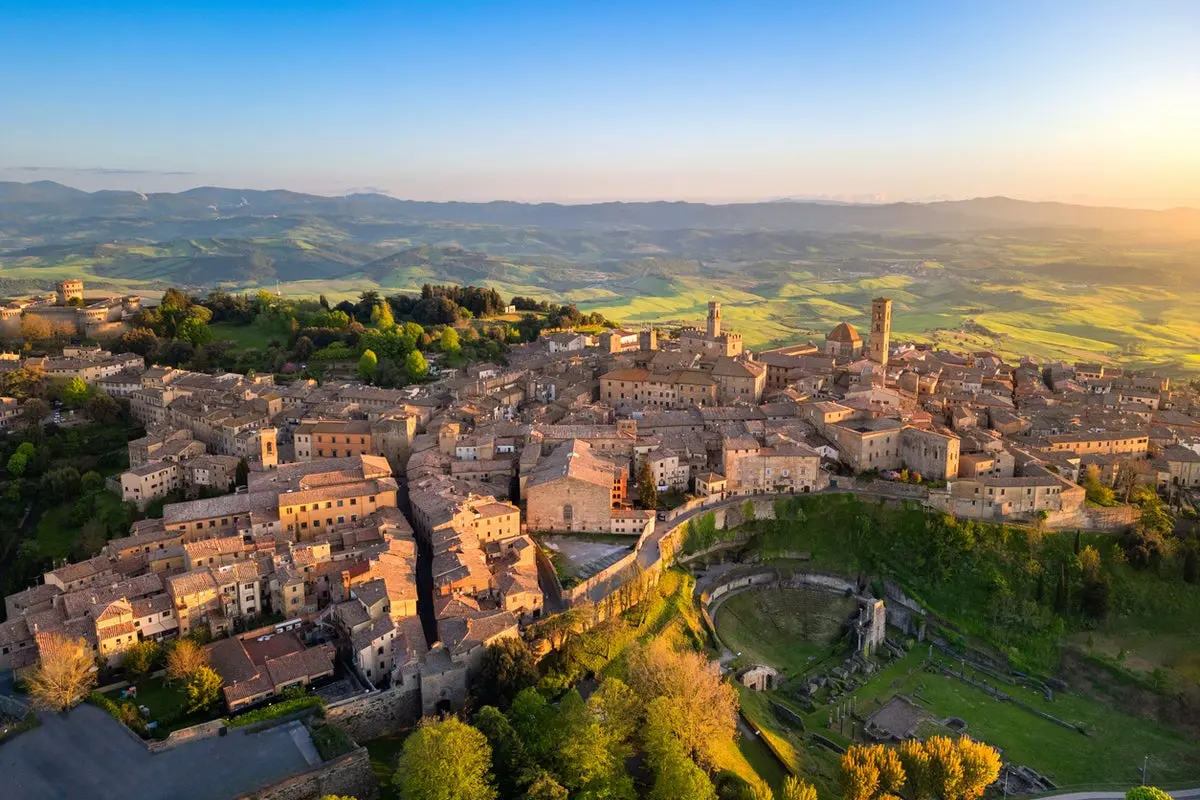
Hidden Gems of Tuscany: 10 Small Towns Worth Exploring
The Allure of Authenticity
In the rolling hills of Tuscany, a drive through medieval villages offers a glimpse of Italy’s historic charm. Between 2024 and 2026, tourism boards highlighted ten lesser‑known towns that combine preserved architecture, local cuisine, and authentic rural life.
Latest news
 Laguna Beach Unveils 25 Must‑Try Experiences for Visitors and Locals Alike
 Oman Proves Ideal For Independent Road Trips
 Five Unique Ways to Explore Paris with Tauck Travel Experiences
 Santa Ana Travel Guide: 10 Best Things to Do & 4-Day Itinerary
These villages, scattered across the Tuscan countryside, provide travelers with quiet streets, ancient churches, and a sense of community that big cities cannot match. Visitors can stroll through cobblestone lanes, sample regional wines, and meet artisans who have kept traditional crafts alive for centuries.
What makes these towns special is their untouched heritage. In the village of San Quirico, for instance, the 12th‑century cathedral still hosts weekly mass, and the surrounding olive groves produce oil that has been crafted using the same techniques for generations. Local guides explain how the layout of each town reflects medieval defensive needs, with narrow alleys and fortified walls that now serve as picturesque walkways.
Why These Towns Are Rising in Popularity
Tourists often remark that the pace here is slower, allowing them to savor local dishes such as ribollita and bistecca alla fiorentina without the bustle of tourist crowds. Many of these villages host seasonal festivals, celebrating everything from harvests to patron saints, giving visitors a chance to witness authentic cultural rituals.
The surge in interest stems from a growing desire for sustainable travel. Travelers seek destinations where their presence supports local economies rather than commercialized tourism. In towns like Montepulciano, small family‑run inns have expanded to accommodate guests while preserving the town’s historic character.
How to Experience a Tuscan Village
Moreover, digital nomads are drawn to these locales for their reliable internet and peaceful environments, turning villages into temporary work hubs. Local councils have responded by improving infrastructure, such as installing high‑speed Wi‑Fi in public squares, while maintaining strict zoning laws to protect architectural integrity.
Planning a visit involves a few simple steps. First, choose a town that aligns with your interests—whether it’s art, gastronomy, or history. Next, book accommodation through local guesthouses, many of which offer guided tours of hidden sites. Finally, engage with residents: a conversation over coffee can reveal stories about the town’s past and upcoming events that are not listed in travel guides.
Travelers often find that the best memories come from spontaneous interactions, such as attending a local market or joining a cooking class that teaches the secrets of Tuscan pesto.
What Happens When the Tourist Season Peaks?
As the summer months approach, these villages experience a noticeable influx of visitors. While this boosts local businesses, it also strains resources like water supply and waste management. In response, several towns have implemented visitor caps during peak times and promoted off‑season travel to balance economic benefits with sustainability.
Looking ahead, regional authorities plan to expand cultural heritage programs, ensuring that future generations can continue to enjoy these historic towns.
Frequently Asked Questions
Q1: Are these villages easily accessible by public transport? A1: Most towns are reachable by regional buses, but some are best accessed by car. Parking is limited in historic centers, so arriving early is advisable.
Q2: What is the best time of year to visit? A2: Late spring and early autumn offer mild weather and fewer crowds, making it ideal for exploring without the summer rush.
Q3: Can I stay in a farmhouse near these towns? A3: Yes, many agriturismi provide accommodation and farm experiences, allowing visitors to taste fresh produce straight from the source.
Content written by Chris Wilson and Amelia Neath for travel-good.com editorial team, AI-assisted.